






Our Cities Have Forgotten How to Cool Down
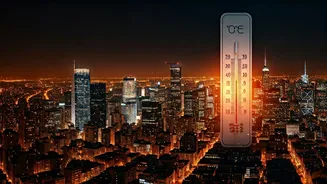
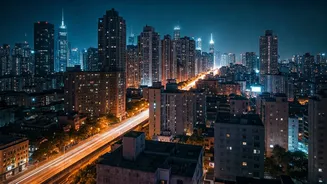
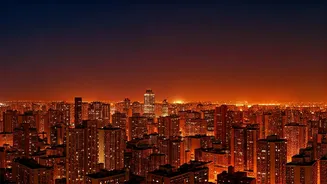
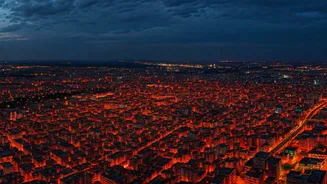
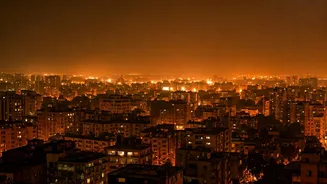
While daytime heatwaves grab headlines, a more insidious threat is emerging after sunset. Night-time temperatures in major Indian cities are rising faster than day-time temperatures, turning homes into heat traps with no overnight relief. Normally, cooler
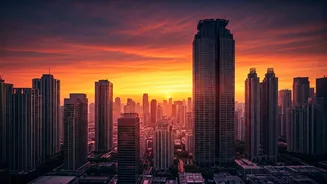
nights allow the human body to recover from the heat stress accumulated during the day. But when the mercury stays high, as it increasingly does in cities like Delhi, Mumbai, and Chennai, the body remains under constant physiological strain. Research shows that urbanisation is responsible for about 60% of this warming trend, with Indian cities warming nearly twice as fast at night compared to surrounding rural areas. This phenomenon, where concrete and asphalt absorb heat all day and radiate it back all night, is known as the Urban Heat Island (UHI) effect.
The Concrete Jungle's Fever
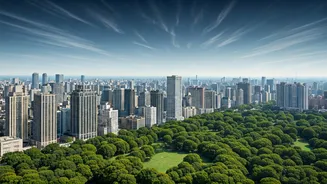
The root of the night heat crisis lies in how our cities are built. Dense clusters of concrete buildings, asphalt roads, and metal structures absorb and store immense amounts of solar radiation. Compounding this is the loss of natural cooling elements like green spaces and water bodies, which are often the first casualties of rapid urban expansion. In Delhi, for example, the temperature difference between dense urban cores and greener areas can be as much as 4-6°C. Add to this the waste heat constantly pumped out by millions of air conditioners and vehicles, and you have a recipe for a city that simply cannot exhale the day's heat. The very machines we use to cool our individual spaces are collectively helping to cook the city outside.
A Crisis of Health and Inequality
The consequences of relentlessly warm nights are severe. Doctors report a rise in cases of dehydration, heat stroke, and cardiovascular and kidney problems, as the body is deprived of its crucial recovery period. Studies have shown a strong correlation between high night-time temperatures and increased daily mortality rates. This crisis is also deeply unequal. The wealthy can retreat into air-conditioned bubbles, but their cooling systems expel hot air, worsening conditions for those outside. For the millions living in low-income housing—often poorly ventilated structures made of heat-trapping materials like tin and concrete—there is no escape. Studies in Chennai's low-income homes found indoor night temperatures frequently staying above 32°C, creating sauna-like conditions that disrupt sleep and worsen health.
Can We Reclaim the Night?
Addressing the night heat crisis requires a fundamental rethinking of urban planning. Experts point to a range of 'nature-based solutions' and policy changes that can help cities cool down. Initiatives like 'cool roofs', which use reflective paint or materials to reduce heat absorption, have been shown to lower indoor temperatures significantly. Expanding urban greenery by planting trees, creating parks, and protecting wetlands provides shade and natural cooling through evapotranspiration. Cities like Mumbai and Ahmedabad have begun incorporating these strategies into their climate action plans, aiming to increase vegetation cover and restore water bodies. These plans also need to be updated to specifically recognise and issue warnings for night-time heat, a danger that most current Heat Action Plans overlook.