
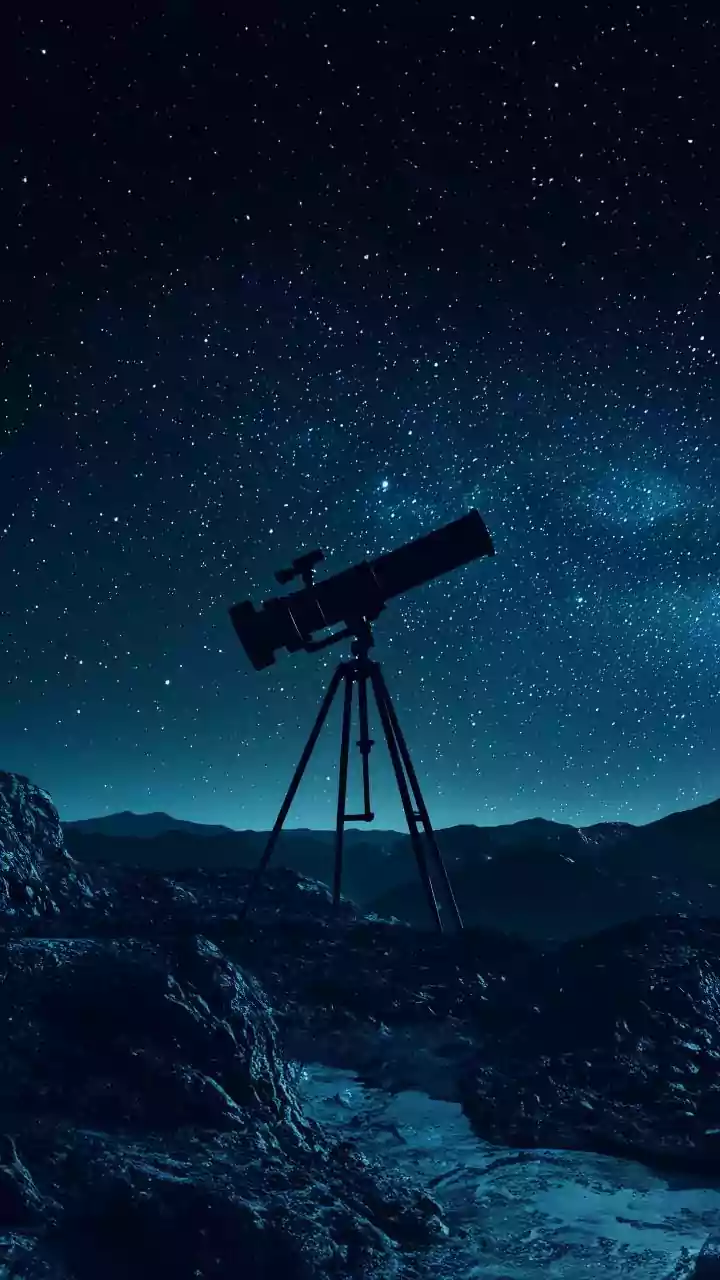




The Challenge of Urban Skies
The biggest obstacle for any city-based stargazer is light pollution. The collective glow from streetlights, buildings, and cars creates a bright haze that washes out all but the most brilliant celestial objects. This makes it nearly impossible to spot
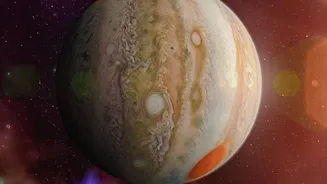
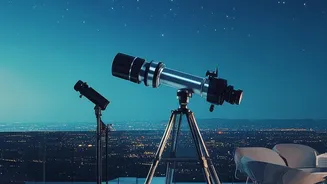
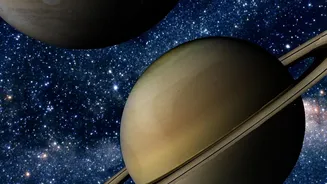
faint stars, constellations, or distant galaxies with the naked eye. While planets like Jupiter and Saturn are bright, finding them in a crowded, hazy sky can still be a challenge. Add to that the limited viewing angles from balconies and rooftops, and it’s easy to see why many urbanites feel disconnected from the night sky.
Your Phone as a Pocket Planetarium
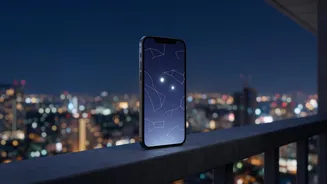
This is where technology comes to the rescue. Modern smartphone apps can instantly transform your device into a powerful stargazing tool. These apps use your phone's built-in GPS and compass to know your exact location and the direction you're pointing it. By doing so, they can generate an accurate, real-time map of the sky above you, identifying what you're looking at in seconds. Even on a cloudy night or during the day, you can use these apps to see what celestial wonders are hidden from view.
Key Features That Light the Way
The most effective stargazing apps share several game-changing features. The most popular is the Augmented Reality (AR) view, which overlays star charts directly onto your camera's live feed. You simply point your phone at a bright dot in the sky, and the app will tell you if it's Jupiter, a distant star, or even the International Space Station (ISS). Many apps also include a 'time travel' feature, allowing you to see how the sky will look hours, days, or even years in the future, which is perfect for planning. Another crucial feature is a red-light 'night mode,' which preserves your night vision while you use the app in the dark.
Top Apps for Indian Stargazers
Several excellent apps are available for both Android and iOS users in India, many offering great free versions. SkyView Lite is a popular choice for beginners, praised for its simple point-and-identify function and its ability to set reminders for celestial events. Star Walk 2 is another favourite, known for its beautiful graphics and detailed information on stars, constellations, and satellites. For those wanting a more comprehensive tool, Stellarium Mobile is a fantastic option that originated as a desktop program and offers a massive catalogue of stars and deep-sky objects. These apps work without an internet connection, making them perfect for any location.
Finding Jupiter, Saturn, and More
With an app in hand, spotting specific planets becomes incredibly simple. Open your chosen app and use its search function to look for 'Jupiter' or 'Saturn'. The app will then display an on-screen arrow for you to follow. As you move your phone across the sky, following the arrow, it will lead you directly to your target. Jupiter typically appears as a very bright, steady, star-like object, while Saturn is also bright but can have a slightly yellowish tint. You can also use the apps to identify famous constellations like Orion or Ursa Major and track the fast-moving dot of the ISS as it flies overhead.
Tips for Better Urban Viewing
While apps are powerful, a few practical steps can improve your experience. Try to find the darkest spot available to you, like a park, a rooftop, or even the shadow of a large building to block direct light. The highest point in the sky directly above you is usually the darkest part of the urban sky, so focus your attention there. Patience is also key; allow your eyes at least 15-20 minutes to adjust to the darkness, which will help you see fainter objects. Observing later at night, after 11 p.m. or even 1 a.m., can also make a difference as some city lights are turned off.