

The Allure of Smooth Soups
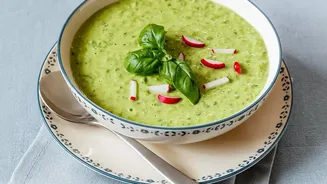
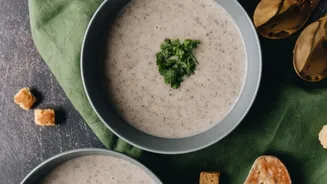
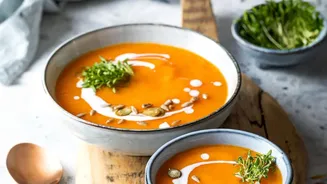
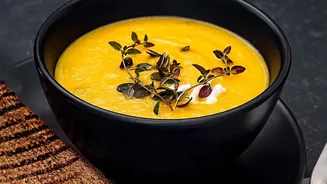
A smooth soup is elegant, comforting, and glides down effortlessly. It’s the perfect vehicle for transforming a surplus of vegetables into a luxurious meal. Think of classic tomato, butternut squash, or potato and leek soup. The primary technique involves
cooking vegetables until tender and then puréeing them with broth until silky. This method is fantastic for a few reasons. First, it’s quick. Since the ingredients will be blended, you don't need to worry about precise knife cuts. Second, it’s a great way to use up vegetables that are slightly past their prime. Finally, a smooth texture can be more appealing to picky eaters who might otherwise push aside whole vegetables. The key to a great smooth soup is developing flavour before you blend. Roasting vegetables like carrots, cauliflower, or squash beforehand can add a deep, caramelized sweetness that boiling alone won't achieve.
Achieving the Perfect Creaminess
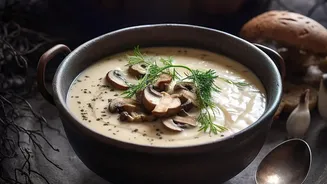
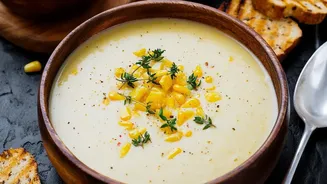
A common misconception is that creamy soups require a lot of heavy cream. While cream is a classic addition, there are many healthier ways to achieve that velvety texture. One popular technique is to add a starchy vegetable, like a potato, to your soup base; once cooked and blended, it will naturally thicken the entire pot. Another method is to blend in a handful of soaked raw cashews or a spoonful of tahini, which adds richness and body. For a dairy-free option that also boosts protein, silken tofu can be blended into the soup, creating a creamy consistency without altering the flavour significantly. You can also partially blend the soup, leaving some texture while making the base creamier. This half-and-half technique works wonders for soups like corn chowder, where you want both a creamy base and the texture of whole kernels.
The Case for Hearty, Chunky Soups
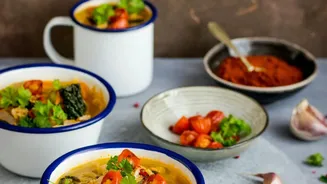
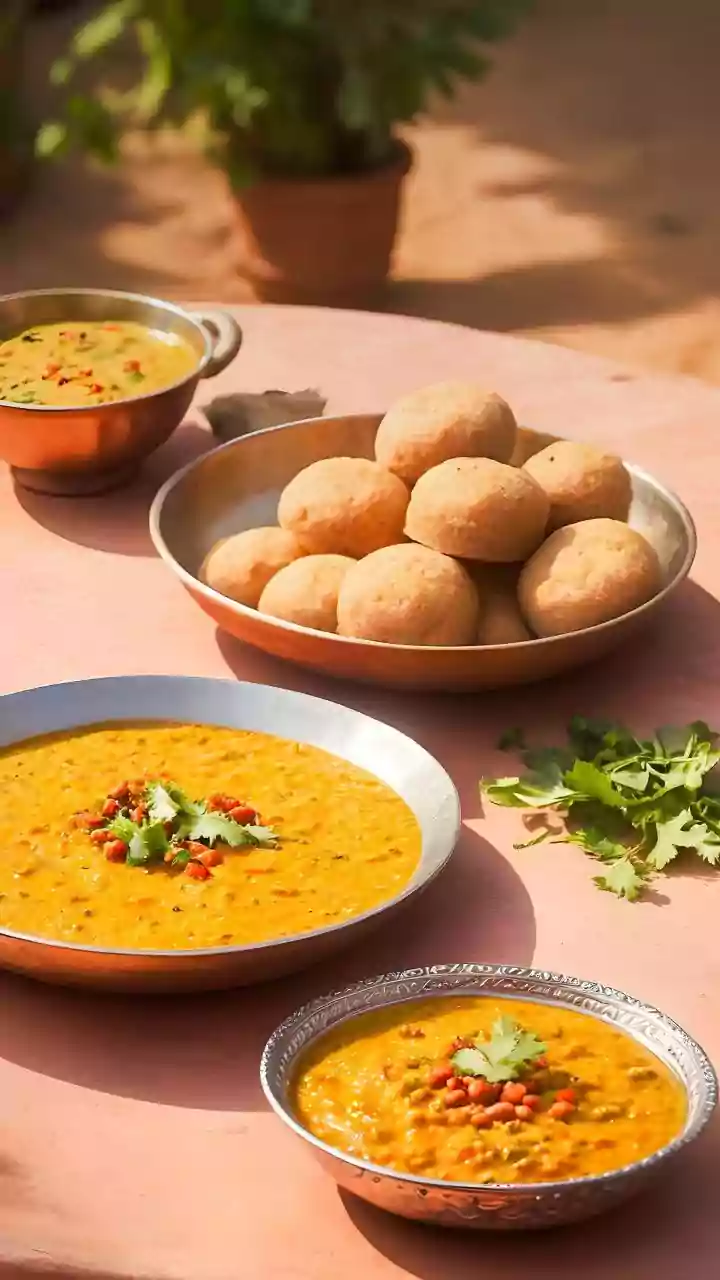
Chunky soups feel more like a substantial stew, offering a satisfying chew with every bite. These are the rustic, one-pot meals packed with distinct pieces of vegetables, proteins, and grains. Minestrone, chicken noodle, and beef barley are all stars of the chunky soup world. The beauty of a chunky soup is the interplay of textures and flavours. Each spoonful can be a different experience. They are inherently filling, often serving as a complete meal on their own. To make a chunky soup truly satisfying, it’s important to build layers of flavour. Start by sautéing aromatic vegetables like onions, carrots, and celery. Adding proteins like chicken, beef, or beans, and grains such as barley or pasta, will make the soup more robust and keep you feeling full longer.
Building a Better Chunky Soup
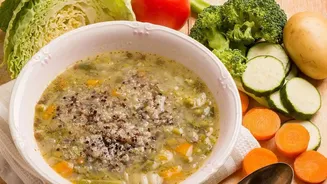
Making a great chunky soup is all about ingredient choice and cooking time. Cut your vegetables into uniform, bite-sized pieces for even cooking and a pleasant eating experience. Don't overcook them; you want the vegetables to be tender but not mushy. To make your soup more filling, add whole grains like barley, quinoa, or rice. These will absorb the flavourful broth and add wonderful texture. Lentils and beans are also excellent additions for protein and fibre. If your broth feels a little thin, you don’t need to add a traditional thickener. Simply simmering the soup with the lid off for a while will allow some of the liquid to evaporate, concentrating the flavour and thickening the base naturally. Another trick is to mash some of the cooked beans or potatoes directly in the pot to add body.
The Right Tools for the Job
You don’t need a kitchen full of gadgets for either type of soup, but a few key tools make the process much easier. For smooth soups, an immersion blender is a game-changer. It allows you to purée the soup directly in the pot, saving you from the messy task of transferring hot liquid to a traditional blender. If you use a countertop blender, be sure to let the soup cool slightly and blend in batches, leaving the lid's cap open to allow steam to escape. For chunky soups, the most important tool is a large, heavy-bottomed pot or Dutch oven. This ensures even heat distribution, which is crucial for sautéing your base ingredients and simmering everything without scorching the bottom.