


Football as National Identity
To understand the World Cup's hold on Brazil, you must first understand that football isn't just the nation's most popular sport; it’s a cornerstone of its identity. For much of the 20th century, as Brazil struggled to forge a cohesive national narrative
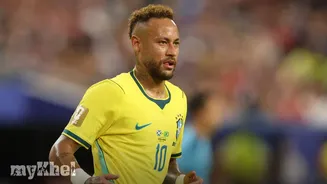
from its mix of European, African, and Indigenous peoples, football provided a powerful, unifying language. The national team, the *Seleção*, wearing their iconic canary yellow jerseys, became the ultimate symbol of a talented, vibrant, and successful Brazil on the world stage. When the team plays, it’s not just eleven men on a pitch; it’s the nation itself expressing its hopes, its flair, and its anxieties. Winning isn't just a sporting victory; it’s a validation of the Brazilian way of life.
A History of Glory and Trauma
Brazil's relationship with the World Cup is a dramatic saga written in moments of pure ecstasy and crushing heartbreak. The national trauma of losing the 1950 final to Uruguay on home soil in the Maracanã stadium is so deeply embedded in the national psyche that it has its own name: the *Maracanazo*. It was a wound that only began to heal when a 17-year-old named Pelé led Brazil to its first World Cup title in 1958. That victory, and the subsequent wins in 1962 and 1970, established Brazil as a footballing superpower. These wins weren't just trophies; they were declarations of competence and creativity from a developing nation eager for global respect. More recent defeats, like the shocking 7-1 loss to Germany in 2014, also on home soil, have added another layer of poignant drama to this epic story.
The Philosophy of 'Futebol-Arte'
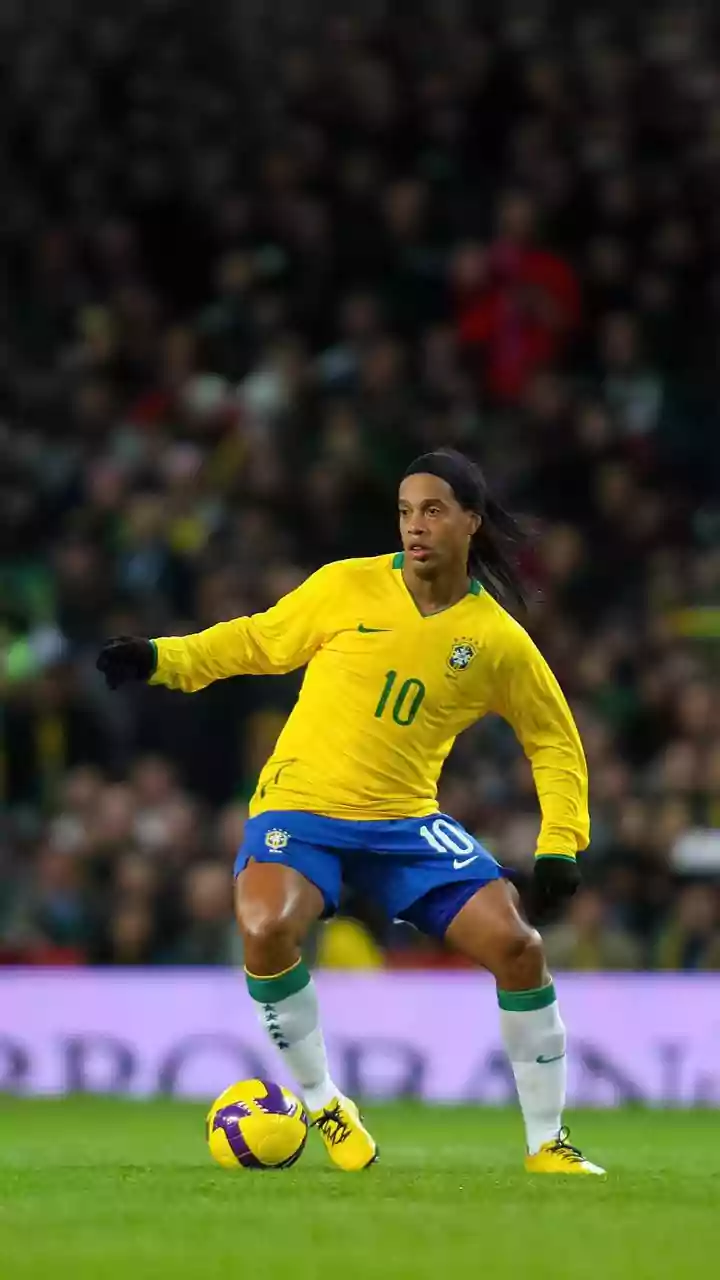
The Brazilian love for the game is also about *how* it’s played. The country gave the world *'futebol-arte'*—football art. This is the philosophy that prioritizes creativity, dribbling, and individual brilliance over rigid, tactical systems. Players like Garrincha, Pelé, Zico, Ronaldinho, and Neymar are revered not just for their goals, but for the joy and imagination in their play. This style is seen as a reflection of the Brazilian character itself: joyful, spontaneous, and a little bit magical. During the World Cup, the entire country becomes a critic and a romantic, celebrating the beautiful game and expecting their team to be its greatest artists.
The Great Unifier
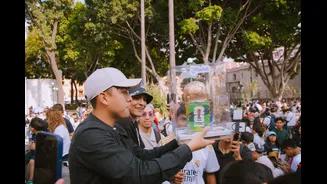
Brazil is a country marked by significant social and economic inequality. There are deep divisions along lines of class, race, and politics. But for one month every four years, many of those divisions seem to melt away. During a Brazil match, the whole country unites. From the favelas of Rio to the high-rise apartments of São Paulo, people gather in homes, bars, and public squares for collective viewing parties. Streets are painted green and yellow, flags hang from every window, and a common rhythm of cheers and groans takes over. For a brief period, the shared passion for the *Seleção* creates a powerful, if temporary, sense of national solidarity that few other events can muster.
A Carnival of Football
Ultimately, Brazilians treat the World Cup like a festival because it functions just like one. It has all the hallmarks of Carnival, the country's other great national passion. There is the suspension of normal life, with businesses and schools often closing during match times. There is the music, the colour, and the public celebration. There is a sense of collective effervescence—a shared emotional energy that lifts everyone out of their daily routines. It's a period of authorised and expected emotional release, where the entire population rides a wave of hope, tension, and communal feeling. It’s a party with a purpose, a national drama in which every citizen has a role to play.