







Your Pre-Travel Digital Checklist
Before you even step out the door, your smartphone is your best friend. The monsoon isn't the time to be spontaneous. Make it a habit to check reliable weather apps like the official IMD Weather app, AccuWeather, or Windy. [21] These can provide real-time
forecasts and warnings for your route, not just your destination. [21] For city travel, consult local traffic police apps or social media handles, which often post live updates on waterlogging and diversions. The India Meteorological Department (IMD) also issues specific advisories and warnings that can help you decide whether to travel at all. [24] As of late June 2026, the Southwest Monsoon has advanced across large parts of the country, including Maharashtra, Gujarat, and into northern states, bringing heavy rainfall warnings for the West Coast and Northeast India. [13, 14]
Navigating the Roads Safely
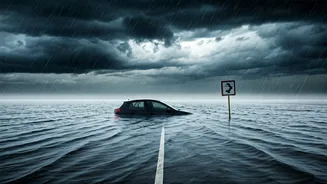
Driving during the monsoon requires extra caution. Before the season begins, get your vehicle monsoon-ready. This means checking that your tyres have sufficient tread, your brakes are in top condition, and your windshield wipers work flawlessly. [3, 4, 8] Poor visibility is a major hazard, so always use your low-beam headlights during heavy rain to make your vehicle more visible to others. [4] Maintain a greater distance from the vehicle in front of you, as braking distances increase significantly on wet roads. [3, 6] One of the biggest dangers is hydroplaning; if you feel the car skidding, ease off the accelerator and steer in the direction you want to go without braking suddenly. [3] It's crucial to avoid driving through standing water, which can be deeper than it appears and may hide open drains or cause your vehicle to stall. [3, 6]
Mastering Train and Air Travel
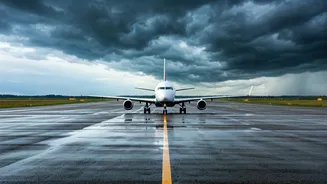
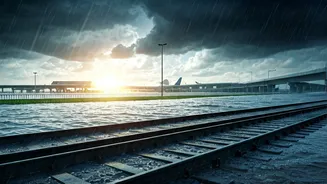
Monsoon travel often means delays in rail and air transport. Airlines report that delays can increase by up to 40% during peak monsoon months at major airports like Mumbai, Delhi, Chennai, and Bengaluru. [2] Heavy rain, low visibility, and waterlogged runways are common causes for disruptions. [18] The most effective strategy is to book morning flights, as thunderstorms tend to build in the afternoon and evening. [9] For both flights and trains, build a significant buffer time into your schedule. [21] For connecting flights, a layover of 3-4 hours is recommended. [9] Indian Railways often implements a special monsoon timetable on routes prone to disruption, like the Konkan Railway, with reduced speeds for safety. [26] They also take measures like waterproofing signals and clearing drains to minimise delays. [11, 23] Always check your PNR or flight status before and during your journey.
Pack Your Monsoon Survival Kit
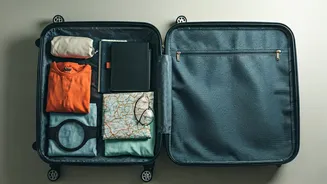
What you carry with you can make a huge difference. Your priority should be keeping yourself and your essentials dry. A sturdy raincoat, waterproof shoes with good grip, and an umbrella are non-negotiable. [27] Protect your electronics by storing them in ziplock or waterproof bags. [21, 27] A fully charged power bank is a lifesaver, as power cuts can be more frequent. [27] If you're on a road trip, a car kit with a tyre inflator is a wise addition. [27] Also, keep a basic first-aid kit with antiseptic, bandages, and any essential medications. [27] Because getting stuck in traffic is a high probability, having some dry snacks and a bottle of water in your bag can prevent a frustrating situation from becoming worse. [5]
Stay Flexible and Prioritise Safety
The most important monsoon travel tip is to remain flexible. Despite the best planning, disruptions can happen. Be prepared to alter your itinerary. If authorities issue warnings for extremely heavy rainfall or flash floods, avoid unnecessary travel. [16, 24] Getting from an airport or station to your final destination can also be a challenge, with waterlogging blocking roads and ride-hailing apps implementing surge pricing. [9] Where available, the metro is often the most reliable mode of transport during heavy downpours. [9] Strong currents make swimming at beaches in places like Goa and Mumbai extremely dangerous during the monsoon, so always heed local warnings. [17] Ultimately, no meeting or vacation is more important than your personal safety.