
Why October is a Golden Month for Safaris
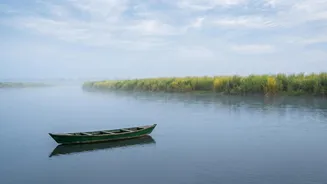
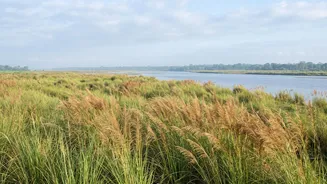
October is the beginning of an exciting new season for wildlife enthusiasts. The landscape is vibrant and green after months of rain, water bodies are full, and the air is fresh and pleasant. Animals are often more active in the comfortable post-monsoon
weather, increasing the chances of memorable sightings. While the peak summer months might offer easier tiger sightings around dwindling waterholes, October provides a far more scenic and comfortable experience. It also tends to be less crowded than the peak season that starts in November, allowing for a more serene jungle experience. Many of the core zones of India's most famous parks, which are closed from July to September, throw open their gates this month.
Rajasthan's Royalty: Ranthambore and Sariska
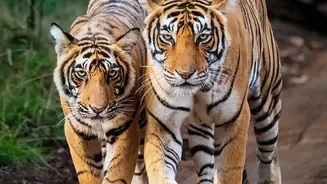
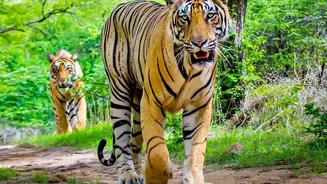
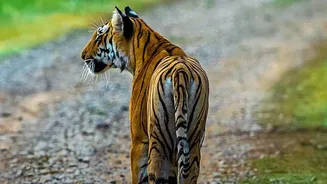
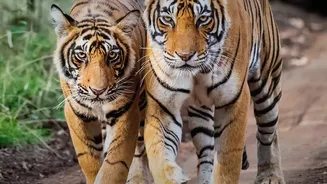
Ranthambore National Park, famous for its majestic tigers set against the backdrop of an ancient fort, officially reopened its main tourism zones (1-5) on October 1, 2026. While its buffer zones (6-10) remained accessible during the monsoon, the reopening of the core areas marks the true start of the safari season. Ranthambore is one of India's most popular reserves, so booking safaris well in advance is crucial. Nearby, Sariska Tiger Reserve in the Aravalli hills also reopened on October 1, offering another chance to spot Bengal tigers amidst historical ruins.
The Heart of India: Madhya Pradesh's Tiger Havens
Madhya Pradesh, often called the 'Tiger State', sees its famous parks welcome visitors again in October. Kanha National Park, the muse for Rudyard Kipling's "The Jungle Book," reopens its core zones from October 1st. This park is celebrated not only for tigers but also for the successful conservation of the rare hardground barasingha. Bandhavgarh National Park, known for having one of the highest densities of tigers in India, reopens around October 15th. Other parks in the state like Pench and Panna also reopen mid-month, around October 15th and 16th respectively, offering incredible biodiversity.
Foothills and Floodplains: Corbett and Kaziranga
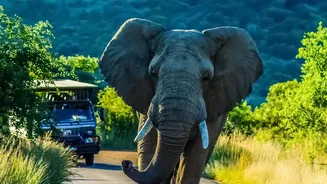
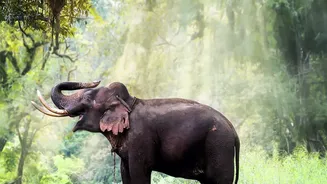
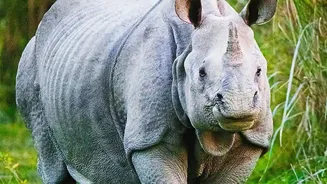
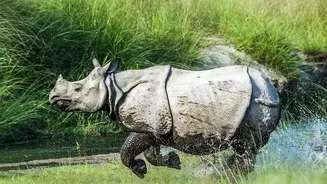
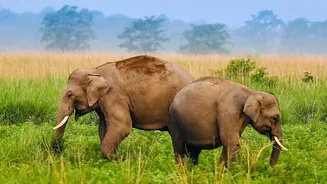
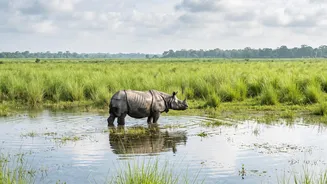
Jim Corbett National Park, India's oldest, begins a phased reopening in October. The popular Bijrani zone typically reopens around mid-October, while the Jhirna and Dhela zones remain open year-round. The park's most famous zone, Dhikala, known for its vast grasslands and elephant herds, follows with a later opening around November 15. In Assam, a major development for 2026 saw Kaziranga National Park reopen for tourists on October 3rd. This UNESCO World Heritage site is the global stronghold of the one-horned rhinoceros. While jeep safaris have resumed, elephant safaris are expected to start within a few weeks. Manas National Park, another UNESCO site in Assam, also reopened on October 2.
Your Essential Safari Planning Checklist
Planning is paramount for a successful wildlife trip, as permits for popular parks sell out fast. First, decide on your priority: are you focused solely on tigers, or are you interested in rhinos, elephants, or birdwatching? Based on that, select a park. The next and most critical step is to book your safari permits before anything else. Use the official state forest department websites for this. Bookings for popular parks can open anywhere from 45 to 120 days in advance. Once your permits are secured, book your accommodation, making sure it is close to the correct safari gate for your zone. For clothing, pack neutral, earthy tones like khaki and green to blend in with the surroundings. Lastly, bring binoculars and a good camera with a zoom lens to make the most of every sighting from a respectful distance.