






Your 24/7 Interview Coach
Imagine a career coach that’s available anytime, day or night, ready to run you through interview questions for as long as you want. That’s the core appeal of AI mock interview platforms. For Gen Z job seekers, who value flexibility and continuous learning,
these tools offer a way to practice on their own schedule. Unlike scheduling time with a friend or mentor, AI platforms provide a low-stakes environment to hone answers without the fear of judgment. This allows candidates to build confidence through sheer repetition, making their responses feel second nature by the time the real interview comes around.
Instant, Data-Driven Feedback
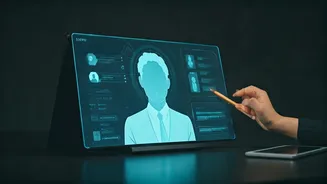
The real power of these AI tools lies in the immediate, detailed feedback they provide. After a practice session, the software can deliver a full analysis of a candidate's performance. This often includes metrics on speaking pace, the use of filler words like "um" and "like," and even the clarity of the response. Some advanced platforms analyze vocal tone to gauge confidence or use video to provide feedback on nonverbal cues like eye contact and body language. This data-driven approach helps users pinpoint specific weaknesses that subjective feedback from a human peer might miss, allowing for targeted improvement.
Tailored and Realistic Practice
Today's AI interview simulators go far beyond generic questions. Many platforms allow users to upload their resume and the job description for the role they’re targeting. The AI then generates personalized, role-specific questions, creating a practice session that closely mirrors what a candidate might actually face. Some tools even feature adaptive questioning, where the AI asks intelligent follow-up questions based on the user's previous answers, preparing them for the dynamic nature of a real conversation. This is especially useful for navigating the automated video interviews that companies like HireVue use in their initial screening processes.
Navigating the New Hiring Landscape
Gen Z is entering a job market that is increasingly shaped by technology. This generation, known for being digital natives, is comfortable leveraging tools to their advantage. Using AI to prepare for interviews aligns with their tendency to seek purpose-driven work and proactively manage their careers. By practicing with AI, they are not only preparing for a specific interview but also familiarizing themselves with the types of automated systems and AI-driven assessments they are likely to encounter throughout the hiring process, giving them a distinct competitive edge.
The Risks and Limitations
Despite the benefits, there's a growing concern about over-reliance on this technology. Some candidates are using AI assistants in real-time during live interviews, essentially reading from a script. This approach can backfire, as recruiters are becoming better at spotting the tell-tale signs of AI assistance. Furthermore, AI algorithms are not perfect. They can carry inherent biases from their training data, and they lack the human ability to appreciate nuance, emotional intelligence, or cultural fit. An AI can’t gauge a candidate's personality or unique strengths in the same way a human interviewer can.