




The magnetic pull of a street-side chaat stall is undeniable. That vibrant explosion of tangy, spicy, and sweet flavours is a cherished part of Indian culture. But what if the most delicious, and safest, plate of chaat was waiting in your own kitchen?
The Real Cost of a Plate of Pani Puri
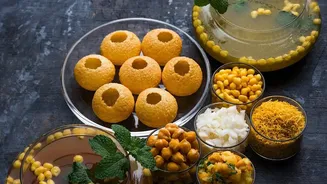
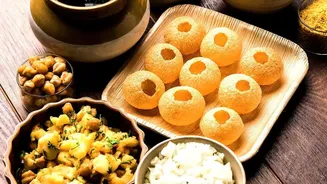
A plate of pani puri or a serving of bhel puri can seem like a bargain, often costing between ₹30 and ₹80 depending on the city and the vendor. While affordable for a single person, treating the family can quickly add up. Consider the alternative: making it at home. A one-time purchase of bulk ingredients like a packet of puris, sev, puffed rice, potatoes, onions, and the spices for chutneys costs significantly more upfront, but the yield is exponentially higher. That initial investment can produce countless plates of chaat over several weeks. A single batch of homemade tamarind and mint chutney can last for many sessions, and a bag of potatoes can form the base for dozens of servings. When you break down the cost per plate, the homemade version is drastically cheaper, allowing for generous, second helpings without a second thought.
The Unbeatable Freshness Guarantee
The term 'fresh' is subjective on the street. Vegetables may have been chopped hours ago, and chutneys could be from the day before. The true magic of chaat lies in the crispness of its ingredients and the vibrancy of its flavours, which diminish over time. When you make chaat at home, you are in complete control of the timeline. The onions and tomatoes are chopped just moments before serving, retaining their sharp crunch. The coriander is fragrant and unwilted, and the chutneys are as fresh as you choose to make them. This immediacy elevates the entire experience, delivering a burst of flavour and texture that street-side chaat, prepared for mass consumption, can rarely match. Assembling the dish right before you eat ensures every component is at its peak.
Taking Control of Hygiene
Hygiene is a persistent concern with street food. Studies have often highlighted issues with the water used for pani puri, the cleanliness of the vendors' hands, and the way utensils are washed in stagnant water. Contamination from sources like E. coli is a real risk, leading to common ailments like stomach infections and more serious diseases like typhoid and hepatitis A. In your kitchen, these variables are eliminated. You use filtered water for your chutneys and 'pani'. Your vegetables are washed thoroughly. Your hands and utensils are clean. You have peace of mind knowing that the delicious snack you are enjoying is also safe and prepared to your own high standards of cleanliness, a luxury that is never fully guaranteed on the street.
Your Chaat, Your Rules
One of the greatest joys of homemade chaat is customisation. At a stall, you get the standard offering. At home, you are the chef. Crave extra spice? Add more green chilli chutney. Prefer it milder for the kids? Tone it down. You can adjust the balance of sweet and tangy flavours to perfectly match your palate. But it goes beyond just flavour. You can make healthier choices, like using baked puris instead of fried ones, adding a handful of protein-rich sprouts, or bulking up your bhel with more fresh vegetables. You can create your own signature chaat, mixing and matching ingredients like corn, pomegranate seeds, or even paneer to invent a dish that is uniquely yours.
A Fun and Engaging Family Activity
Beyond the food itself, making chaat at home can become a delightful experience. It is an activity that can involve the whole family. Children can help with simple tasks like arranging puris on a plate or sprinkling sev on top, turning meal preparation into a fun and engaging event. The process of laying out all the different components—the fillings, the chutneys, the toppings—and letting everyone build their own plate creates a communal and interactive dining experience that is far more memorable than simply standing by a cart. It is about creating food and memories together.