






The Grand Vision Meets Ground Reality
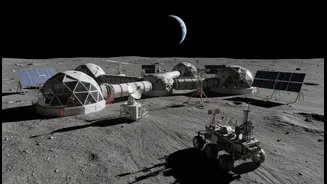
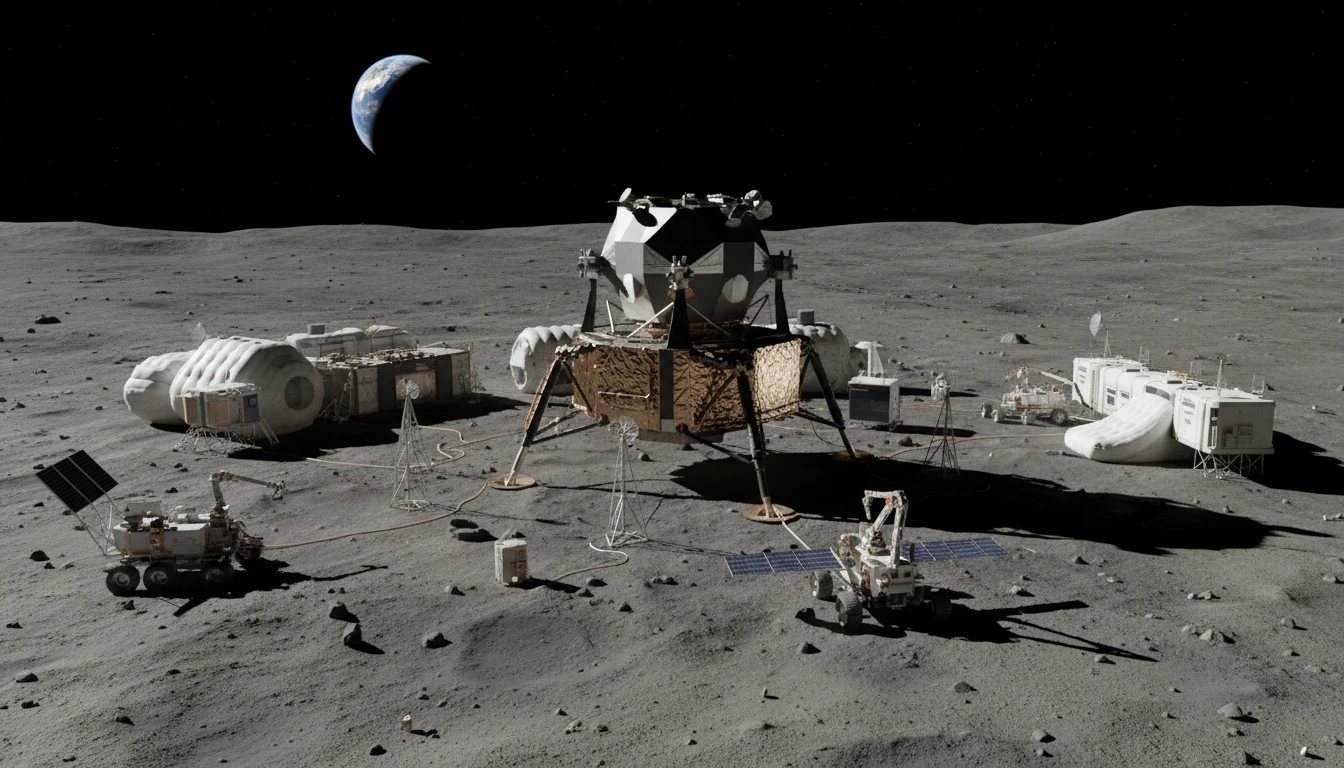
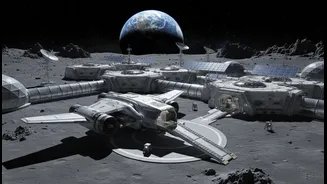
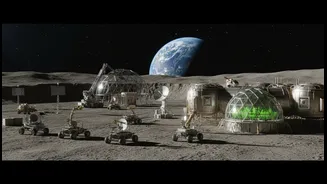
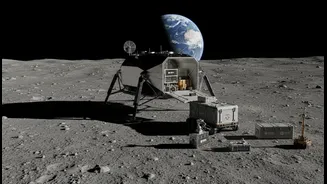
NASA is embarking on one of its most ambitious projects since Apollo: establishing a long-term human presence near the lunar South Pole, dubbed the Artemis Base Camp. The goals are monumental, ranging from unlocking the Moon's geological secrets to testing
technologies for future Mars missions. This isn't just about planting a flag; it's about creating a sustainable foothold on another world, complete with habitats, rovers, and power grids. However, a base, by definition, requires a steady stream of supplies. Every scientific instrument, every solar panel, every spare part needs to be transported across 240,000 miles of space. This is where the grand vision of science meets the hard reality of logistics.
Enter the Space Haulers
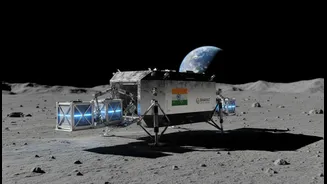
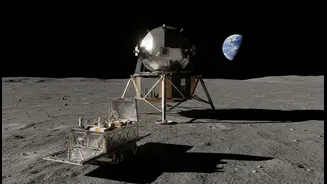
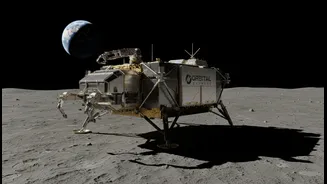
Quietly, NASA has been cultivating a new commercial space sector to solve this problem through its Commercial Lunar Payload Services (CLPS) initiative. The program essentially outsources lunar delivery to private American companies. Instead of building, owning, and operating every lander, NASA is buying a service, much like one might hire a courier. Companies like Intuitive Machines, Astrobotic, and Firefly Aerospace are now on contract to send robotic landers to the Moon, carrying NASA's science and technology payloads. This isn't a future plan; it's happening now, with recent contract awards in June 2026 paving the way for more deliveries in the coming years.
More Than Just a Delivery Service
Calling CLPS just a delivery service is a massive understatement. This initiative represents a fundamental shift in how space exploration is done. By fostering a competitive market, NASA is driving down costs and accelerating innovation. Each CLPS mission, even those that face challenges, provides invaluable data and experience. The program allows for more frequent and affordable trips to the lunar surface than would be possible under a traditional, government-led model. This high-cadence approach means more opportunities for science. Instead of putting all its eggs in one very large, very expensive basket, NASA can spread its bets across multiple, lower-cost missions, making the overall enterprise more resilient.
Acknowledging the Risks, Embracing the Model
The path has not been without setbacks. The early years of the CLPS program have seen mission failures, delays, and cost increases, demonstrating the immense technical and financial challenges of landing on the Moon. One vendor even filed for bankruptcy. This has led some to question the wisdom of relying on relatively new commercial players for such a critical task. However, these are not reasons to abandon the model; they are proof that it is working as intended. The program was designed to accept a higher level of risk in exchange for speed and innovation. Failures in this context are learning opportunities, and because the missions are smaller and more frequent, no single failure can derail the entire Artemis program. The recent successes of companies like Firefly Aerospace and Intuitive Machines show that resilience pays off.
Building a True Lunar Economy
The ultimate promise of the CLPS program goes beyond serving NASA. The goal is to create a thriving lunar economy where NASA is just one of many customers. By acting as an anchor tenant, NASA guarantees a foundational level of business, allowing these delivery companies to develop their capabilities and then offer their services to other clients—be they international space agencies, research universities, or other private ventures. We are already seeing the beginnings of this, with companies like Japan's ispace partnering with SpaceX to offer end-to-end commercial payload services. This is the key to a sustainable lunar presence: one that isn’t solely dependent on the shifting winds of government budgets but is instead supported by a robust, multi-customer market.