




A Hunger for Home
Food is memory on a plate. For many Indians, the taste of home is tied to simple, hearty dishes: the dal and khichdi from a family kitchen, or the chaat from a favourite street vendor. In a rapidly globalizing world, there is a powerful and growing desire
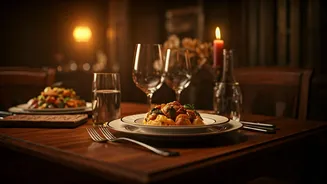
to reconnect with these roots. This isn't just about eating; it's about feeling. Diners are actively seeking food that connects them to culture, tradition, and personal heritage. This wave of nostalgia marketing has seen once-humble dishes find their way onto the menus of even five-star hotels, as people yearn for the authenticity and comfort of the past.
Defining the 'Polish'
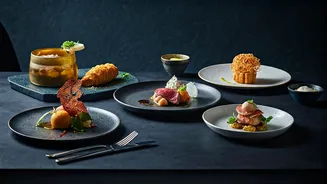
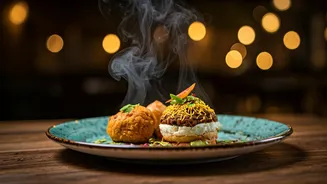
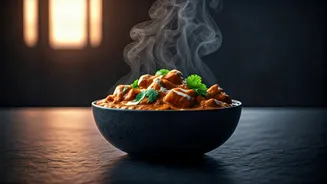
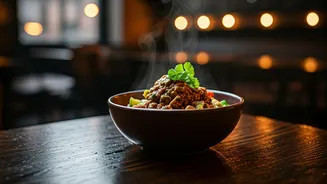
So, what does it mean to add 'polish' to a classic? It's far more than just increasing the price. This trend, often called 'Progressive Indian Cuisine', is about evolution, not fusion. Chefs are preserving the soul of traditional Indian flavours while introducing new techniques and high-quality ingredients. This might involve using molecular gastronomy to solve historical problems, like creating a dehydrated potato soil for Vada Pav that delivers all the spice without the oiliness. It could also mean using the sous-vide method to cook mutton for a curry, resulting in a buttery texture that's impossible to achieve with traditional braising alone. The goal is to elevate the experience, making it feel fresh and exciting without losing the emotional depth the original dish carries.
Classics, Reimagined
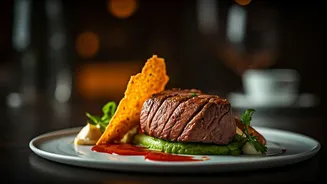
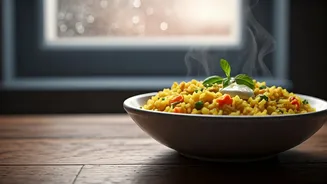
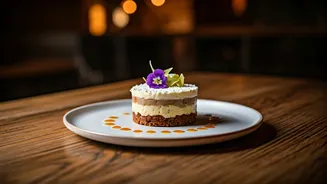
The results of this movement are both surprising and delightful. All across the country, chefs are transforming familiar comfort foods into modern culinary art. Imagine a Dahi Bhalla reinterpreted as an airy pastry or a Reshmi Kebab served with a side of cheese fondue. Street food, in particular, has become a playground for innovation. Golgappa and kebabs are being elevated into gourmet experiences. Chef Manish Mehrotra of the acclaimed Indian Accent, for example, is known for pushing the boundaries with creative representations of classic food, getting diners to experience traditional flavours with an innovative take. Others are transforming khichdi, once seen as a simple gruel, into fine-dining risottos using heirloom grains. These dishes prove that creativity can keep culinary heritage alive in the most delicious ways.
A Sign of Culinary Confidence
This trend is more than just a passing fad; it represents a fundamental shift in how Indian cuisine is perceived, both at home and abroad. For years, Indian food had to translate itself for a global audience, with a 'thepla' being described as a 'savory flatbread' to give it value. That era is fading. The new movement is rooted in confidence. Chefs like Sujan Sarkar and the late Jiggs Kalra have paved the way, encouraging a deep respect for authentic ingredients and regional techniques. This isn't about imitating the West, but about showing that Indian culinary logic, from its vast plant-based protein vocabulary to its complex spice blends, can stand on its own as a world-class cuisine. The focus has shifted from spectacle to substance, from novelty to a deep-seated pride in heritage.