

From Heirlooms to High Street
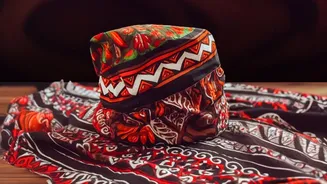
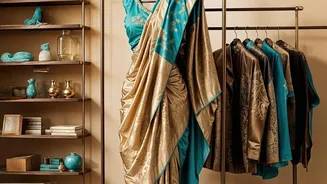
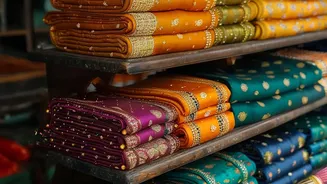
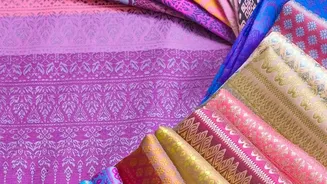
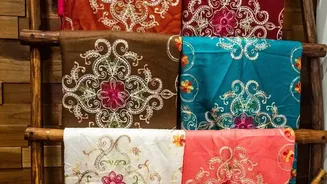
For generations, textiles like Banarasi silk, Bandhani tie-dye, and handwoven Khadi were the pride of an Indian wardrobe, often stored away for special occasions. Today, they are being radically reimagined. The charm of contemporary Indian streetwear
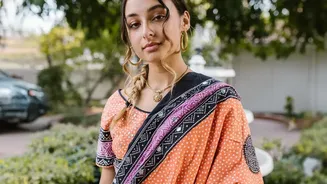
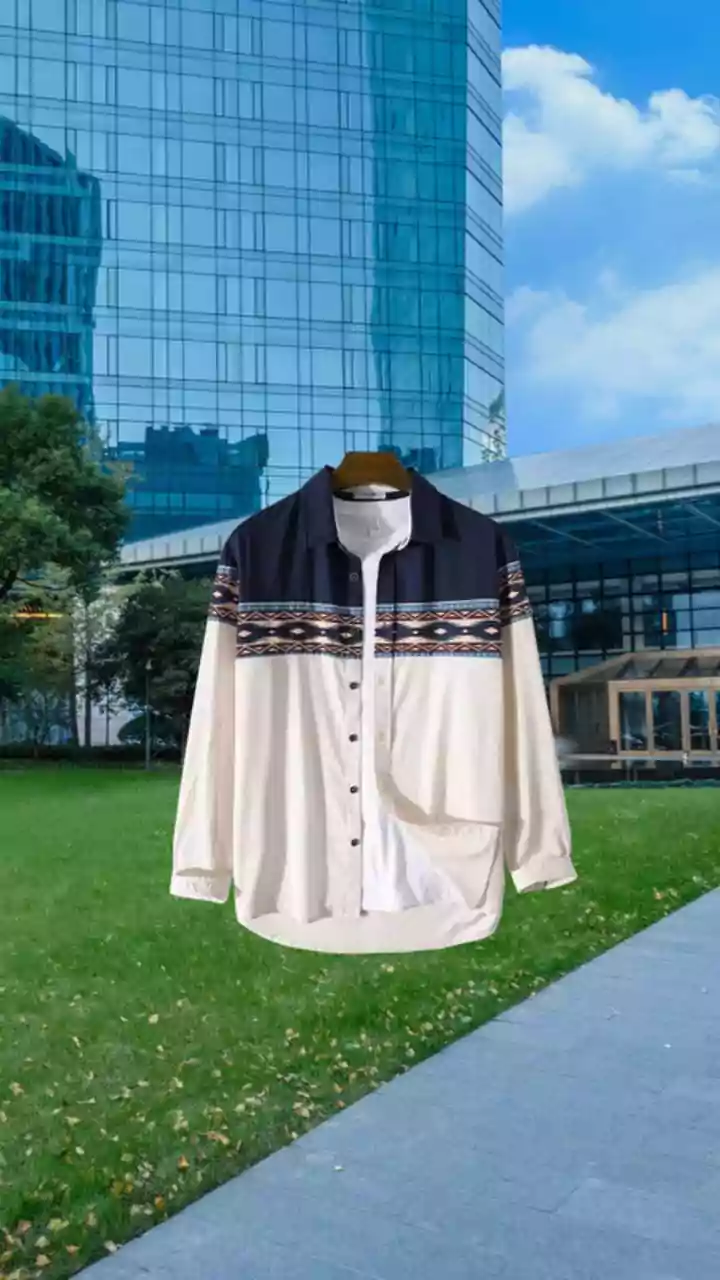
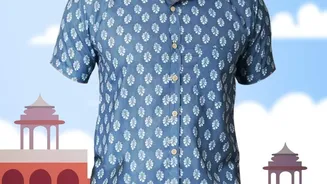
lies in its ability to fuse these heritage fabrics and traditional techniques like block printing with the relaxed, rebellious silhouettes of global street style. This blend has created a unique fashion identity that feels both international and deeply rooted in Indian culture. The result is a vibrant new aesthetic where an Ikat pattern might appear on a pair of joggers or a Khadi jacket is cut with the sharp lines of military-inspired outerwear.
The New Guard of Design
This movement is being championed by a host of homegrown labels founded by young, culturally confident designers. Brands like NorBlack NorWhite, founded by Toronto-bred designers who moved to India to explore its craft culture, have become known for blending techniques like Bandhani and Ikat with modern silhouettes like worker jackets and track sets. Similarly, Johargram, founded in 2020, champions the textiles of Jharkhand, creating ethical and sustainable streetwear that empowers local artisans. Others, like Jaywalking and Almost Gods, draw inspiration from hip-hop culture and art, creating gender-inclusive pieces that have been embraced by style icons and a generation hungry for authentic self-expression.
More Than Just a Trend
So, why is this happening now? The answer lies in a powerful cultural shift. For many young Indians, this isn't just about fashion; it's a form of self-expression and a reclamation of identity. In a world saturated with global trends and fast fashion, there is a growing desire for authenticity and meaning. Gen Z and Millennial consumers are increasingly seeking out clothing that tells a story and connects them to their roots. This movement is a conscious choice to wear their heritage proudly, rejecting the idea that tradition is something to be confined to the past. According to surveys, a majority of young consumers now associate their textile choices with identity signaling more than they do with brand logos.
Sustainability Meets Swag
The trend also aligns perfectly with a growing global consciousness around sustainability. Unlike mass-produced garments, many of these heritage fabrics are made using eco-friendly methods and natural dyes, part of a slow fashion movement that values quality and ethical production. Many of these brands work directly with artisan communities, helping to preserve centuries-old techniques like handloom weaving and block printing that might otherwise fade away. This provides vital livelihoods for rural artisans and ensures their skills are passed down. For a generation that cares deeply about the environmental and ethical footprint of their purchases, buying from these brands is a statement of their values.