


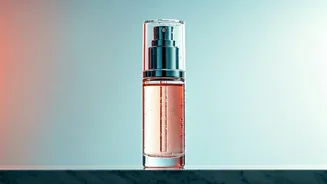
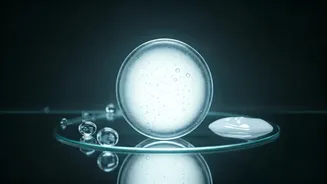


A Philosophy of ‘Skin First’
The single biggest reason K-beauty has cemented its place in our routines is its core philosophy: skin first, makeup second. For decades, many Western beauty ideals focused on concealing imperfections with heavy foundations and colourful cosmetics. Korean
beauty flips this script entirely. The ultimate goal isn't to cover up, but to cultivate such healthy, radiant skin that you need minimal makeup. This preventative and nurturing approach resonates deeply. It frames skincare not as a chore to fix problems, but as a pleasurable act of self-care and long-term investment. This mindset encourages consistency and education, empowering users to understand their skin's needs rather than just reacting to breakouts.
The Engine of Constant Innovation
South Korea's beauty market is one of the most competitive in the world. This fierce domestic competition fuels an incredibly fast-paced cycle of research and development. While a brand elsewhere might launch a new product every year, Korean brands are known to innovate in months. This relentless drive has gifted the world entirely new categories of products. Think about it: before K-beauty went global, were we all using essences, ampoules, sleeping masks, or pimple patches? The cushion compact, a game-changer for foundation application, was a Korean invention. This constant stream of newness—in textures, ingredients, and application methods—keeps the category exciting and ensures that it never feels stagnant. Consumers know that the next big thing in skincare is likely already being developed in a lab in Seoul.
Gentle Ingredients, Powerful Results
K-beauty popularised the idea that you don't need harsh, stripping ingredients to see results. Instead, the focus is on hydration, nourishment, and strengthening the skin’s natural barrier. This is where its famous ingredients come into play. Centella Asiatica (or ‘cica’) soothes inflammation, propolis offers antibacterial benefits, and fermented ingredients help with absorption and skin health. And of course, there’s snail mucin, which seemed bizarre at first but won over millions with its incredible ability to hydrate and repair. These ingredients are often rooted in traditional remedies but are supercharged with modern cosmetic science. By prioritising gentle efficacy, K-beauty offers solutions for even the most sensitive skin types, broadening its appeal far beyond a niche audience.
The Perfect Fit for the Indian Market
The K-beauty explosion in India isn’t a coincidence. Several factors make it a perfect match. Firstly, the emphasis on lightweight, hydrating layers is ideal for India’s predominantly hot and humid climate, where heavy creams can feel suffocating. Secondly, there’s a cultural overlap in the appreciation for natural and traditional ingredients. Most importantly, the rise of e-commerce and social media has made these once-inaccessible products readily available. Indian consumers are savvy; they do their research. The transparency of K-beauty brands, which often detail every ingredient and its purpose, appeals to this desire for knowledge. Brands like Innisfree, The Face Shop, and countless others are no longer niche; they are mainstays in shopping malls and online stores across the country.
Beyond the 10-Step Routine
The infamous 10-step Korean skincare routine is perhaps its most well-known—and most misunderstood—concept. For many, it sounds intimidating and time-consuming. But in reality, it was never meant to be a rigid, daily prescription. It’s more of a flexible framework, a menu of possibilities from which you choose what your skin needs on any given day. Feeling dry? Add a hydrating serum and a sleeping pack. Dealing with a breakout? A pimple patch and a soothing cica cream are your friends. The true lesson of the 10-step routine is customisation. It taught us to listen to our skin and respond with targeted care, a principle that is universally applicable and timeless.