






Beyond the Hype: The Power of Simple Foods
The modern wellness industry often promotes exotic berries, expensive powders, and imported seeds as the secret to good health. While these products can be nutritious, they are by no means essential. The foundation of a high-quality diet is built on something
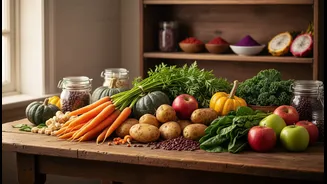
much simpler and more accessible: whole foods. A diet rich in a variety of plant-based foods can lower blood pressure, reduce the risk of heart disease and stroke, and even help prevent some types of cancer. The truth is, the most significant health benefits come not from a single, expensive 'superfood,' but from the consistent habit of eating a diverse range of nutrient-dense foods that are both affordable and readily available.
The Humble Fruit: Nature's Sweet Medicine
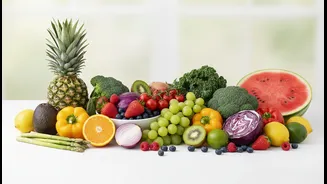
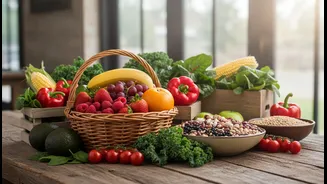
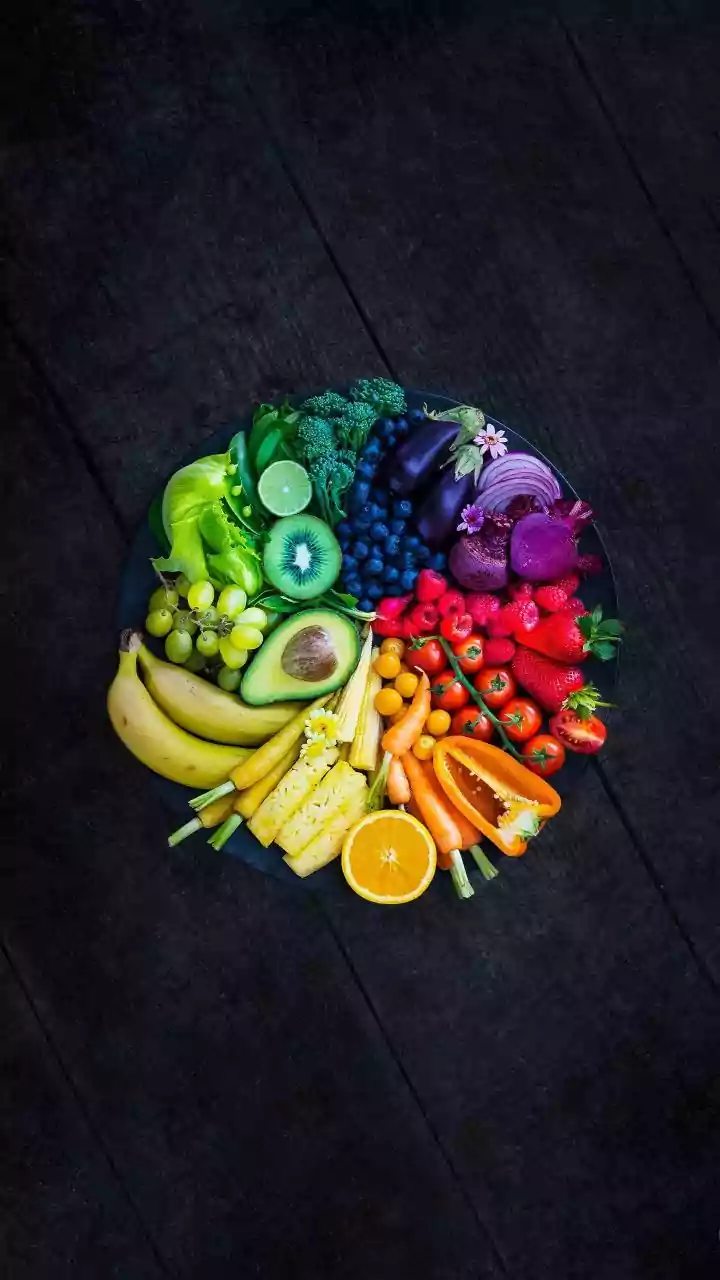
Fruits are nature's multivitamins, packed with essential vitamins, minerals, fibre, and antioxidants. They support immune function, aid digestion, and protect the body against disease. In India, we are blessed with an abundance of seasonal fruits that are both delicious and budget-friendly. Instead of seeking out imported berries, embrace local treasures like bananas, guavas, papayas, and seasonal mangoes. These fruits offer a wealth of nutrients. For example, bananas are a great source of potassium, which helps regulate blood pressure, while guavas are exceptionally rich in Vitamin C. Buying fruits that are in season not only ensures the best flavour and nutritional value but also keeps costs down. A colourful fruit bowl on your counter is a simple, powerful step towards better health.
Beans and Lentils: The Protein Powerhouse
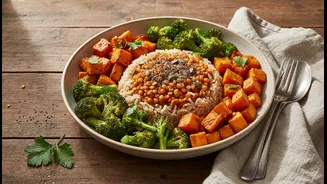
Legumes, which include the vast family of beans, lentils (dals), and chickpeas (chana), are nutritional superstars. They are unique in that they can be considered both a protein and a vegetable. These staples of the Indian diet are an excellent source of plant-based protein, dietary fibre, iron, and folate. The high fibre content helps you feel full and satisfied, aiding in weight management and promoting a healthy gut. Studies have shown that regular bean consumption can help control blood sugar, lower cholesterol, and reduce blood pressure. Dry lentils and beans are incredibly cost-effective and, when cooked from scratch, provide a healthy, versatile base for countless meals, from traditional dals and curries to salads and soups.
Go Green: A Boost of Essential Nutrients
Green leafy vegetables are among the most nutrient-dense foods on the planet. Varieties common in Indian cuisine, like spinach (palak), fenugreek (methi), amaranth (chaulai), and mustard greens (sarson), are packed with vitamins A, C, and K, as well as iron, calcium, and potent antioxidants. These nutrients support everything from vision and bone health to immune function. Including a variety of greens in your diet can reduce inflammation and protect against chronic diseases. One study even found that spinach originating from India had exceptionally high levels of folate, a crucial B-vitamin. Greens are also versatile; they can be quickly sautéed, added to dals, blended into smoothies, or stuffed into parathas, making it easy to boost the nutritional value of any meal.
Making It a Daily Habit
Incorporating these nutritional powerhouses into your diet is simpler than you think. Start by planning your meals for the week, focusing on recipes that use seasonal produce and pantry staples like lentils and beans. Visiting your local vegetable market can provide access to fresh, affordable options. Don't underestimate frozen vegetables, either; they are often frozen at peak freshness, retaining their nutrients and offering great value. Pairing these foods can also enhance their benefits. For example, the vitamin C in citrus or tomatoes can help your body absorb the iron from spinach and lentils. By focusing on these simple, accessible, and affordable foods, you can build a truly high-quality diet that supports long-term health and well-being.