


The Foundation of the Fast: What is 'Phalahari'?
The Janmashtami fast, or 'vrat', is a spiritual discipline to purify the mind and body. Most devotees observe a 'phalahari' fast, which means abstaining from grains, cereals, and certain other foods. The core principle is to consume 'sattvic' or pure
foods that are light and easy to digest, keeping the focus on prayer and devotion. The strictest form of fasting is 'nirjala', where devotees abstain from both food and water. However, the phalahari vrat is far more common, allowing for a diet of fruits, milk products, and specific non-cereal flours. Across all fasting traditions, certain items are universally avoided: onions, garlic, non-vegetarian food, and alcohol are strictly forbidden. Regular table salt is also replaced with 'sendha namak' or rock salt.
Permitted Flours and Grains
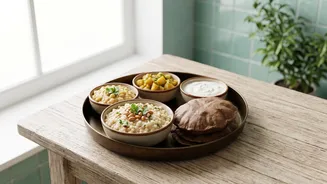
While regular grains like wheat and rice are off the menu, a special category of flours and pseudo-grains forms the backbone of the fasting diet. These provide energy and allow for the preparation of festive dishes. The most common permitted flours include Kuttu ka Atta (buckwheat flour), Singhare ka Atta (water chestnut flour), and Rajgira ka Atta (amaranth flour). These are used to make pooris, parathas, and cheelas, often with a stuffing of spiced potatoes. Sabudana (tapioca pearls) and Samak ke Chawal (barnyard millet) are also staples. Sabudana is incredibly versatile, used to make comforting khichdi, crispy vadas, and creamy kheer. Samak rice serves as a direct substitute for regular rice in dishes like pulao and khichdi.
Approved Vegetables, Fruits, and Dairy
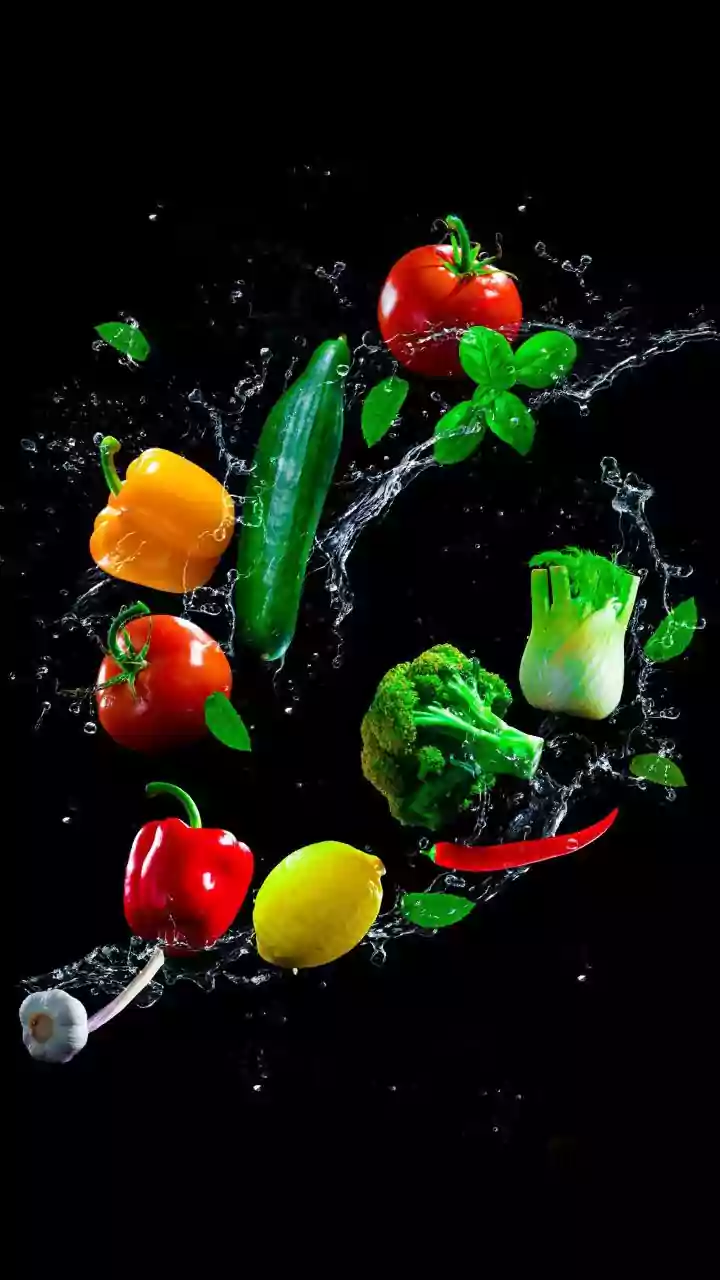
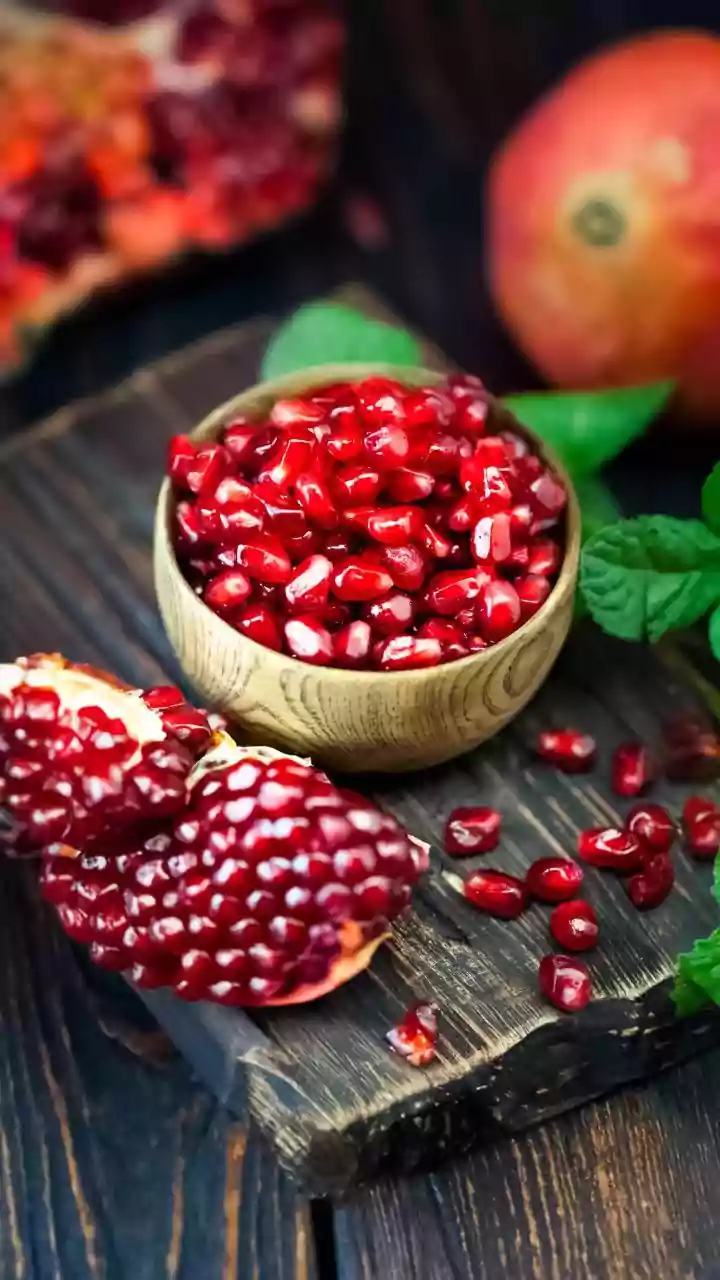
The phalahari diet is rich in specific vegetables, fruits, and dairy products. Potatoes and sweet potatoes are widely used, forming the base of many savoury dishes like Vrat Wale Aloo. Other permitted vegetables often include raw banana, pumpkin, and bottle gourd. Dairy holds special significance due to Lord Krishna's childhood love for milk and butter. Milk, curd, paneer, and ghee are all consumed and used generously in cooking. Panchamrit, a sacred mixture of milk, yogurt, ghee, honey, and sugar, is a key offering. All seasonal fruits, such as bananas, apples, and pomegranates, are allowed and often consumed as a light meal or in a fruit chaat.
Regional Delicacies of North and West India
In North India, particularly the Braj region of Mathura and Vrindavan, the fast is broken with dishes that celebrate Krishna's love for dairy. Makhan Mishri, a simple mix of fresh white butter and rock sugar, is a primary offering. Dhaniya Panjiri, made from roasted coriander powder, ghee, and nuts, is a unique prasad for those avoiding grains. In Maharashtra, the fast is often associated with the Dahi Handi celebrations, and the special dish is Gopalkala or Dahi Kala. This is a mix of flattened rice (poha), curd, cucumber, and peanuts, symbolizing the food Krishna shared with his friends. Sabudana Khichdi and Sabudana Vada are also Maharashtrian fasting staples that have gained popularity across India.
Culinary Traditions of the South and East
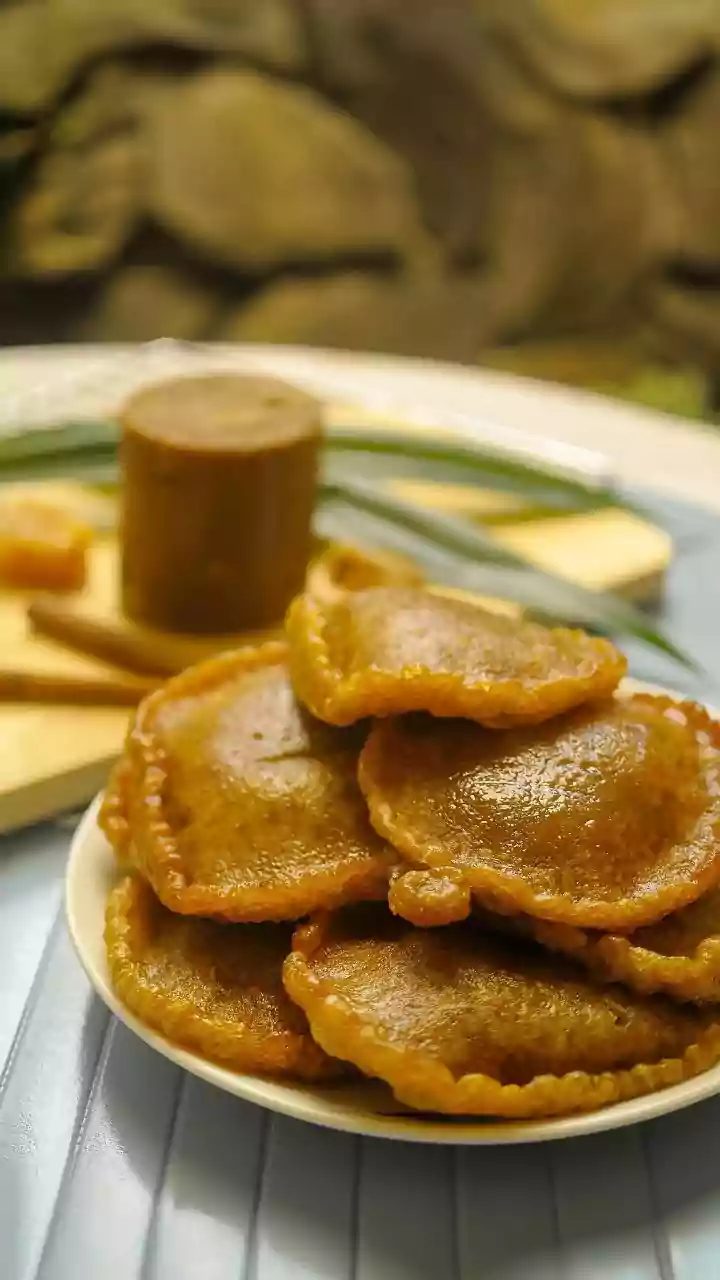
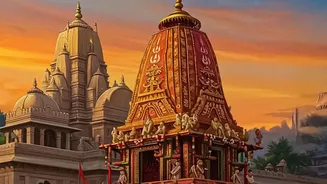
In Southern India, especially Tamil Nadu, Janmashtami (or Gokulashtami) features an array of handmade snacks. Instead of a grain-free fast, the focus is on offering specific rice-flour delicacies. These include Uppu Seedai (savoury fried rice-flour balls) and Vella Seedai (a sweet version with jaggery). Kai Murukku, a hand-twisted crunchy snack, is also essential. In West Bengal and Odisha, the offerings are guided by seasonal availability. Taler Bora, sweet fritters made from the pulp of the Asian palm fruit, is a Bengali specialty. The Jagannath Temple in Puri, Odisha, is famous for the 'Chhappan Bhog'—a grand offering of 56 dishes—a tradition that influences home celebrations with an abundance of sweets and savoury items.
Foods to Strictly Avoid
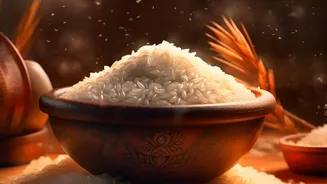
To maintain the sanctity of the fast, a clear list of foods is prohibited. At the top of the list are all grains and cereals, including wheat, rice, millets (except barnyard millet), and corn. All lentils and pulses (dals) are also avoided. Common vegetables like onion and garlic are forbidden due to their 'tamasic' (heating or stimulating) properties, which are considered a distraction from spiritual focus. In some traditions, vegetables like brinjal, carrots, and beetroot are also avoided on the day of the fast. All forms of non-vegetarian food (meat, fish, eggs) and alcohol are completely prohibited. Lastly, regular table salt is replaced by sendha namak (rock salt) for all cooking.