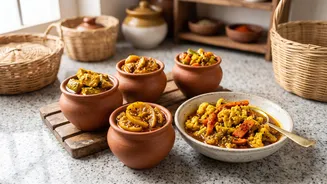






A spoonful of tangy, spicy achar is a cornerstone of the Indian meal. Now, a growing wave of city shoppers is bypassing supermarket shelves, seeking out the authentic, rustic flavours offered by small-scale, traditional pickle makers.
A Craving for Authenticity and Nostalgia
For many Indians
living in bustling cities, the taste of a specific pickle is a powerful link to home. It evokes memories of summer holidays, of grandmothers meticulously sun-drying mangoes, and of secret family recipes passed down through generations. This deep-seated nostalgia is a major driver behind the rising demand for homemade-style pickles. While large commercial brands have long dominated the market, they often compete against the powerful memory of a grandmother's recipe. Urban consumers, many of whom have hectic lifestyles that leave little time for traditional food preparation, are increasingly seeking out flavours that feel genuine and lovingly prepared. This has created a fertile ground for micro-producers who specialise in small-batch, traditional recipes that taste like they came straight from a family kitchen.
The Health-Conscious Choice
The shift is not just about taste; it's also about health. Today’s consumers are more conscious of what they eat, preferring clean-label foods with fewer preservatives. Many traditional Indian pickles are naturally fermented using salt and sunlight, a process that creates probiotics—beneficial bacteria that support gut health, aid digestion, and boost immunity. This stands in contrast to many mass-produced pickles, which often use vinegar and artificial preservatives and do not offer the same probiotic benefits. Micro-producers often highlight their use of natural ingredients, quality oils like cold-pressed mustard oil, and the absence of synthetic additives, appealing directly to health-aware city dwellers looking for functional foods that offer more than just flavour.
From Local Kitchens to National Reach
This boom would be impossible without technology. Social media platforms like Instagram and Facebook, along with messaging apps like WhatsApp, have become powerful tools for these home-based entrepreneurs. They allow producers to tell their story, showcase their unique products with mouth-watering photos, and connect directly with a niche audience of food lovers across the country. This direct-to-consumer (D2C) model, often facilitated by their own websites or listings on e-commerce giants, enables them to bypass the hurdles of traditional retail distribution. A pickle maker in Hyderabad can now ship their signature Avakaya to a customer in Delhi with a few clicks, turning a hyperlocal craft into a scalable business.
Celebrating Regional Diversity
Beyond the classic mango and lime, these micro-producers are champions of India's incredible culinary diversity. They are bringing rare and regional specialities to a wider audience. Consumers can now explore unique flavours like Bihar's Jha Jee pickles, fiery prawn or beef pickles from the Malabar coast, or pickles made with lesserndowen ingredients like bird's eye chilli (kandhari) or wild vegetables. This offers urban foodies a sense of discovery and a chance to taste hyperstocal specialities that were previously unavailable outside their native regions. This focus on distinctive, premium taste experiences is a key differentiator from the more standardised offerings of large brands.
Empowering Entrepreneurs, One Jar at a Time
The rise of artisanal pickles is also a story of economic empowerment, particularly for women. Many of these businesses are started by homemakers who are turning their culinary passion and family recipes into a source of income. Organisations like FarmDidi are building on this trend, creating techled platforms that connect thousands of rural women entrepreneurs with the urban market, drawing inspiration from successful womenled cooperatives like Lijjat Papad. While running a smallbatch business has its challenges, such as sourcing materials and tight profit margins, it provides a powerful avenue for financial independence and preserves invaluable culinary heritage.