




The Sweet Phenomenon: Mochi Ice Cream
For the uninitiated, mochi ice cream is a delightful paradox. It consists of a premium ice cream ball enveloped in a soft, chewy, and slightly sweet layer of pounded glutinous rice dough known as mochi. The experience is a textural journey: the soft, pillowy
outer layer gives way to a cold, creamy centre. This unique combination of texture and temperature has been a key part of its charm since it was first developed. The global mochi ice cream market was valued at approximately $3.8 billion in 2025 and is projected to grow significantly, proving it's more than just a fleeting trend. Its resurgence isn't accidental; it’s fueled by a perfect storm of social media virality, culinary innovation, and a shift in how we think about dessert.
From Niche Treat to Viral Sensation
A huge driver of mochi's current popularity is social media. Platforms like TikTok and Instagram are filled with videos showcasing the signature “mochi pull”—the satisfying stretch of the dough as it's bitten into. These visually appealing, bite-sized clips have generated billions of impressions, creating a powerful organic marketing engine. Brands have leaned into this, encouraging user-generated content like taste tests and “mochi hunts,” which turn snacking into a shareable experience. Unlike many food trends that require complex recipes, mochi is a ready-to-eat product that offers a novel experience, making it perfectly suited for the fast-paced, visual world of social media. This accessibility has helped it transition from a niche item in Asian supermarkets to a mainstream freezer-aisle staple.
A World of New Flavours
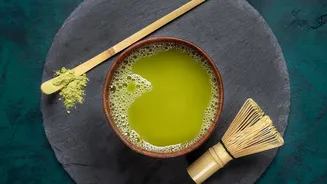
Beyond the social media hype, a continuous wave of flavour innovation has kept the snack exciting and relevant. While traditional flavours like matcha green tea and red bean remain popular, brands are constantly introducing new and exotic options that cater to adventurous palates. We're now seeing everything from tropical guava and passion fruit to decadent tiramisu, horchata, and ube (purple yam). This expansion includes collaborations and fusions, like mochi filled with gelato or inspired by popular drinks like boba tea. This constant evolution ensures there’s always a new flavour to try, appealing to both loyal fans and curious newcomers. The market for these specialty flavours is, in fact, the fastest-growing segment of the mochi ice cream industry.
The Portion-Controlled, 'Better-for-You' Indulgence
In an era of wellness and mindful eating, mochi ice cream fits surprisingly well. Each ball is naturally portion-controlled, typically containing around 100 calories. This allows consumers to enjoy an indulgent treat without the commitment of a large pint of ice cream. Furthermore, many brands have responded to dietary trends by offering gluten-free, dairy-free, and vegan options, often using oat milk or sorbet fillings. The base of mochi is rice flour, making it a naturally gluten-free product. This perception of a 'lighter' or more permissible indulgence resonates with health-conscious consumers who still want to satisfy their sweet cravings. As people move away from overly sugary, high-calorie desserts, mochi offers a satisfying and balanced alternative.