





Create Separate Sanctuaries
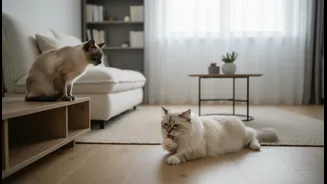
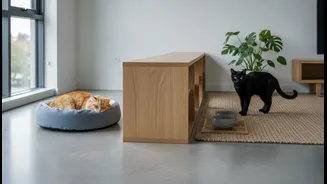
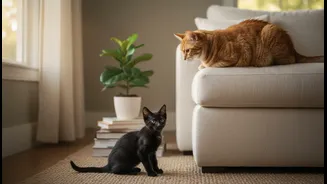
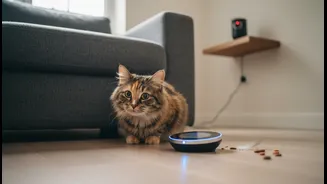
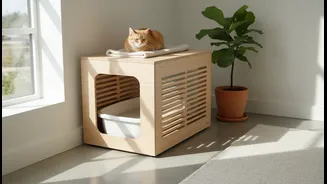
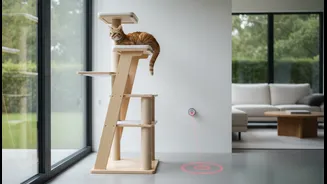
Even in one room, you must create two separate, secure territories before the new cat arrives. The new cat needs a 'sanctuary room' to decompress for a few days or weeks. A large bathroom or a sectioned-off area using a tall baby gate covered with a blanket
can work. Some owners even use large dog crates as a temporary safe zone for the newcomer. This initial separation is non-negotiable; it prevents direct confrontation and allows the cats to get used to the sounds and routine of the home without the stress of a face-to-face encounter. Each space must contain all essential resources: a litter box, food, water, and a comfortable bed. This ensures neither cat feels they must compete for resources, which is a primary source of conflict.
Master the Scent Swap
Cats understand the world through scent, making it the most critical tool for a peaceful introduction. Before they see each other, they must become familiar with each other's smell. Take a clean, soft cloth or sock and gently rub it on your resident cat’s cheeks and head to collect their 'friendly' pheromones. Place this cloth in the new cat's sanctuary space. Do the same for the new cat, placing their scented cloth in your resident cat's main area. Placing it on the floor allows the cat to approach it on their own terms. If they sniff it and walk away, that's a positive sign. You can reinforce this acceptance by placing treats near the scented item, creating a positive association. This process of 'scent swapping' desensitizes them to the presence of another cat, making the eventual meeting feel less like an invasion.
Site-Swapping for Familiarity
Once both cats are calm about each other's scents, you can begin site-swapping. This involves letting the new cat explore the main living area while your resident cat is temporarily moved into the sanctuary room. They must not see each other during the swap. This allows each cat to investigate the other's territory and personal smells in-depth without a direct confrontation. The new cat can leave their scent around the flat, and the resident cat can become accustomed to it. Pay close attention to their reactions. If they seem curious and relaxed, it’s a good sign. If either cat hisses, growls, or acts defensively while exploring, they may not be ready, and you should return to scent-swapping for a few more days before trying again.
Positive Associations Through Food
The next step is to build a positive association with each other's presence. The easiest way to do this is with food. Begin feeding both cats at the same time on opposite sides of the closed sanctuary door. They can hear and smell each other more closely, but the presence of food connects that experience with something positive. If they both eat calmly, you can gradually move their bowls closer to the door over several feeding sessions. The goal is for both cats to eat peacefully right next to the door. This method cleverly uses their natural instincts, linking the scent of the other cat to the reward of a meal. Once this is successful, you can move on to visual contact.
Controlled Visual Introductions
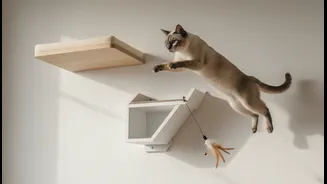
The first time the cats see each other should be brief, controlled, and positive. Use two stackable baby gates in the doorway or crack the door just enough for them to see but not pass through. The goal is to have them see each other while good things are happening. Engage them in a play session with a feather wand or give them high-value treats, like lickable snacks, during these visual meetings. Keep the first few sessions extremely short—even just five or ten minutes—and always end on a positive note before any tension can build. A little hissing or a quick swat through the gate is normal, but if either cat becomes fixated, overly aggressive, or highly stressed, end the session immediately and take a step back to feeding and scent-swapping.
Supervised Time Together
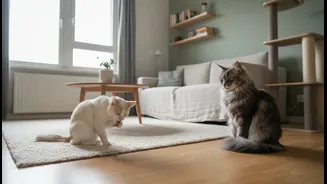
After many positive visual interactions, you can allow the first fully supervised meeting in the same room. Do not force it. Open the door and let them decide if they want to explore. Keep the atmosphere calm and use interactive toys to distract them and keep the focus on play rather than each other. These initial joint sessions should be short, perhaps 20-30 minutes, followed by separation. This shows them that being together is a temporary, fun experience, not a permanent state of competition. Watch their body language closely. If you see signs of escalating tension, calmly create a distraction to separate them before a fight can occur. Never let them 'fight it out,' as this can permanently damage their relationship.