


Choosing Your Flour: Atta or Maida?
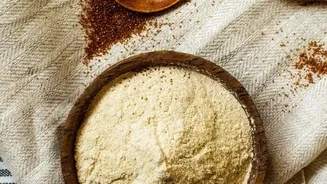
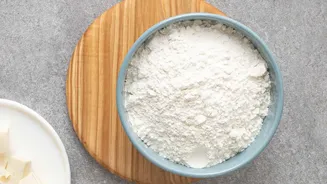
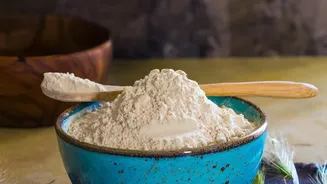
The foundation of any good starter is the flour. In India, the most common choices are atta (whole wheat flour) and maida (refined all-purpose flour). Whole wheat atta is an excellent choice for beginners because the bran and germ contain abundant natural
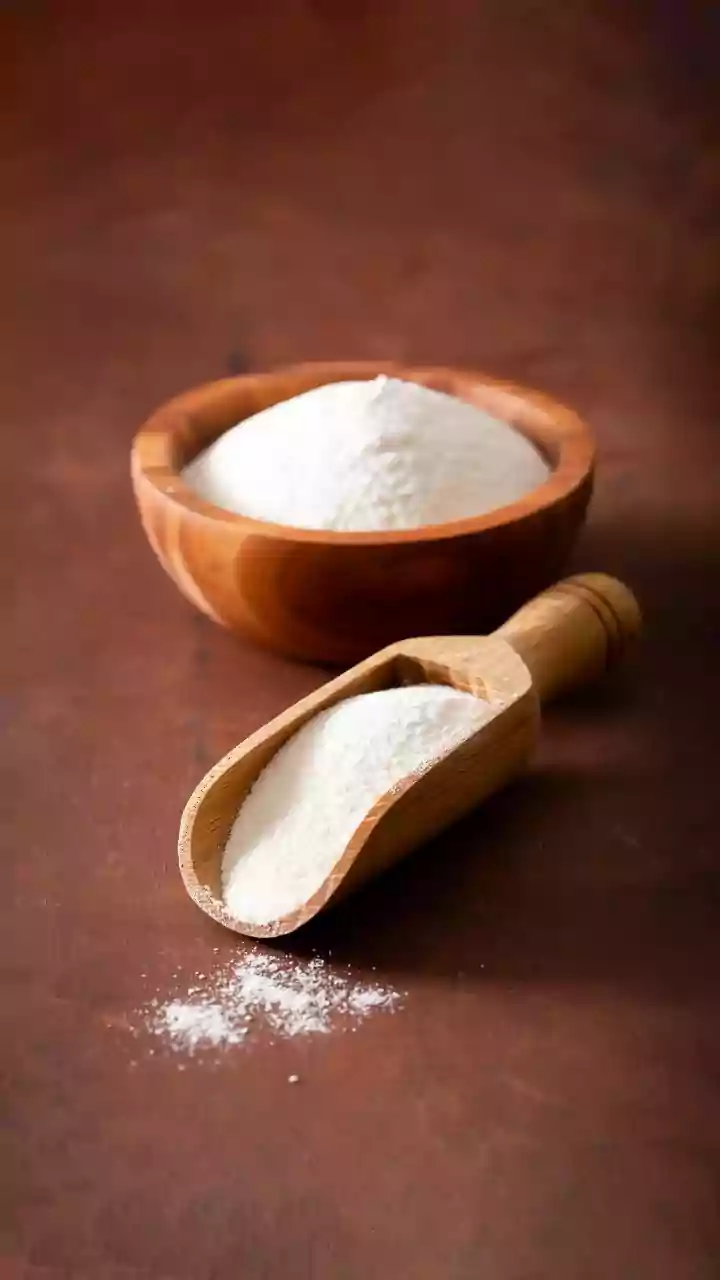
yeasts and nutrients that kickstart fermentation. Starters made with atta tend to be very active and robust. Maida, being refined, has fewer of these microorganisms and can be slightly slower to start. However, it can produce a starter with a milder flavour. Many bakers find success using chakki atta to get the starter going and then feeding it with a blend of atta and maida, or switching to just maida later. There's no single perfect answer; the best flour is often the one you have readily available.
Day 1-3: Bringing Your Starter to Life
To begin, you only need flour, water, and a clean glass jar. On Day 1, combine equal parts by weight of whole wheat atta and filtered water—say, 50 grams of each. Mix them into a thick paste in your jar, cover it loosely (a cloth or a lid placed on top but not sealed) and leave it in a warm spot. For the next two days, you may not see much activity, and that's perfectly normal. Once every 24 hours, you'll 'feed' it. To do this, you will discard about half of the mixture and then add a fresh 50 grams of flour and 50 grams of water, stirring well each time. This process removes waste products and provides fresh food for the developing yeast culture.
Day 4-7: Establishing a Rhythm
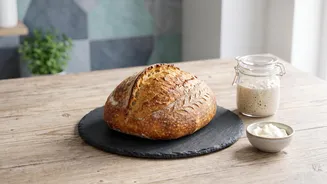
Around day four or five, you should start to see more consistent signs of life: bubbles, a noticeable rise in volume, and a pleasantly sour or fruity aroma. As the starter becomes more active, you may need to increase feedings to twice a day, roughly 12 hours apart. A typical feeding ratio is 1:1:1, meaning one part starter, one part flour, and one part water. In India's warmer climate, you might notice your starter peaks (reaches its highest point of rising) much faster, sometimes in just 4-6 hours. A starter is considered mature and ready for baking when it reliably doubles or triples in volume within a few hours of feeding. This usually takes about 7 to 10 days from the start.
Adapting to the Indian Climate
India's warm and often humid conditions can be a double-edged sword. While warmth accelerates fermentation, making for a very active starter, high heat and humidity can cause it to ferment too quickly and become overly acidic or runny. If your kitchen is very warm (above 28°C), there are a few adjustments you can make. Use cooler or even iced water for feedings to slow down the yeast activity. You can also adjust your feeding ratio. A higher ratio, like 1:2:2 or even 1:5:5 (starter:flour:water), gives the yeast more food to work through, slowing down fermentation. In very humid weather, flour can absorb moisture from the air, so you might need to slightly reduce the water in your feedings to maintain a thick, paste-like consistency.
Troubleshooting Common Problems
If your starter develops a layer of dark liquid on top, don't panic. This is called 'hooch' and it's simply a sign that your starter is hungry. Just stir it back in or pour it off before your next feeding. If activity seems sluggish, try moving the starter to a warmer spot or give it a boost by feeding it with whole wheat or rye flour for a couple of cycles, as these flours are rich in the nutrients that yeast love. If you see any signs of orange or pink streaks, or fuzzy mould, it's unfortunately a sign of contamination, and you must discard the starter and begin again. To avoid this, always use clean jars and utensils.
Long-Term Care and Maintenance
Once your starter is mature and you're not baking daily, you don't need to feed it twice a day. You can store it in the refrigerator, which slows fermentation right down. A refrigerated starter only needs to be fed about once a week. A day or two before you plan to bake, take it out and give it two or three regular feedings at room temperature to get it active and bubbly again. This maintenance routine allows you to keep your wild yeast culture alive and ready for your next baking adventure without the need for constant daily attention.