




The Kitchen Makeover
For generations, the Indian diet was anchored in cereals like rice and wheat, alongside a healthy portion of pulses (dals). Today, that foundation is shifting. Economic growth, urbanisation, and changing lifestyles have led to a significant dietary transformation.
While cereal consumption has seen a decline, there is a marked increase in the intake of edible oils, fats, sugars, and animal products. The most significant change, however, is the explosion in consumption of ultra-processed foods (UPFs) – think packaged snacks, sugary drinks, and instant noodles. An average Indian household now gets more calories from processed foods than from fruits, a telling sign of our evolving plates.
The Calorie and Obesity Challenge
This new food basket has created a paradox. While average calorie intake has remained stable or even fallen in some segments, the source of these calories has changed for the worse. A growing proportion of energy comes from fats and sugars, which are often termed 'empty calories' as they lack essential nutrients. This shift is a primary driver behind India's escalating crisis of overweight and obesity. Recent national health data shows a sharp increase in obesity, with nearly one in three women and more than one in four men now overweight or obese. This is not just a cosmetic issue; it's a gateway to a host of non-communicable diseases (NCDs) like diabetes and hypertension, which are rising at an alarming rate.
The Persistent Protein Problem
Even as waistlines expand, our diets are failing to deliver on a key building block: protein. Indian diets have traditionally been low in protein, with a heavy reliance on cereals, which are not the best source. While overall protein consumption has slightly improved in some areas, it is still well below recommended levels, and dietary diversity remains a major issue. The consumption of protein-rich pulses has declined, and while the intake of animal products like dairy, eggs, and meat has risen, it's not enough to fill the gap, especially for lower-income households. This leads to a situation where many people are simultaneously overfed in terms of calories but undernourished in terms of essential protein.
The Crisis of 'Hidden Hunger'
Perhaps the most insidious consequence of the changing food basket is the rise of 'hidden hunger', or micronutrient deficiency. A diet dominated by refined cereals and processed foods often lacks essential vitamins and minerals like iron, zinc, and Vitamin A. This is a problem that cuts across all sections of society; even those who are overweight can suffer from these deficiencies. The National Family Health Survey (NFHS) highlights the scale of the problem, with high rates of anaemia affecting children and women. Deficiencies in key micronutrients are widespread, affecting immunity, cognitive development, and overall health, and are a major public health concern.
A Tale of Two Malnutrition Burdens
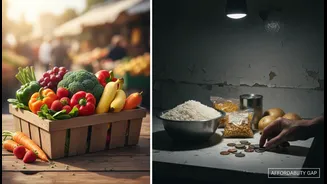
This evolving nutritional landscape means India is now fighting a war on two fronts, a situation experts call the "double burden of malnutrition." In the same community, and sometimes even within the same family, you can find an undernourished, stunted child and an overweight adult suffering from diabetes. This reflects a broken food environment where access to nutritious, diverse food is not guaranteed. Rural areas still grapple with undernutrition, while urban centres are the epicentre of the obesity crisis, fueled by the availability of cheap, energy-dense processed foods. This dual challenge requires a sophisticated policy response that goes beyond simply ensuring food quantity to focusing on nutritional quality.