


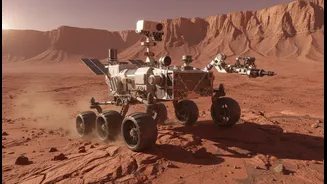

Introducing the Mars Sample Return
The next great leap in our journey to the Red Planet isn't a single rover, but a complex, multi-stage campaign called Mars Sample Return (MSR). This joint endeavor between NASA and the European Space Agency (ESA) is designed to do something unprecedented:
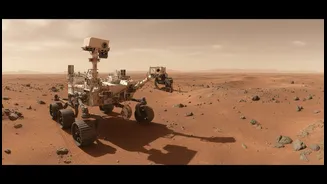
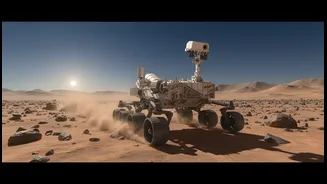
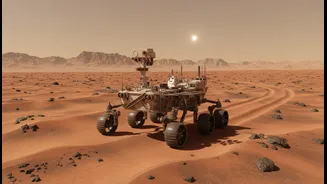
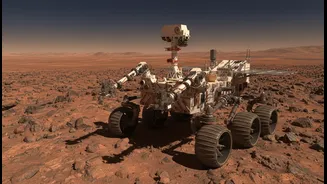
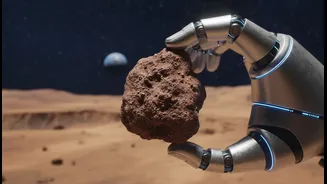
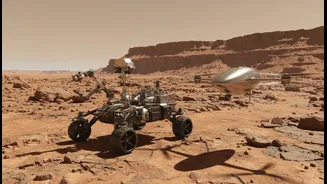
collect rock, soil, and atmospheric samples gathered by the Perseverance rover and bring them back to Earth. Perseverance has been drilling and caching scientifically compelling samples in Jezero Crater since its arrival in 2021, creating a treasure trove of Martian geology. The MSR program is the intricate, multi-billion dollar logistics operation to retrieve that treasure, involving multiple spacecraft and history-making technological firsts. Its primary objective is to allow scientists to study Martian material with advanced instruments too large and complex to ever send to space, potentially answering the ultimate question of whether life ever existed on Mars.
An Interplanetary Relay Race
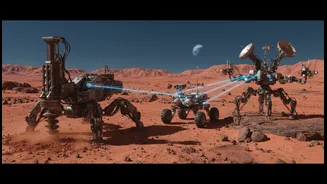
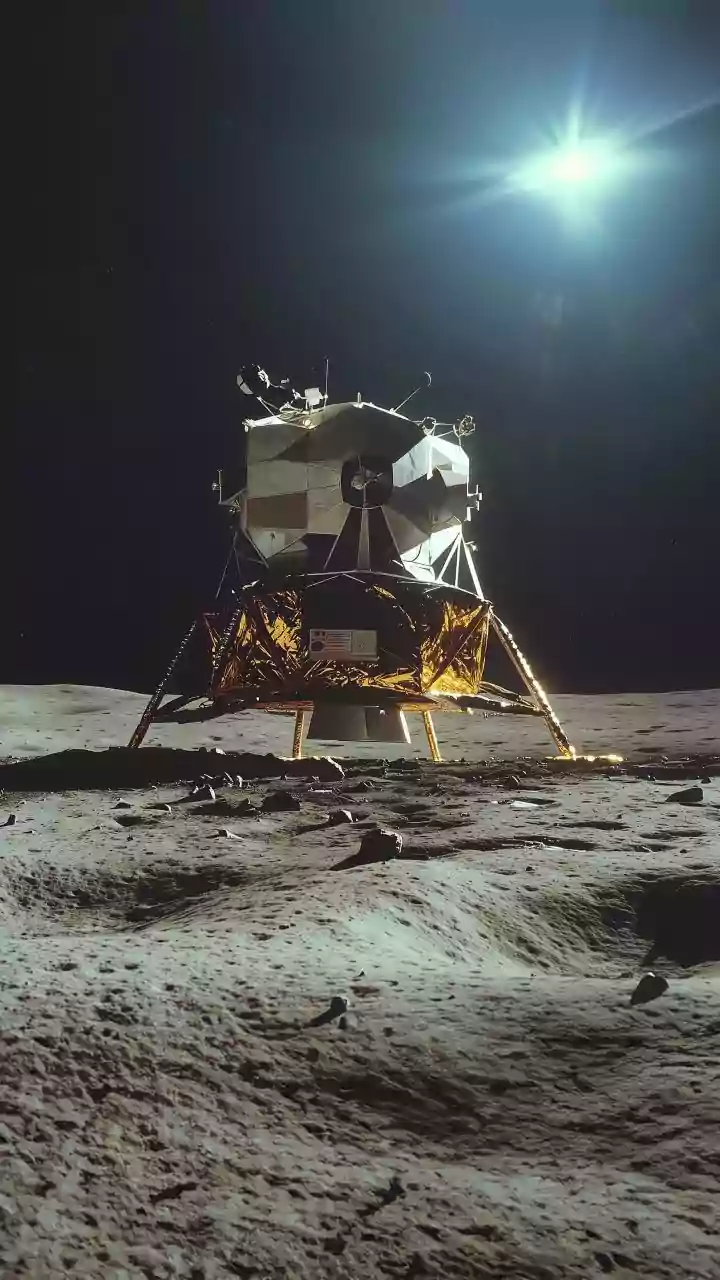
The MSR mission is best understood as a robotic relay race with three key players. First, the Sample Retrieval Lander will touch down on Mars, carrying the Mars Ascent Vehicle (MAV). This lander will collect the sample tubes cached by Perseverance. Once the samples are loaded, the second phase begins. The MAV will perform the first-ever rocket launch from the surface of another planet, carrying its precious cargo into Mars's orbit. There, the third player, ESA's Earth Return Orbiter (ERO), will perform a complex rendezvous. It will autonomously locate, capture, and securely contain the basketball-sized sample container. This will be the first time a spacecraft has captured an object in orbit around another world. After securing the samples, the ERO will fire its engines for the long journey back, a round trip of hundreds of millions of kilometers.
Transformation 1: Unlocking Next-Generation Science
Bringing samples to Earth will fundamentally transform our understanding of Mars. While rovers have incredible onboard labs, they are limited by size, power, and scope. The returned samples can be analyzed in state-of-the-art laboratories across the globe, using equipment that fills entire rooms. Scientists will be able to determine the precise age and origin of Martian rocks, search for definitive signs of past microbial life (biosignatures), and unlock the history of Mars's climate and atmosphere in unparalleled detail. It’s the difference between a field geologist taking photos and them bringing a rock back to the lab for carbon dating and microscopic analysis. Furthermore, these samples will be preserved for future generations, who can study them with technologies not yet invented, just as scientists still study the Apollo Moon samples today.
Transformation 2: A Blueprint for Human Missions
Beyond the immediate scientific return, the Mars Sample Return campaign is a crucial dress rehearsal for sending humans to Mars. Every major step in the mission is a technology that must be perfected before astronauts can safely make the journey. Successfully launching the Mars Ascent Vehicle will prove that we can get a rocket off the Martian surface—a non-negotiable requirement for bringing a human crew home. The automated rendezvous and capture performed by the Earth Return Orbiter will validate the systems needed for future crewed vehicles to dock in Mars orbit. The mission will also provide invaluable data on the Martian environment, including the properties of dust that could pose hazards to human health and equipment. Mastering this complex robotic sequence reduces the risk and fills critical knowledge gaps, paving a direct and tangible path toward the first human footsteps on Mars.