





A Different Kind of Cold
Let’s get one thing straight: kulfi is not just Indian ice cream. While ice cream is light and airy, whipped to incorporate as much air as possible, kulfi is its dense, decadent cousin. The traditional process involves slowly simmering full-fat milk for
hours, allowing it to reduce and caramelise, creating a rich, nutty flavour base known as rabri. This mixture is then flavoured with cardamom, saffron, or pistachios before being frozen. The result is a creamy, solid dessert that melts slowly and luxuriously on the tongue, a quality that makes it the perfect opponent for a sweltering summer afternoon. Its very density is a testament to a time when patience was a key ingredient in every recipe.
The Magic of the Leaf
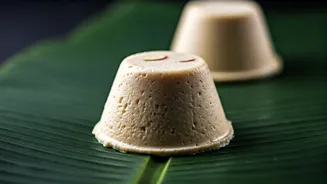
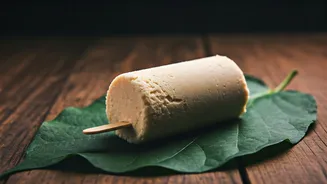
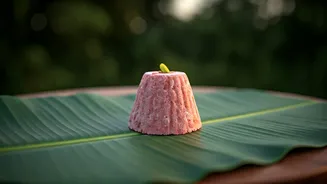
The true magic, however, lies in its traditional packaging. Long before the advent of plastic cups or disposable wrappers, vendors served kulfi pressed into a mould and wrapped in a leaf, often a Sal or Maljhan leaf, tied with a simple thread. This wasn't just a matter of necessity; it was an act of culinary genius. The leaf served multiple purposes. Firstly, it was a perfect, biodegradable container, a lesson in sustainability we are only now trying to relearn. Secondly, it acted as an insulator, helping the kulfi stay frozen just a little longer in the oppressive heat. Most importantly, the leaf imparted a subtle, earthy fragrance to the kulfi. As you unwrapped your treat, the faint, clean scent of the leaf would mingle with the sweet aroma of cardamom and saffron, creating a multi-sensory experience that a plastic cup could never replicate.
A Taste of Memory
For many, the leaf-served kulfi is not just a dessert; it’s a time machine. It evokes memories of childhood summers, of waiting for the distinctive sound of the kulfiwallah’s bell or cart approaching in the late afternoon. It’s the memory of pooling pocket money with friends to buy a shared treat, of carefully peeling back the leaf to reveal the icy treasure within, and of savouring every last drop before it melted down your fingers. This wasn't a treat to be eaten in a hurry. The experience was communal, a small ritual that punctuated the long, lazy days of summer vacation. The leaf itself was part of the story, a tactile connection to nature and a simpler time.
The Kulfiwallah’s Craft
The traditional kulfiwallah was both a chef and a magician. The freezing process itself was a marvel of pre-refrigeration science. Kulfi moulds were placed in a large earthen pot, or matka, which was filled with a mixture of ice and salt. The salt lowers the freezing point of the ice, creating a super-chilled brine that could freeze the kulfi mixture solid without a modern freezer. The vendor would constantly churn the pot to ensure even freezing, a physically demanding job that required skill and stamina. This artisanal method contributed to kulfi’s unique crystalline, yet smooth, texture.
Finding Tradition Today
Today, finding an authentic leaf-wrapped kulfi can feel like a treasure hunt. The convenience of plastic and the industrialisation of food production have made it a rarity. However, the tradition is not entirely lost. In the narrow lanes of older cities and at speciality food festivals, the leaf-served kulfi still makes an appearance. Furthermore, a new wave of artisanal dessert makers, keen on reviving traditional practices, are bringing back the leaf, celebrating it not as a compromise but as a premium feature. They understand that what they are selling is not just a dessert, but a story—a delicious piece of our shared heritage.