





Decoding the Colours: What IMD Warnings Mean
The India Meteorological Department (IMD) uses a simple colour-coded system to issue warnings about upcoming weather. Understanding these is the first step to a safer commute. Each colour represents a different level of severity and recommended action.
Green (No Advisory): This means all is well. Expect normal weather conditions with, at most, light scattered showers. Your travel plans should not be affected. Yellow (Be Aware): A yellow alert indicates potentially bad weather over the next few days. For commuters, this means moderate rainfall is possible, which could lead to minor disruptions like waterlogging in low-lying areas. It’s a signal to stay updated and plan ahead. Orange (Be Prepared): This is a serious alert for extremely bad weather. It is typically issued when heavy to very heavy rainfall (115.6 mm to 204.4 mm in 24 hours) is expected. Commuters should anticipate significant disruptions, including major traffic jams, flooded streets, and potential power outages. Non-essential travel should be reconsidered. Red (Take Action): This is the highest level of warning, issued for extremely severe weather conditions, such as rainfall exceeding 204.5 mm in 24 hours. A red alert indicates a significant threat to life and property. Widespread flooding and major disruption to all services are highly likely. The advice is simple: avoid travel unless absolutely essential and follow instructions from local authorities.
Where to Find Reliable and Timely Alerts
To make use of these warnings, you need to know where to find them. Relying on rumours or unverified social media posts can be misleading. For official information, use the platforms provided by the IMD. The most direct sources are the IMD's official website (mausam.imd.gov.in) and its mobile app, 'MAUSAM'. The app provides location-specific forecasts, radar images, and district-wise warnings. You can enable notifications for rain alerts to stay proactively informed. Other government-supported apps like 'UMANG', 'Meghdoot' (for farmers), and 'Damini' (for lightning alerts) also provide valuable, verified weather information.
Your Commute Plan for a Yellow Alert
When a Yellow alert is issued, there's no need to panic, but it is time to be cautious. Check your planned route for known waterlogging spots. Leave a little earlier than usual to account for potential delays. Ensure your phone is fully charged and consider packing a power bank. It's also wise to have a waterproof bag or cover for electronics and important documents. On the road, maintain a greater distance from the vehicle ahead, as braking distances increase on wet surfaces. Be especially considerate to two-wheelers and pedestrians, whose visibility and control are more compromised.
Navigating an Orange Alert Day
An Orange alert signals a high probability of disruption. The best course of action is to critically evaluate your need to travel. If you can work from home or postpone your plans, do so. If you must commute, expect significant delays. Inform your workplace you may be late. Before leaving, check real-time traffic updates and advisories from local authorities. Avoid routes that pass through underpasses or low-lying areas prone to severe flooding. For two-wheeler riders, an Orange alert is a strong signal to switch to a safer mode of transport if possible. A poncho or raincoat is essential, but heavy rain and wind can still make riding dangerous.
Red Alert: Prioritising Safety Above All
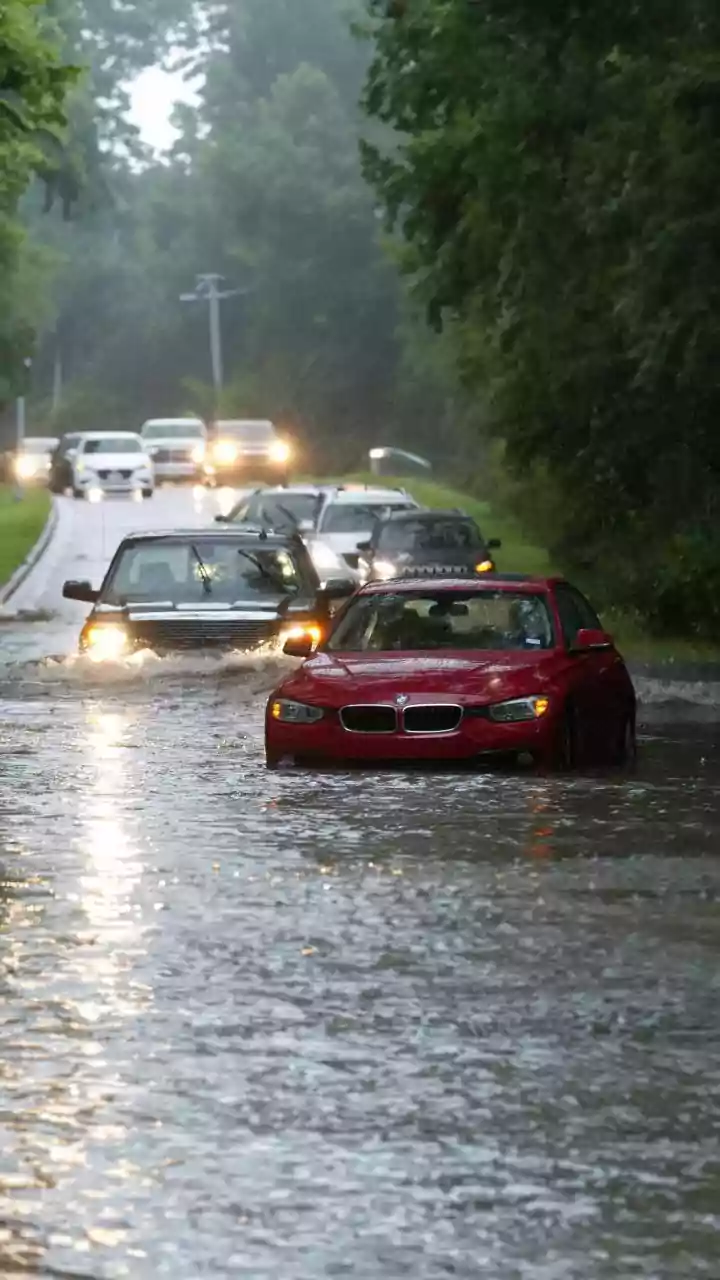
A Red alert means 'Take Action', and the most important action is to protect yourself by staying put. During a red alert, commuting is extremely hazardous. Roads are likely to be impassable due to severe waterlogging, and there is a real risk from hidden potholes or open manholes. Public transport services may be suspended. Follow the guidance of disaster management authorities; if they advise staying home, it is for your safety. Do not attempt to drive or walk through flooded streets—just a few inches of flowing water can be enough to move a vehicle or knock a person off their feet.
Vehicle Prep: A Monsoon Essential
Regardless of the alert level, a well-prepared vehicle is crucial for monsoon safety. Before the season starts, get your car or two-wheeler checked. Key areas include tyres, brakes, and wipers. Your tyres need adequate tread to grip slippery roads and prevent aquaplaning. Ensure your brakes are in top condition. Replace worn-out wiper blades that leave streaks, as clear visibility is non-negotiable in a downpour. Also, check that all your lights—headlights, taillights, and indicators—are clean and functioning perfectly so you can see and be seen.