




The Science of a Stressed Cow
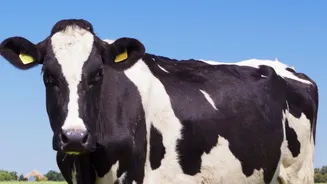
Like humans, cows need to maintain a stable body temperature. They are most comfortable within a specific climatic range. When temperatures and humidity rise, they struggle to dissipate heat effectively, leading to a condition known as heat stress. This
isn't just about feeling hot; it's a physiological crisis. A key metric used by farmers is the Temperature-Humidity Index (THI). Research shows that once the THI value surpasses 68, dairy cows begin to experience stress. Their breathing rate increases, they eat less, and they divert energy from producing milk to the vital task of simply trying to cool down. Studies have shown this can lead to a significant drop in milk yield, sometimes by as much as 10-30%, and also affects the milk's quality by reducing its fat and protein content.
India’s Dairy Lifeline Under Pressure
As the world's largest milk producer, India's dairy sector supports over 80 million farmers, making it a critical pillar of the rural economy. However, recent studies, particularly in major milk-producing regions like Haryana, have documented the severe impact of climate change. The combination of temperatures exceeding 38°C and humidity above 70%, especially during the monsoon overlap, creates a dangerous environment for livestock. Buffaloes, with fewer sweat glands than cattle, are particularly vulnerable. The result is a tangible drop in milk production. Some analyses estimate that India is already losing over 3 million tonnes of milk annually due to heat stress, with an economic cost running into thousands of crores. Projections suggest this loss could escalate significantly in the coming decades if current climate trends continue.
The Ripple Effect on Farmers and Consumers
The consequences of reduced milk production extend far beyond the farm gate. For smallholder farmers, who form the backbone of India's dairy industry, less milk means a direct hit to their income. This is often compounded by increased veterinary costs, as heat-stressed animals are more susceptible to diseases and have lower fertility rates. The reduced reproductive efficiency can lead to slower herd growth, impacting long-term productivity. For consumers, a consistent decline in milk supply could eventually translate to higher prices for milk and other dairy products. This poses a challenge to nutritional security, especially for households that rely on affordable dairy as a key source of protein. The economic strain on farmers and potential price volatility for consumers highlight the widespread vulnerability to this climate-linked issue.
Searching for Solutions in a Warming World
The challenge is immense, but so is the push for adaptation. Across India, farmers and scientists are exploring strategies to mitigate heat stress. Simple, low-cost measures include providing adequate shade and ensuring a constant supply of clean, cool drinking water. More advanced solutions involve modifying the animals' immediate environment through better-designed sheds with improved ventilation, fans, and sprinkler or misting systems that help cool the cows through evaporation. Nutritional management is also crucial, with adjustments to feed that can help cows better cope with the heat. In the long term, research is also focused on breeding more heat-tolerant cattle, including promoting indigenous Indian breeds like the Gir and Sahiwal, which are naturally more resilient to hot climates than many cross-bred varieties. These multi-pronged efforts are essential to building a more climate-resilient dairy sector.