






The Appeal of Premium Pet Food
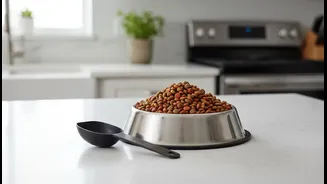
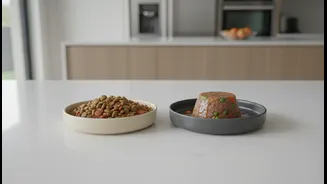
Walking down the pet food aisle can be overwhelming. Brands now offer everything from grain-free kibble to formulas that look like they belong in a five-star restaurant. As pet owners, we’re increasingly drawn to these “fancy” options, motivated by a desire
to provide the absolute best for our companions. The marketing is appealing, with promises of shinier coats, higher energy levels, and better overall health. These premium foods often boast human-grade ingredients and are free from common fillers, making them a tempting choice for any dedicated pet parent wanting to upgrade their pet’s diet. The decision almost always comes from a place of love, but it’s a change that needs to be handled with care.
Why a Sudden Switch Causes Trouble
A pet's digestive system is a creature of habit. Their gut contains a delicate balance of bacteria that becomes accustomed to breaking down specific ingredients. When you suddenly switch foods, this system gets a shock. The gut bacteria may struggle to process the new proteins, fats, and fibres, leading to common signs of gastrointestinal upset like diarrhoea, vomiting, gas, and loss of appetite. This isn't necessarily a sign that the new food is bad; rather, it’s a reaction to an abrupt change. Both dogs and cats are sensitive to these shifts, but cats can be particularly finicky about food texture and temperature, making them even more resistant to change.
It's About More Than a Tummy Ache
The disruption from a food change isn't just physical. Pets, especially dogs, thrive on routine, and mealtimes are a cornerstone of their day. A sudden switch can cause behavioural issues you might not expect. Your pet might refuse the new food, leading to stress for both of you. They might become lethargic or anxious around their bowl. In some cases, a new diet can lead to changes in energy levels, causing a normally calm pet to become hyperactive or an active pet to seem sluggish. Maintaining a consistent feeding schedule—same time, same place, same bowl—can help provide some stability during the transition.
The Right Way to Make a Change
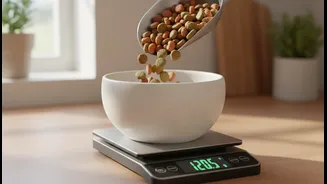
The key to a successful food transition is to do it gradually. Veterinarians and experts recommend a slow switch over a period of 7 to 14 days, though some sensitive pets may need even longer. Start by mixing a small amount of the new food with their old food—a ratio of about 25% new to 75% old is a good starting point. Every few days, increase the amount of new food and decrease the old, until you’ve fully transitioned to the new diet. This slow introduction gives your pet’s digestive system time to adapt. During this time, it's also wise to avoid introducing other new treats or foods that could complicate the process.
When It's Not Just a Transition Problem
While most issues are due to a rushed transition, sometimes the new food is genuinely not a good fit. It’s important to distinguish between temporary digestive upset and a true food intolerance or allergy. A food intolerance is a digestive issue, while an allergy involves an immune system response and often presents with skin problems like persistent itching, rashes, or chronic ear infections. If your pet’s symptoms persist or worsen despite a slow transition, or if you notice signs of an allergic reaction, it's time to stop the new food and consult your veterinarian. They can help determine the underlying cause and recommend a diet that truly suits your pet's needs.