




The Indispensable Role of the Editor
Generative AI can produce vast quantities of text, but it’s often a first draft at best. These systems lack the nuanced understanding required for high-quality writing. A human editor is essential to ensure accuracy, coherence, and ethical integrity.
AI models can “hallucinate” or present false information with unnerving confidence, making human fact-checking more critical than ever. Editors also shape the tone and style to align with a brand’s voice, a task AI struggles with. They infuse content with empathy and originality, transforming robotic text into a compelling narrative that resonates with a human audience. While AI is efficient, editors provide judgment, context, and a crucial layer of quality control that algorithms cannot replicate.
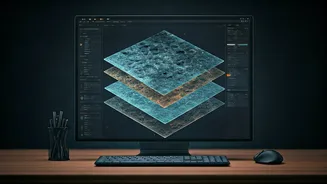
Why Designers Still Own the Vision
AI image generators can produce stunning visuals, but they don't solve design problems. A human designer’s role goes far beyond creating an image; it involves translating a brand’s essence and strategy into a cohesive visual language. AI often misses the cultural context and emotional nuance that make a design effective. It can replicate styles but struggles to create something truly original or understand the feeling a design needs to evoke. Designers interpret client needs, reading between the lines of a brief in a way no algorithm can. They consider how a design functions across different applications, ensuring everything from a logo's transparent background to the color contrast on a webpage is effective and accessible—details AI frequently gets wrong. AI is a powerful tool for ideation, but human designers remain the strategic and empathetic problem-solvers.
Taste: The Ultimate Human Advantage
In a world flooded with AI-generated content, the most valuable skill is taste. Taste is not just about aesthetics; it is the critical judgment to know what is good, what is relevant, and what will connect with an audience. While AI can recognize patterns in existing data, it cannot generate a genuine point of view or decide what should come next. That requires human experience, cultural understanding, and intuition. The value of creative professionals is shifting from pure execution to curation and direction. Their ability to see connections, understand context, and recognize why a particular idea resonates is what transforms generic output into something meaningful. As content becomes infinite, human taste is the filter that will determine what matters.
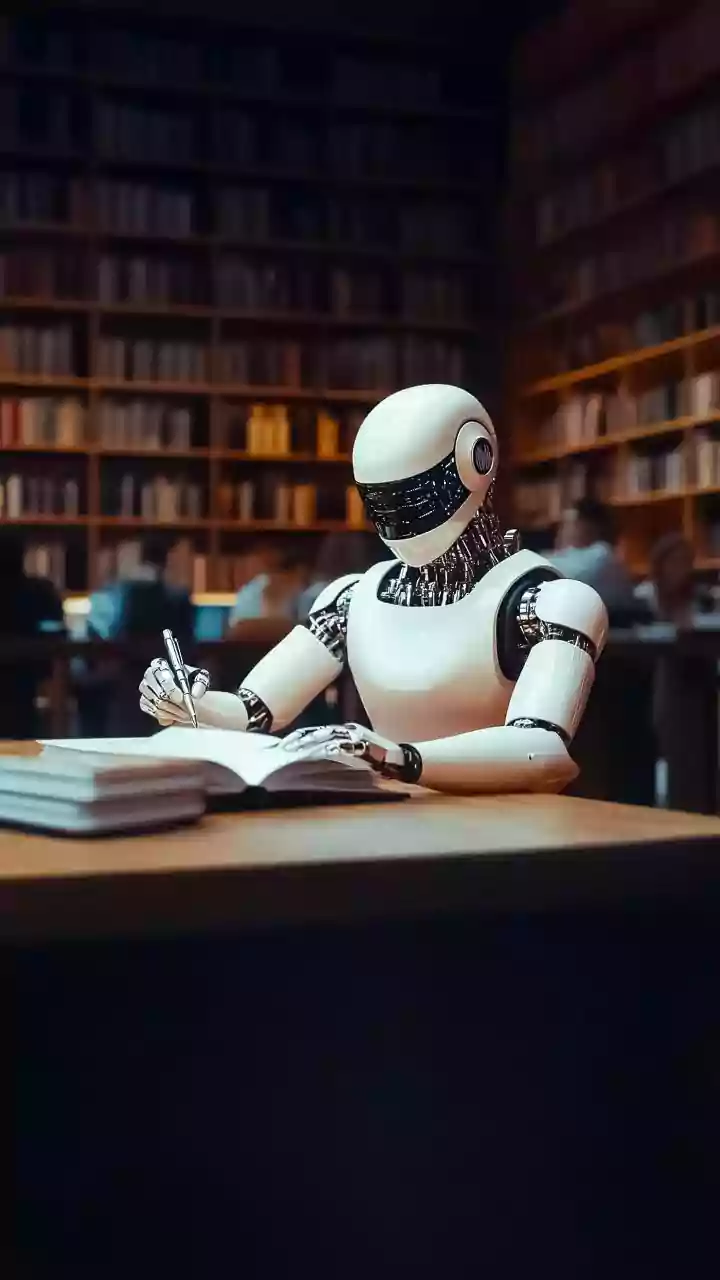
The New Creative Professional: The AI Director
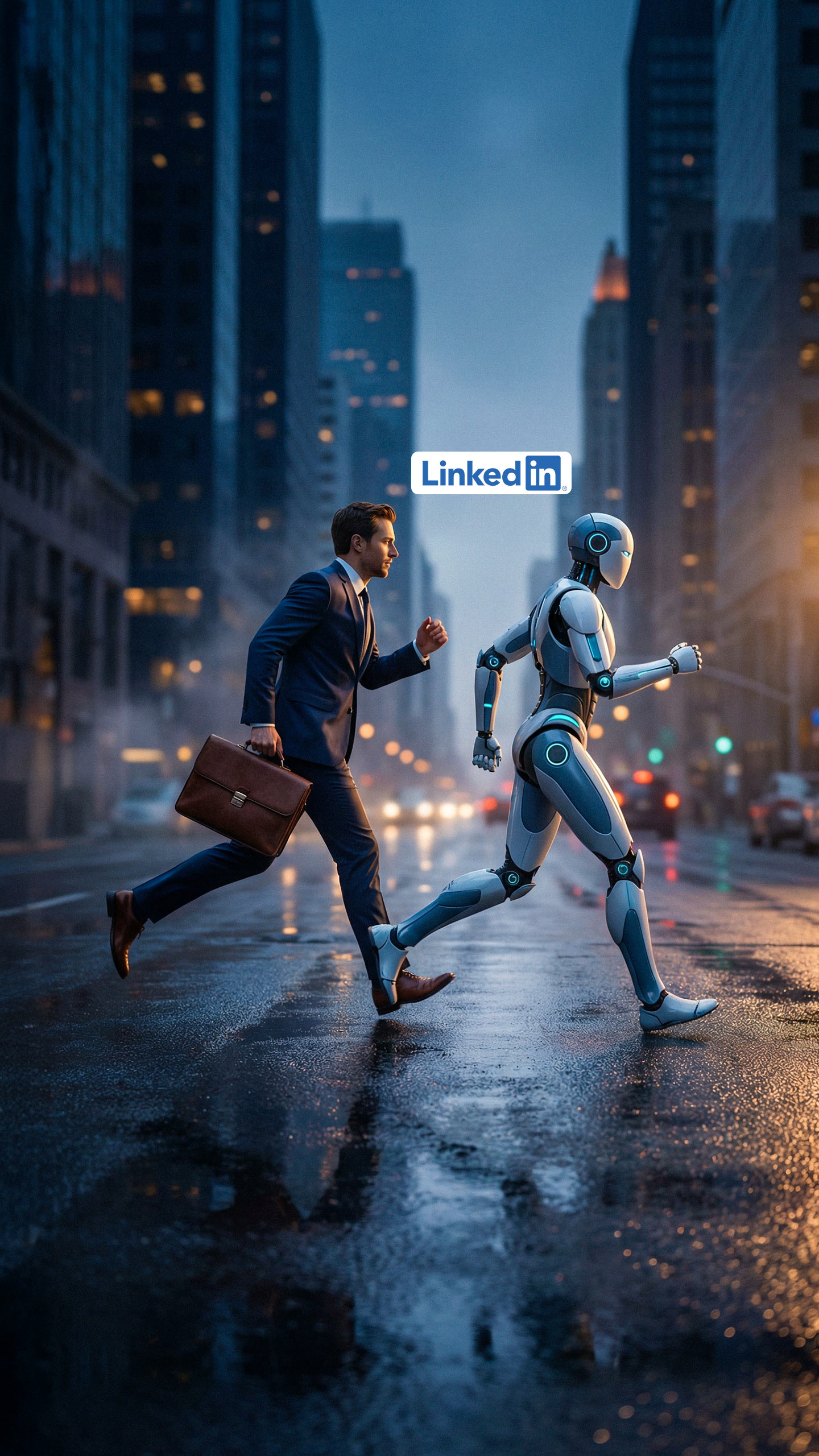
The rise of AI doesn't spell the end of creative jobs; it's transforming them. The creative professional of tomorrow is less of a hands-on maker and more of a director, guiding AI systems to produce better outcomes. This has given rise to new roles like the "prompt engineer," an expert in crafting the perfect instructions to get the desired result from an AI. This role requires a deep understanding of language, analytical skills, and the ability to break down complex tasks into manageable parts for the AI to execute. Ultimately, the most successful creative work will come from a human-AI collaboration. AI can handle the repetitive tasks, generate variations, and accelerate production, freeing up humans to focus on strategy, innovation, and the high-level decisions that require judgment and taste. The future isn't AI versus human, but AI with human oversight.