




What is Dark-Sky Tourism?
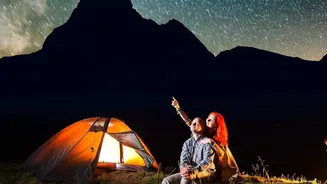
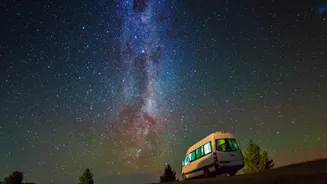
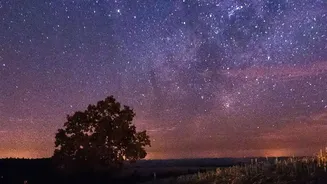
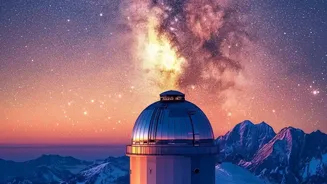
Often called 'astrotourism' or 'noctourism', this travel trend is built around visiting places with little to no light pollution to see the night sky as nature intended. It involves travelling for celestial events like meteor showers, chasing auroras,
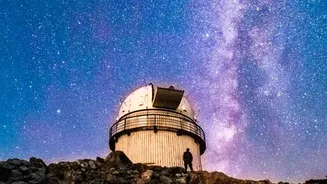
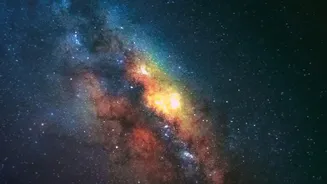
or simply experiencing the breathtaking sight of the Milky Way arching across the sky. Driving this movement are organisations like Dark Sky International, which certifies locations as official 'Dark Sky Places'. These reserves, parks, and communities are committed to preserving the night through responsible lighting, ensuring the stars remain visible for generations to come. The trend is booming, with the global astro-tourism market projected to grow significantly as more travellers seek out these unique, screen-free experiences.
Why We're All Looking Up
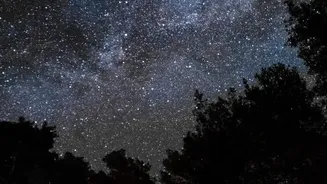
The appeal of a dark sky is about more than just a pretty view. For many, it’s a form of digital detox and a way to reconnect with the natural world. In an age of constant connectivity, the quiet contemplation of the cosmos offers a powerful sense of perspective and awe. This search for authentic, meaningful experiences is a major driver of the trend. Furthermore, with over 80% of the world's population living under light-polluted skies, a truly dark night has become a novelty. The desire to witness a sky filled with thousands of stars, a sight common to our ancestors but alien to many today, is a powerful motivator for travellers. It’s a chance to see planets, galaxies, and constellations that are simply invisible from our cities and towns.
India's Celestial Havens
India, with its diverse and dramatic landscapes, offers some incredible destinations for stargazers. The undisputed crown jewel is Hanle in Ladakh, home to India’s first-ever designated Dark Sky Reserve. Situated at a high altitude with an arid climate, Hanle provides exceptionally clear and dark skies, making the Milky Way brilliantly visible. Another Himalayan hotspot is Spiti Valley in Himachal Pradesh. The cold desert's remote villages like Kaza and Kibber serve as perfect, silent observatories for a star-studded spectacle. Beyond the Himalayas, the vast, flat expanse of the Rann of Kutch in Gujarat offers a surreal setting, where the stars stretch from horizon to horizon over the white salt desert. In the south, the remote coffee plantations of Coorg in Karnataka also provide clear, dark skies away from city lights.
Planning Your Stargazing Trip
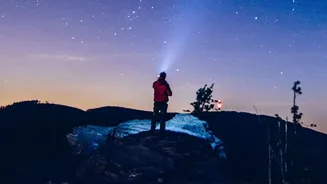
A successful stargazing trip requires a little planning. First and foremost, check the lunar calendar. The best time for stargazing is during a new moon, when the sky is at its darkest. Even a crescent moon can wash out fainter stars. Winter is often an ideal season, as the cold air tends to be clearer and less hazy. You don’t need expensive equipment to start; a good pair of binoculars can reveal stunning details of the moon and brighter celestial objects. There are also many smartphone apps that can help you identify stars, planets, and constellations. Remember to pack warm layers, as temperatures can drop significantly at night, even in the desert. Finally, and most importantly, allow your eyes at least 20-30 minutes to fully adapt to the darkness, avoiding bright phone screens or white flashlights. Use a red-light torch if you need to see, as it won't spoil your night vision.