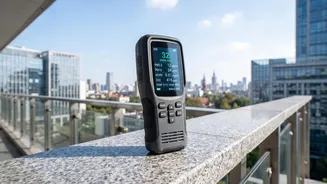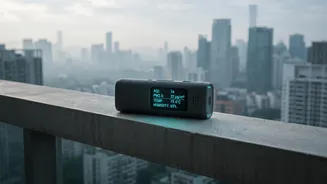







An outdoor winter wedding is magical, but dropping temperatures in many Indian cities bring a familiar foe: air pollution. Planning your special day requires more than just weather watching; it demands a clear eye on the Air Quality Index (AQI).
What Is AQI and Why It Matters
The Air
Quality Index, or AQI, is a simple tool for communicating how polluted the air is. It converts complex data about various pollutants—like PM2.5 and PM10, which are tiny, harmful particles—into a single number and a colour-coded scale. In India, the scale typically runs from 'Good' (0-50) to 'Severe' (401-500). For an outdoor event, this number is critical. An AQI above 100 ('Moderate') can cause breathing discomfort for sensitive groups, including children and the elderly. Once it crosses 200 ('Poor'), even healthy individuals can feel the effects after prolonged exposure, making it a significant health concern for your guests.
Your Go-To AQI Tracking Tools
Staying informed is your first line of defence. Fortunately, several reliable apps and websites provide real-time and forecasted AQI data for Indian cities. The government's official app, 'Sameer', pulls data directly from the Central Pollution Control Board's (CPCB) monitoring stations, making it a highly credible source. It provides hourly updates for over 100 cities. For broader coverage and user-friendly forecasts, apps like IQAir AirVisual and Plume Labs (now part of AccuWeather) are excellent choices. They often provide 72-hour or even 7-day forecasts, which are invaluable for event planning. Even Google Maps has integrated a real-time AQI layer, making it easy to check conditions at a glance.
When to Track and How to Decide
Don't wait until the day before your event to check the AQI. Start monitoring the forecast at least a week in advance to understand the trend. Air quality often fluctuates throughout the day. In many cities, pollution levels are highest in the early morning and late evening. If possible, scheduling the main festivities for the afternoon can be a strategic move to take advantage of potentially better air quality. If the forecast consistently shows 'Very Poor' or 'Severe' AQI levels for your event day, it is crucial to have a contingency plan. This is the point where you should seriously consider moving your event indoors or implementing significant protective measures.
A 'Plan B' for Bad Air Days
You can't control the air, but you can control your preparedness. The most effective 'Plan B' is having an indoor venue on standby. If that's not feasible, there are other steps you can take. Inform your guests about the potential for poor air quality and consider providing high-quality N95 masks; they can be offered in customised packaging to match your event's decor. For smaller, contained outdoor spaces, renting commercial-grade outdoor air purifiers can help reduce particulate matter in the immediate vicinity of your guests. Also, ensure your venue has an easily accessible indoor area where elderly guests and children can take a break from the outdoor air.
Communicate With Your Guests
Clear communication is key. Let your guests know you are monitoring the situation. A small note on your wedding website or in a pre-event message can set expectations. Frame it positively: 'We are monitoring the weather and air quality to ensure everyone's comfort and safety'. If you decide to provide masks or have designated 'clean air' zones, inform your guests so they know these resources are available. This shows you are a thoughtful host and allows individuals with health concerns, such as asthma, to plan accordingly. Ultimately, being proactive about air quality is another way to care for the people celebrating with you.