





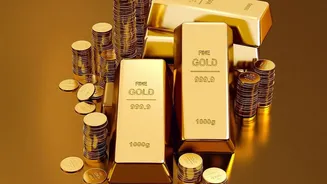

The Story Behind the Record Highs
Not long ago, gold prices were climbing to unprecedented levels. In January 2026, 24-carat gold reached a peak of around Rs 1,83,000 per 10 grams. This surge wasn't random; it was driven by a combination of global economic uncertainty, rising inflation,
and strong investor demand for safe-haven assets. When investors lose confidence in currencies and stocks, they often turn to gold, pushing its price up. In India, a weaker rupee against the US dollar also made imported gold more expensive, adding to the domestic price rise. The headline figure of Rs 1.8 lakh reflects this peak, a level that made many potential buyers pause. It's important to note, however, that this recent peak was for 10 grams, a standard unit for gold investment.
What 'Correction' Actually Means
In financial markets, the term 'correction' refers to a price decline of at least 10% from a recent peak. It's a natural market movement, often happening after a rapid price increase as investors start selling to lock in their profits. The recent dip in gold prices is a classic example. After hitting record highs, a correction was almost inevitable. For instance, in mid-November, prices for 24-carat gold fell to around Rs 1.36 lakh per 10 grams, a significant drop from the peak. This is not necessarily a sign of a long-term crash but rather the market rebalancing itself after a period of intense buying. Think of it as the market taking a breather.
Why Are Prices Falling Now?
Several factors are contributing to this downward trend. A stronger US dollar is a primary driver; since gold is priced internationally in dollars, a stronger dollar makes gold more expensive for buyers using other currencies, which can reduce overall demand. Additionally, expectations of interest rate hikes by central banks like the US Federal Reserve make other investments, such as bonds which offer guaranteed returns, more attractive than gold, which pays no interest. This 'opportunity cost' prompts some investors to sell gold and move their money elsewhere, increasing supply and pushing prices down. In India, a slight cooling in demand after the main Diwali festive rush and higher import duties have also played a role.
A Golden Opportunity for Festive Buyers?
This price correction has coincided with India's bustling festive and wedding season, which traditionally sees a spike in gold purchases. The lower prices have reinvigorated the market, with jewellers reporting a significant increase in sales. During the recent Dhanteras-Diwali period, gold demand reportedly rose by 30% in volume compared to last year, with consumers buying an estimated 52 tonnes of the yellow metal. For many, the dip from the Rs 1.8 lakh peak to around Rs 1.42 lakh per 10 grams was the incentive needed to make a purchase they had been postponing. With the wedding season now in full swing, this trend of robust demand is expected to continue as long as prices remain off their all-time highs.
What Should You Consider Before Buying?
While the current correction presents a buying opportunity, it's wise to remain cautious. Gold prices are notoriously volatile and are influenced by a complex web of global and domestic factors. Before making a significant purchase, check the live rate, as prices can change throughout the day. Remember that the final price of jewellery will be higher than the base gold rate due to making charges and GST. For those focused purely on investment, options like digital gold or gold Exchange Traded Funds (ETFs) offer a way to own gold without the additional costs of jewellery. Consumers are also adapting by opting for lighter-weight jewellery or exchanging old items to manage costs. Ultimately, the decision to buy depends on your personal financial situation and long-term goals.