


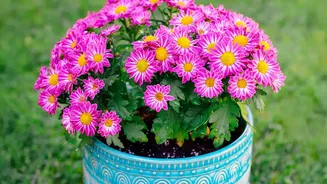
A Burst of Colour for the Festive Season
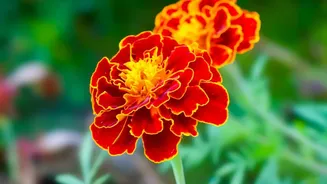
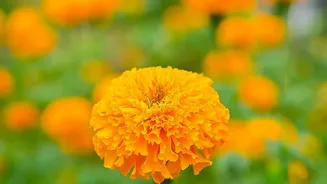
October marks a special time in the Indian calendar. The air is cooler, the light is softer, and the festive season, including Navratri, Dussehra, and the run-up to Diwali, is in full swing. It is no coincidence that this is precisely when marigolds (Genda)
and chrysanthemums (Guldaudi) are at their blooming best. Their flowering cycle is perfectly aligned with this period of celebration, making them the natural choice for decorations, offerings, and bringing a joyful ambience to our homes. Their brilliant yellows, oranges, and reds are considered auspicious and echo the tones of prosperity and positivity that define these festivals.
The Enduring Charm of Marigolds (Genda)
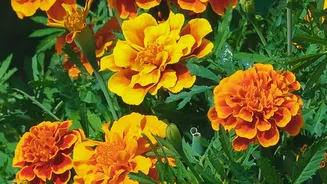
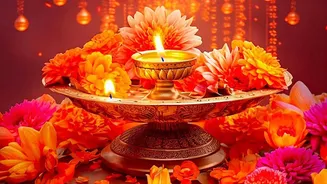
The marigold is more than just a flower in India; it's a cultural icon. Its bright, sun-like colours are deeply woven into Hindu rituals, symbolising auspiciousness, purity, and positive energy. Marigolds are offered to deities like Lord Ganesha and Goddess Lakshmi, representing devotion and the invitation of prosperity into the home. But their popularity is also practical. Marigolds are incredibly hardy. They are strung into torans (door garlands) and used in rangoli because they are durable, holding their shape and colour for days without wilting. This toughness, combined with their strong fragrance that is believed to ward off negativity and pests, makes them the structural flower of Indian festivities.
The Graceful Elegance of Chrysanthemums (Guldaudi)
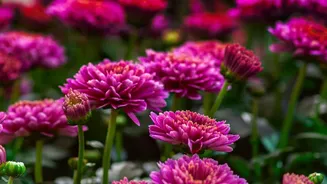
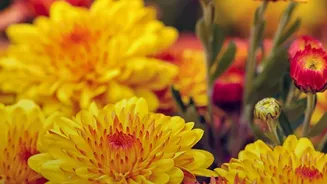
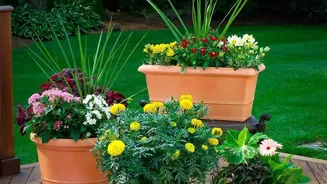
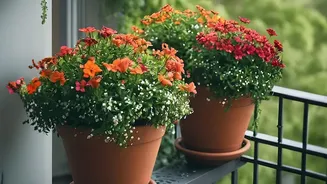
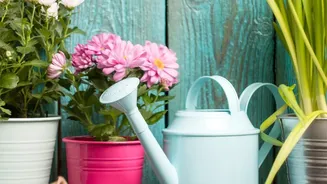
If the marigold is the vibrant heart of the festivities, the chrysanthemum, or Guldaudi, is its elegant soul. Known as the 'queen of winter flowers', chrysanthemums begin their spectacular bloom in October, offering a breathtaking variety of forms—from small button-like flowers to large, showy pom-poms. They come in a vast palette of colours, from traditional yellows and oranges to whites, pinks, and deep magentas. In Indian culture, the Guldaudi is a symbol of happiness, optimism, and longevity. They are frequently used in temple offerings, particularly during Diwali, and are a staple of flower shows across the country. Their long-lasting blooms make them perfect for floral arrangements and as beautiful potted plants that can brighten a balcony or entrance for weeks.
Simple Care for Abundant Blooms
One of the best reasons to welcome these plants into your home is their relative ease of care. Both thrive in conditions common to Indian households. They love sunshine, requiring at least six hours of direct sunlight daily to produce abundant flowers. When it comes to soil, they are not overly fussy but perform best in a well-draining mixture; soggy soil is their biggest enemy. For watering, a simple rule applies: water them thoroughly when the top inch or two of soil feels dry. In containers, this might mean watering every couple of days, especially in warmer weather. With this basic care, even novice gardeners can enjoy a profusion of blooms right through the festive season and into the winter months.