




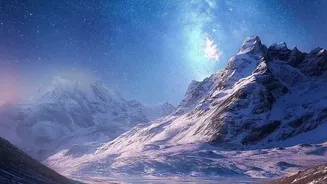
The Advantage of Altitude
Most of Spiti Valley lies at an average elevation of over 12,000 feet, with villages like Langza and Komic pushing past 14,000 feet. At this height, you are literally above a significant portion of the Earth’s atmosphere. This thinner air contains less
dust, pollutants, and turbulence—the elements that cause stars to twinkle and obscure faint celestial objects. With less atmospheric distortion, the light from distant stars and galaxies reaches your eyes with remarkable clarity, making them appear brighter and steadier. It’s the closest many of us will get to viewing space from space.
A Desert in the Rain Shadow
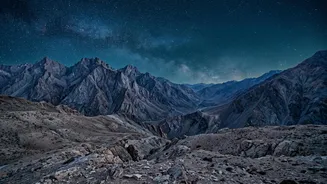
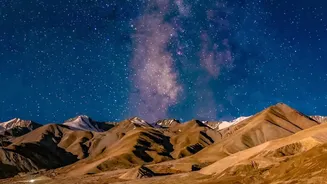
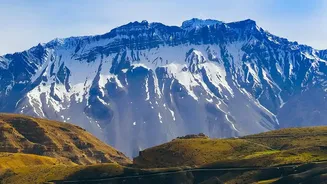
Spiti is a cold desert, a landscape defined by stark, barren mountains and minimal vegetation. Crucially, it lies in the rain shadow of the great Himalayan range, which blocks most monsoon clouds from ever reaching the valley. This results in an exceptionally dry climate with over 250 clear nights a year. Low humidity is a stargazer's best friend; moisture in the air creates haze that scatters light and dims the view. In Spiti's crisp, arid environment, the air is incredibly transparent, allowing for stunningly clear long-exposure photography and naked-eye viewing.
The Luxury of True Darkness
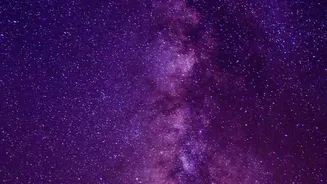
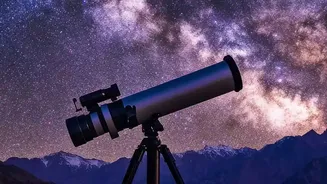
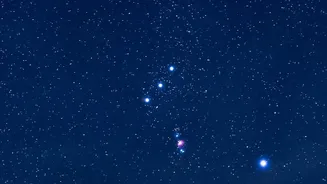
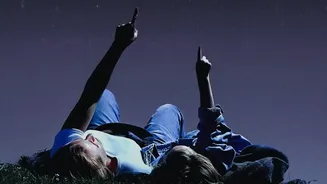
Perhaps the most critical factor is the near-total absence of light pollution. Spiti's remote location and sparsely populated villages mean there are no large cities for hundreds of kilometres to create a 'sky glow'. Villages like Langza, Kibber, and Komic are exceptionally dark, with minimal artificial lighting. This level of darkness is so profound that astronomers classify it as a Bortle Class 1 sky—the darkest possible rating. Under these pristine conditions, your eyes can fully dark-adapt, revealing the Milky Way's intricate dust lanes and structure, and even the faint glow of the Andromeda Galaxy, all visible without a telescope.
When and Where to Go
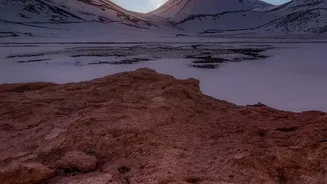
To witness the Milky Way's bright galactic core, the best time to visit Spiti is between May and September. During these months, the core is visible for several hours each night. Planning your trip around the new moon is essential, as a full moon can wash out even the darkest skies. Some of the most celebrated spots for stargazing are the high-altitude villages of Langza, known for its iconic Buddha statue, Komic, and Kibber. The serene Chandratal Lake, or 'Moon Lake', is another legendary location, offering the chance to see the stars reflected on its still waters.
Preparing for the Celestial Show
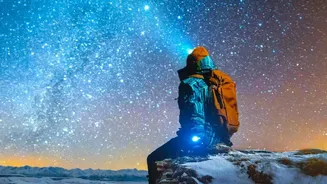
While the views are rewarding, the conditions are demanding. Acclimatisation to the high altitude is crucial to avoid mountain sickness; it's recommended to ascend gradually, perhaps by taking the route via Shimla and Kinnaur. Nights in Spiti are cold even in summer, with temperatures often dropping to near freezing, so packing layers, including thermal wear and a heavy jacket, is non-negotiable. For photographers, a sturdy tripod is essential for long exposures, and spare batteries are a must, as the cold drains them quickly. A headlamp with a red-light mode is also vital to preserve your night vision.