



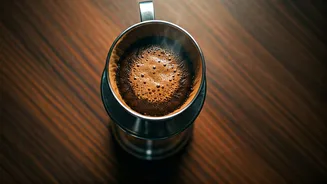


A Brewing Renaissance
For decades, filter coffee, or *kaapi*, was a cherished but largely regional staple of South India. Today, it’s undergoing a national renaissance. From Mumbai apartments to Delhi co-working spaces, the distinctive aroma of slow-brewed decoction is becoming
increasingly common. This isn't just about nostalgia; it’s a full-fledged revival. A new wave of direct-to-consumer (D2C) brands are packaging the tradition for a new generation, making authentic blends accessible across the country. [10, 12, 15] Even international chains operating in India have added filter coffee to their menus, a clear nod to its rising popularity. [13] This resurgence has been recognised globally, with South Indian filter coffee recently earning a top spot in a world ranking of coffees. [13]
The Roots of a Ritual
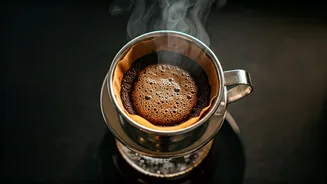
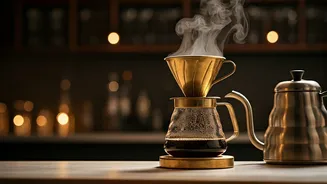
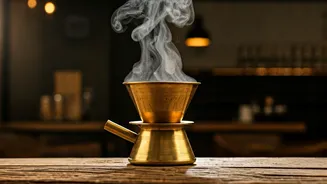
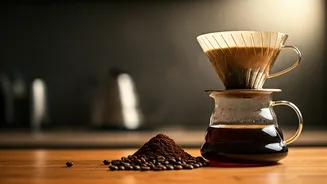
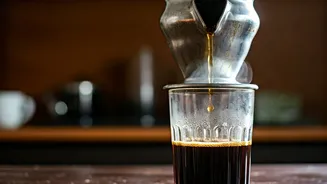
To understand its modern appeal, one must look at its past. The story of coffee in India is said to have begun in the 17th century when the Sufi saint Baba Budan smuggled seven coffee beans from Yemen and planted them in Karnataka's Chikmagalur hills. [2, 3, 4] However, the specific ritual of filter coffee became deeply embedded in South Indian culture much later. It evolved into more than a morning beverage; it became a symbol of hospitality, community, and daily ceremony. [6, 8] The process itself—using a metal filter for a slow drip, creating a potent decoction, and serving it in a traditional *davara*-tumbler—is a deliberate, mindful act that stands in stark contrast to the instant gratification of modern life. [4, 6]
An Antidote to Fast-Paced Café Culture
The second-wave coffee culture introduced Indians to lattes and cappuccinos, making them curious about different brewing styles. [9] Yet, for many, the experience can feel transactional and rushed. The filter coffee revival is, in part, a reaction to this. It represents a return to a slower, more personal form of consumption. [6] Making filter coffee at home is a ritual, not a drive-through purchase. It encourages a pause, a moment of reflection. As work-from-home culture becomes more prevalent, this daily ceremony offers a comforting structure and a tangible connection to a craft, away from the digital noise.
The Search for Authenticity and Wellness
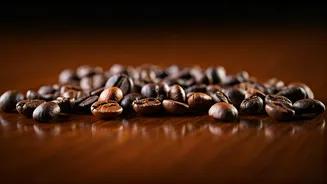
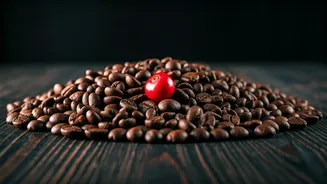
Modern consumers, particularly millennials and Gen Z, are increasingly wary of highly processed foods and beverages. There is a growing movement towards clean labels, natural ingredients, and authentic products. [9] Filter coffee, in its purest form, is simply ground coffee beans (often mixed with chicory) and hot water. [3, 9] This simplicity aligns perfectly with today's wellness trends. D2C brands are amplifying this by focusing on high-quality, single-origin beans and small-batch roasting, allowing consumers to know exactly where their coffee comes from. [10, 14] It’s a departure from anonymous industrial production and a return to trusted, traditional methods.
Redefining Modern Indian Identity
Ultimately, the filter coffee trend feels right because it mirrors a larger cultural shift. Modern India is no longer just about looking Westward; it's about confidently blending global influences with a rediscovery of its own rich heritage. Embracing filter coffee isn't about rejecting modernity; it’s about curating it. It’s a choice to integrate a piece of Indian tradition into a contemporary lifestyle. [14] It signifies a quiet confidence—the ability to appreciate a global flat white on one day and find deep satisfaction in a homemade filter *kaapi* the next. It’s a declaration that what is traditional can also be sophisticated, modern, and deeply personal.