








The New Storefront is in Their Pocket
For the 377 million-strong Gen Z population in India, shopping is no longer a destination but a constant, ambient activity. [18] The journey from discovery to purchase has been radically compressed, and the architects of this new reality are content creators.
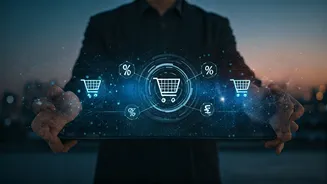
This digital-native generation discovers products not through brand websites or traditional ads, but through Instagram Reels, YouTube tutorials, and live streams hosted by creators they follow. [23] Over half of young Indian consumers first find products on social platforms, with Instagram (61%) and YouTube (52%) leading the charge. [23] This shift is fundamental; creators aren't just a new marketing channel, they have become the primary storefront for a generation that values authenticity and peer-driven trends over polished corporate messaging. [18]
The Currency of Trust
Why has this shift been so absolute? The answer lies in a single word: trust. Gen Z is inherently sceptical of conventional advertising. [5] Instead, they place their faith in authenticity and relatability—qualities that creators, particularly nano and micro-influencers, offer in abundance. [4, 14] Studies consistently show that factors like perceived expertise and trustworthiness are the strongest predictors of whether a Gen Z consumer will make a purchase based on a recommendation. [3] A recommendation from a trusted creator can collapse a purchase journey that might have taken multiple brand touchpoints into a single, decisive moment. [8] This is because creators spend months, or even years, building a relationship and accumulating trust capital with their audience. [8] A product recommendation isn't just an ad; it's a trusted friend sharing something they genuinely like. [7]
From 'Link in Bio' to Live Commerce
The mechanics of creator-led commerce have evolved rapidly. Simple 'link in bio' affiliate marketing has given way to sophisticated, integrated shopping experiences. [8] Platforms like Instagram and YouTube are no longer just for content; they are commerce engines. [9] Brands and creators now use shopping tags, in-app checkouts, and, most powerfully, live commerce. [21] Live commerce, in particular, is a game-changer. It combines entertainment with e-commerce, allowing a creator to demonstrate a product, answer questions from the audience in real-time, and offer links for immediate purchase, all within a single live stream. [10] This format creates a sense of urgency and community, replicating the social aspect of shopping in a digital environment. [22] Conversion rates during these live sessions can be significantly higher than traditional e-commerce, showing the power of combining discovery, social proof, and transaction into one event. [8, 21]
The Indian Creator-Commerce Revolution
India's creator economy is not just mimicking global trends; it's forging its own path, projected to influence over $1 trillion in consumer spending by 2030. [17] The industry is rapidly professionalising, with a growing number of creators registering as businesses and using AI tools to optimise their content. [9, 20] What makes the Indian market unique is the massive growth in regional languages and Tier 2/3 cities. [8] Social commerce is democratising access to the latest trends for consumers outside of metro areas. [18] While still in its early stages compared to markets like China, the infrastructure for a massive live commerce boom is being built. [10, 21] E-commerce giants like Flipkart and Amazon are integrating creator-led features, and dedicated live shopping platforms are emerging to cater to this growing demand. [19, 21]