





The Downfall of Constant Grazing
Travel days are often marked by long periods of sitting and waiting, making it easy to fall into the trap of mindless snacking out of boredom or convenience. While a bag of chips or a sugary coffee might seem like a quick fix, this pattern of constant
grazing can wreak havoc on your body. Every time you eat, especially processed snacks high in sugar, your body releases insulin to manage blood sugar. Frequent snacking keeps insulin levels consistently elevated, which can promote fat storage and disrupt your natural hunger cues. This leads to a frustrating cycle of energy spikes and crashes, leaving you feeling tired and irritable. Furthermore, your digestive system needs time to rest and reset between meals through a process called the Migrating Motor Complex (MMC), which cleans out undigested food and bacteria. Constant snacking interrupts this vital housekeeping process, which can lead to bloating, indigestion, and general discomfort.
The Power of Planned Meals and Timing
Shifting from a grazing mindset to one of planned meals can transform your travel experience. Eating at regular, structured intervals helps regulate your metabolism and stabilizes blood sugar levels, providing you with steady, sustained energy throughout your journey. When your body can anticipate when it will be fed, it becomes more efficient at digestion and nutrient absorption. This doesn't mean you must adhere to a rigid schedule, but creating a basic framework prevents you from getting overly hungry, a state that often leads to poor food choices and overeating. By planning for distinct meals, you are more likely to consume a balanced mix of protein, fibre, and healthy fats, which are key to feeling full and focused. This approach aligns with your body's natural circadian rhythms, supporting not just your energy and digestion, but also your mood and even sleep quality.
How to Structure Your Travel Eating
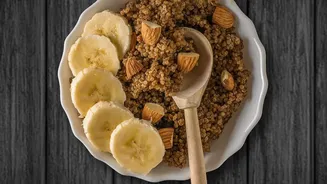
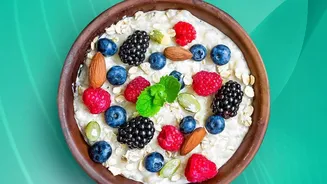
A successful travel-day food plan is about smart preparation, not deprivation. Start by eating a balanced, substantial meal before you leave home. A breakfast or lunch rich in protein and fibre, like oatmeal with nuts or a chicken sandwich on whole-grain bread, will keep you feeling full for longer and stabilize your blood sugar from the outset. For the journey itself, plan for one main meal and one or two strategic snacks. If you have a long drive, a cooler with a pre-made sandwich, wrap, or salad is an excellent choice. For air travel, where options are more limited, focus on what you can pack. Researching dining options at the airport ahead of time can also help you identify healthier choices. The goal is to avoid arriving at your destination ravenous and grabbing the first unhealthy thing you see.
Strategic Snacking, Not Mindless Munching
Adopting a timed eating plan doesn't mean you have to give up snacks entirely. The key is to be strategic. A well-chosen snack can bridge the gap between meals, prevent energy dips, and stop you from overeating later. The difference between a planned snack and mindless grazing lies in intent and nutritional value. Instead of processed, sugary options, pack snacks that provide lasting energy. Good choices combine protein, fibre, and healthy fats. Think of items like pre-portioned nuts or trail mix, cheese sticks, hard-boiled eggs, fresh fruit like apples or bananas, or whole-grain crackers with peanut butter. These options are not only easy to carry but also provide the nutrients your body needs to stay energized and satisfied.
Don’t Forget to Hydrate
Often, we mistake thirst for hunger, especially in the dry, recycled air of a plane cabin or a climate-controlled car. Dehydration can lead to fatigue, poor digestion, and unnecessary snacking. Make it a priority to drink plenty of water throughout your travel day. Carrying a reusable water bottle is a simple way to ensure you always have water on hand. Opting for water over sugary sodas, juices, and specialty coffees not only aids hydration but also helps you avoid empty calories and sugar crashes that disrupt your energy levels. Staying well-hydrated will help you feel more alert and can significantly curb the urge to snack out of boredom.