

The Hidden Cost of Traditional Rakhis
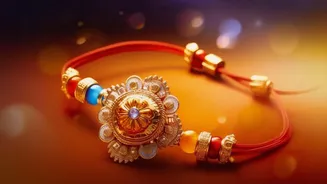
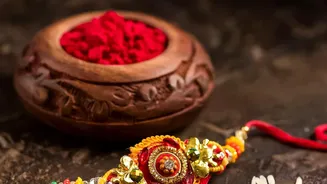
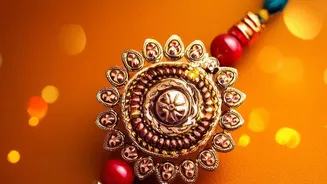
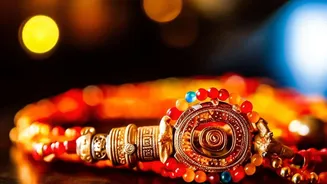
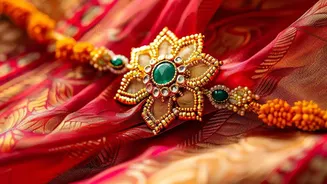
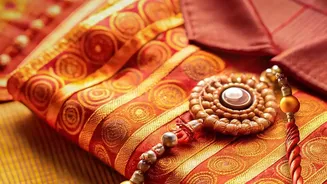
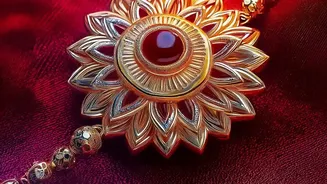
Each year, millions of rakhis are tied, celebrated, and then, shortly after, discarded. While the sentiment is beautiful, the materials often are not. Most conventional rakhis available in the market are made from non-biodegradable materials. These include
plastic threads, nylon, synthetic charms, foam, and glitter, all held together with industrial glues. Once the festival is over, these rakhis end up in landfills, where they can persist for hundreds of years, or in waterways, contributing to pollution. It’s a significant amount of waste for a single day of celebration, with some estimates suggesting hundreds of millions of rakhis are thrown away annually. This creates a disconnect between the festival's spirit of love and protection and the actual environmental harm caused.
A New Tradition Takes Root
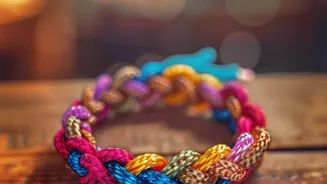
Enter the eco-friendly seed rakhi, a beautiful and innovative alternative that is quickly becoming a popular trend across India. These rakhis are thoughtfully crafted from entirely biodegradable materials. The thread is typically hand-spun, natural cotton or jute, and the central embellishment is made from recycled seed paper. This special paper is created from cotton pulp with flower, vegetable, or herb seeds pressed directly into it. Instead of plastic beads and synthetic dyes, these rakhis use natural elements like clay, wood, or even creative arrangements of the seeds themselves. The entire product is designed to return to the earth, leaving nothing behind but new life.
More Than a Thread, It's a Growing Promise
The true beauty of a seed rakhi lies in its symbolism. A traditional rakhi signifies a brother's promise to protect his sister. A seed rakhi expands on this concept, turning the token of love into a promise of care for the environment as well. After the festival, the rakhi isn't thrown away; it's planted. This act transforms the celebration from a momentary one into a lasting one. Watching a plant grow from the rakhi serves as a living, breathing reminder of the sibling bond. It’s an emotionally rich symbol that represents a relationship that, like the plant, continues to grow and flourish over time. This simple switch in material elevates the tradition, aligning it with a modern consciousness around sustainability.
From Wrist to Garden: How It Works
The process of planting a seed rakhi is incredibly simple and a wonderful activity for families. After the celebration, you simply detach the seed paper element from the cotton thread, which can be composted. The seed paper itself is then placed in a pot with soil and covered lightly. With regular watering and a bit of sunlight, the paper dissolves and the embedded seeds begin to germinate, usually within one to three weeks. Common seeds used are chosen for being easy to grow, such as tulsi, marigold, tomato, and other herbs, making success likely even for novice gardeners. This second life as a plant makes the rakhi a zero-waste product and an educational tool about nature's cycles.
Making the Mindful Switch
Choosing an eco-friendly rakhi is more than just a purchase; it's a statement. It reflects a growing desire among Indian families to celebrate traditions in a more meaningful and less wasteful way. While seed rakhis might be slightly more expensive than their mass-produced plastic counterparts, the price reflects the use of natural materials and handmade craftsmanship, often supporting local artisans and women's self-help groups. They are widely available online and in local markets, coming in a vast array of beautiful designs. By opting for a plantable rakhi, you are not just buying a product; you are participating in a positive cultural shift, ensuring that our cherished traditions can be celebrated for generations to come without harming the planet we all call home.