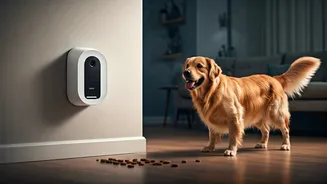






Why Indoor Enrichment Matters
When temperatures soar, our furry companions can't join us for their usual walks or park visits. This lack of physical exercise and mental stimulation can lead to boredom, anxiety, and even destructive behaviours like chewing furniture or excessive barking.
The solution isn't just about waiting for the cool of the evening; it's about enriching their indoor environment. Sensory activities engage your pet's natural instincts, providing a crucial mental workout that tires them out just as effectively as a long walk, all from the safety of your air-conditioned home.
Engage Their Superb Sense of Smell
A dog's primary sense is smell, which is thousands of times more powerful than ours. Engaging this sense is incredibly rewarding and tiring for them. You don't need fancy equipment. A 'scent hunt' is a great start. Have your pet wait in another room while you hide small, smelly treats (like bits of cheese or dried fish) around the living room. Then, let them in and encourage them with the cue "find it!". You can also create a DIY snuffle mat by tying strips of old fleece or towels through the holes of a rubber mat and hiding kibble inside. For cats, try placing a few treats inside an empty cardboard box with some crinkled paper to encourage foraging.
Turn Mealtime into Brain Time
Instead of serving your pet's meal in a bowl, which they might gulp down in seconds, turn feeding time into a fun puzzle. Puzzle feeders or treat-dispensing toys require your pet to nudge, roll, or paw at the toy to release their food. This slows down their eating, aids digestion, and provides significant mental stimulation. You can buy these online or make your own. A simple DIY version involves placing kibble in the cups of a muffin tin and covering some of the cups with tennis balls, forcing your pet to figure out how to move the balls to get their food.
Cooling Fun with Taste and Touch
Combine sensory play with a cooling treat. Freeze some low-sodium chicken or mutton broth in an ice cube tray for a delicious, hydrating pupsicle. You can even freeze some of their favourite toys or treats inside a larger block of ice and let them lick and chew their way to the prize. This keeps them occupied and helps lower their body temperature. For a simpler game, toss a few ice cubes onto a tiled floor and watch your dog or cat bat them around. The slippery texture and cold sensation provide a unique sensory experience.
Simple Sight and Sound Games
Don't underestimate the power of simple visual and auditory stimulation. Many cats are mesmerised by videos of birds or fish on a screen—just search for "videos for cats" on YouTube. Ensure your screen is secure so an enthusiastic pounce doesn't cause damage! For dogs, a game of hide-and-seek where they have to listen for your voice is excellent. Another fun option is blowing bubbles. Many pets are fascinated by the floating orbs. Just make sure to use a pet-safe, non-toxic bubble solution, which is readily available at pet stores or online.
A Quick Note on Safety
While these activities are fun, always supervise your pet. Ensure any toys or DIY puzzles are size-appropriate and don't have small parts that could be swallowed. Most importantly, stay vigilant about heatstroke. Signs in pets can include excessive panting, drooling, lethargy, vomiting, or collapse. Even indoors, a house can get dangerously hot if the power fails. Ensure they always have access to fresh, cool water and a cool place to rest. Never force your pet to play if they seem tired or uninterested.