





Understanding the Silent Epidemic
Hidden hunger is the lack of essential vitamins and minerals, such as iron, vitamin A, and zinc, in a diet that may otherwise have sufficient calories. Unlike starvation, its effects are not immediately obvious but are deeply damaging over time. In India,
the problem is severe, with some reports suggesting over 80% of the population may have deficiencies in crucial micronutrients like calcium and vitamin B12. These deficiencies can lead to weakened immune systems, stunted growth in children, cognitive impairment, and an increased risk of chronic diseases. This crisis affects all segments of society, urban and rural, and poses a significant threat to the nation's demographic dividend by impacting the health and productivity of its youth.
The Green Revolution's Double-Edged Sword
A key reason for this widespread deficiency lies in our fields and on our plates. The Green Revolution, while successful in averting famine and making India self-sufficient in grains, had an unintended consequence. It heavily prioritized high-yielding varieties of rice and wheat. Over decades, this focus led to agricultural systems dominated by these two crops, especially in states like Punjab and Haryana. Traditional, nutrient-dense crops like millets (jowar, bajra, ragi), pulses, and a variety of local vegetables were pushed to the margins. As a result, the diversity of the Indian diet shrank, replacing a wide range of micronutrient-rich foods with a heavy reliance on carbohydrate-dense staples.
Crop Diversity: The Natural Antidote
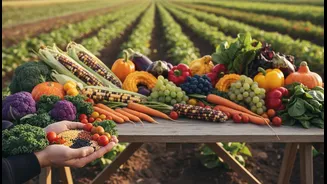
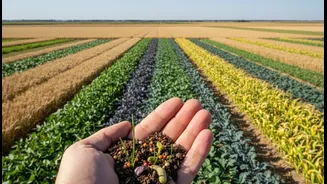
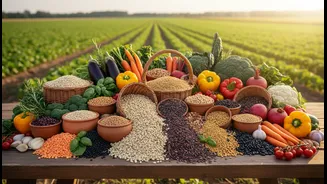
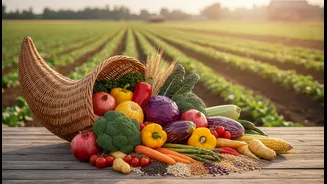
The most sustainable solution to hidden hunger is to reintroduce diversity into our farms and diets. Crop diversification refers to moving away from monocultures of rice and wheat towards growing a wider variety of crops. Growing different crops—like pulses, oilseeds, coarse cereals, vegetables, and fruits—not only improves soil health and uses less water but also enriches the local food supply with essential nutrients. Studies have shown a strong link between higher crop diversity and better nutritional outcomes in communities. When farmers cultivate a range of crops, they increase the local availability of different food groups, making a balanced diet more accessible and affordable for everyone.
The Power of Local Food Systems
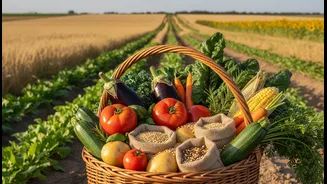
This is where the role of local food availability becomes critical. When nutrient-rich foods are grown close to home, they are more likely to be consumed. Local food systems—which include everything from kitchen gardens to community farms and local markets—shorten the distance from farm to plate. This ensures that fresh, seasonal produce is readily available, reducing reliance on long-distance supply chains that often prioritize durable but less nutritious foods. Supporting local farmers to grow a variety of crops empowers communities to build food security that is not just about calories, but about genuine nutritional well-being. It creates a resilient system where access to a healthy diet is not a luxury but a local reality.
The Path Forward for a Nourished India
Tackling hidden hunger requires a concerted effort. The government has initiated schemes like the Crop Diversification Programme (CDP) to encourage farmers to shift away from water-intensive paddy towards crops like pulses and millets. However, for these shifts to be successful, there needs to be supportive infrastructure, fair pricing for diverse crops, and increased consumer awareness. Policies that once favoured the Green Revolution's staple crops must now evolve to support a more diverse and nutrition-sensitive agricultural landscape. Expanding the Minimum Support Price (MSP) to include more millets and pulses could provide farmers with the financial security needed to diversify. Ultimately, the fight against hidden hunger begins with recognizing the immense value of the diverse crops that have been part of India's heritage for centuries.