




Beyond the Grams: What Is Protein Quality?
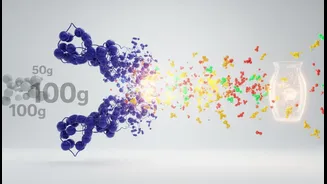
For years, the focus has been on protein quantity to support everything from muscle growth to feeling full. But the real story is a bit more complex. Protein quality refers to two main factors: its amino acid profile and its digestibility. Proteins are
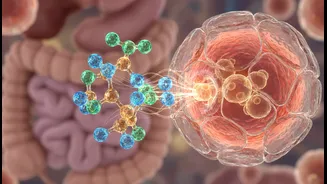
made of building blocks called amino acids. There are 20 different types, nine of which are considered “essential” because our bodies can’t make them. We must get these essential amino acids from our food. A high-quality protein provides all nine of these essential building blocks in sufficient amounts. The second factor, digestibility, measures how well your body can actually break down the protein and absorb those amino acids. After all, protein that can’t be used by the body doesn’t do you much good.
Complete vs. Incomplete: The Amino Acid Factor
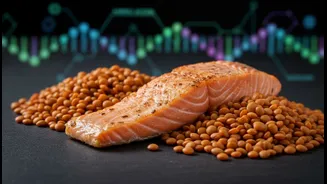
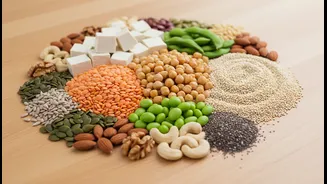
This brings us to the concepts of “complete” and “incomplete” proteins. A complete protein contains all nine essential amino acids in adequate amounts. Animal-based foods like meat, fish, poultry, eggs, and dairy are classic examples of complete proteins. Incomplete proteins, on the other hand, are low in one or more of the essential amino acids. Most plant-based foods, such as beans, lentils, nuts, and whole grains, fall into this category. This doesn't make them inferior choices; it just means a little more thought is required to ensure you're getting the full range of amino acids your body needs, especially if you follow a vegetarian or vegan diet.
The Plant-Based Strategy: Protein Combining
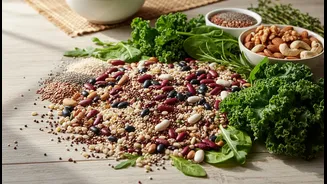
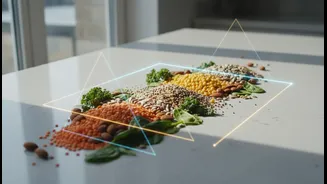
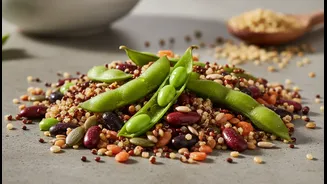
If you primarily eat plant-based foods, the idea of getting complete proteins might seem challenging, but it’s quite simple with a strategy called “protein combining.” Different plant foods have different amino acid profiles. For example, legumes like beans and lentils are typically low in the essential amino acid methionine, while grains like rice are low in lysine. By eating them together—think of the classic combination of rice and beans—you create a meal that provides all nine essential amino acids. Other powerful combinations include a peanut butter sandwich on whole-wheat bread, hummus with pita, or lentil soup with a side of whole-grain crackers. The good news is that you don’t necessarily need to eat these complementary proteins in the same meal. As long as you consume a variety of plant-based protein sources throughout the day, your body can pool the amino acids to get what it needs.
Not All Plants Are Incomplete
While most plant sources are incomplete on their own, there are a few notable exceptions. Soy products—including tofu, tempeh, and edamame—are considered complete proteins, making them a fantastic staple in plant-based diets. Quinoa, a versatile and nutrient-dense pseudocereal, is another complete protein powerhouse. Other sources like buckwheat, hemp seeds, and chia seeds also contain all nine essential amino acids. Incorporating these foods into your meals is an easy way to boost your intake of high-quality, plant-based protein without having to worry about combining different sources.
How to 'Quality Check' Your Plate
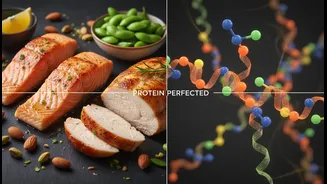
Improving your protein quality isn't about overhauling your entire diet. It’s about making mindful choices. First, prioritize variety. Whether you eat animal products or not, a diverse diet is the best way to ensure you're covering all your nutritional bases. Aim to include a mix of lean meats, fish, eggs, dairy, legumes, nuts, seeds, and whole grains. If you're building a meal, think in pairings. If you're having a bean chili, serve it with a side of brown rice or quinoa. If you enjoy oatmeal for breakfast, stir in some almond butter or chia seeds. For those who eat animal products, including sources like chicken breast, salmon, or Greek yogurt can easily provide high-quality protein. Ultimately, focusing on whole, minimally processed foods is the most effective way to ensure both the quality and quantity of your protein intake are meeting your body's needs.