




Explore National Parks and Wildlife Sanctuaries
While many assume national parks close during the monsoon, several remain open, offering a unique and less crowded experience. Parks in the Western Ghats, like Periyar in Kerala and Dandeli in Karnataka, become lush green havens. Periyar, famous for its
boat safaris, offers incredible sightings of elephants against misty backdrops. In Karnataka, Kabini and Nagarhole National Park, parts of the Nilgiri Biosphere Reserve, are particularly stunning, with the rain-fed river system attracting a variety of wildlife. Even parts of popular tiger reserves like Ranthambore (zones 6-10) and the buffer zones of Tadoba and Pench remain accessible, providing a chance to see wildlife in a vibrant, rejuvenated landscape. The reduced tourist footfall makes for a more serene and intimate communion with nature.
Embark on a Monsoon Trek
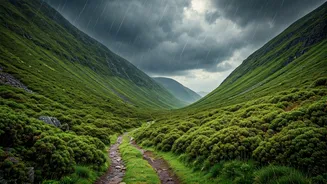
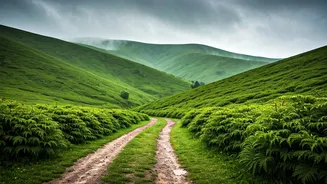
For the adventurous, the monsoon is the ultimate trekking season. The Sahyadri range in Maharashtra and Karnataka comes alive with countless waterfalls and trails blanketed in almost neon-green moss. Treks to forts like Lohagad and Visapur near Pune become even more magical as you walk through clouds and past seasonal waterfalls. In the Himalayas, the rains unlock one of India’s most famous treks: the Valley of Flowers in Uttarakhand. This UNESCO World Heritage Site explodes into a carpet of over 500 species of alpine flowers, including the rare blue poppy and Brahma Kamal, from July to September. The trek is a pilgrimage for botanists and nature lovers alike, offering a spectacle that only exists during the rainy months.
Chase Waterfalls in the Western Ghats
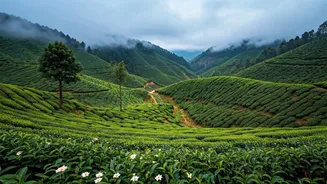
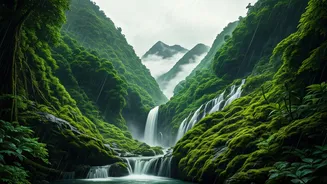
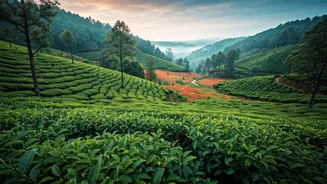
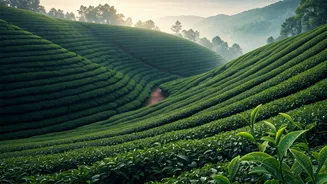
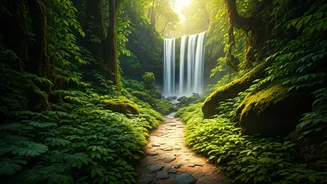
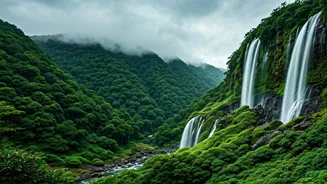
The monsoon swells India's rivers and gives birth to thousands of temporary waterfalls, creating breathtaking spectacles across the country. The Western Ghats, particularly regions like Coorg and Chikmagalur in Karnataka, Malshej Ghat in Maharashtra, and Munnar in Kerala, become hotspots for waterfall chasers. Coorg, known for its coffee plantations, is home to the majestic Abbey Falls, which is at its most powerful during the rains. Malshej Ghat offers a dramatic drive where you can see hundreds of streams cascading down dark volcanic rock faces. In Munnar, the landscape is dotted with innumerable falls that spring to life, complementing the verdant tea gardens. The roar of the water and the cool spray in the air is a sensory experience that defines the season.
Discover the Joy of Monsoon Birdwatching
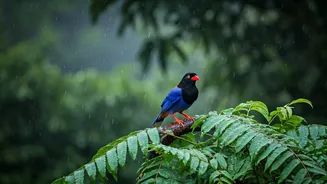
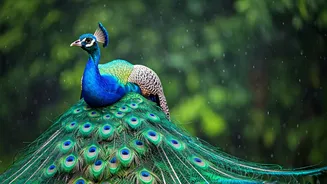
The rainy season is a prime time for birdwatching as it's the breeding season for many resident species. Birds become more vocal and active, and many display their vibrant breeding plumage. Wetlands and sanctuaries like Keoladeo National Park in Rajasthan and Thattekad Bird Sanctuary in Kerala offer fantastic opportunities. Keoladeo, a UNESCO World Heritage site, becomes a lush paradise for waterbirds. In the Western Ghats, you might spot species like the Malabar whistling thrush, often called the 'whistling schoolboy' for its human-like song that echoes through the misty forests. The arrival of monsoon-specific birds and the increased activity make it a rewarding time for both seasoned birders and curious beginners to grab their binoculars.
Experience a Rainforest Stay
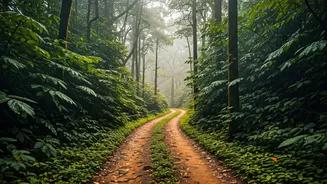
There is no better way to appreciate the monsoon than by immersing yourself in it. Agumbe in Karnataka, one of the wettest places in the Western Ghats, is known as the 'Cherrapunji of the South' and offers a true rainforest experience. Staying at an eco-resort or a homestay here allows you to witness the forest transform. The air is thick with the scent of wet earth, the sounds of insects create a constant symphony, and the sheer density of green is overwhelming. Similarly, Wayanad in Kerala provides lush landscapes with many homestays and eco-resorts where you can enjoy the rain from your balcony. It's an opportunity to disconnect from urban chaos and reconnect with the primal rhythm of nature during its most vibrant season.