

Goodbye to the Checklist
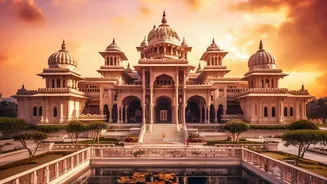
For decades, travel often meant a race against time. The goal was to cover as much ground as possible, ticking off famous monuments, viewpoints, and restaurants from a pre-planned list. It was about proving you were there, with a photo album full of evidence.
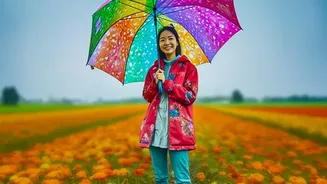
This style of tourism, focused on seeing rather than experiencing, is losing its appeal for many young Indians. Recent reports show a clear move away from these packed schedules. The desire is no longer to simply visit a place, but to connect with it. The pressure to see everything is being replaced by the freedom to truly experience something.
The Quest for Authenticity
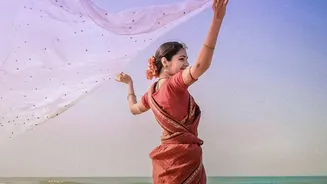
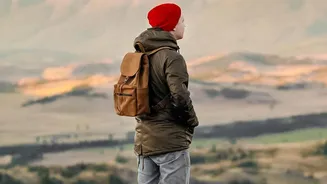
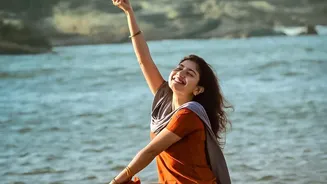
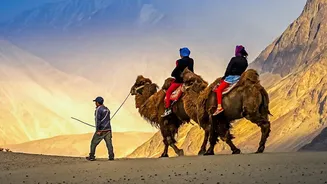
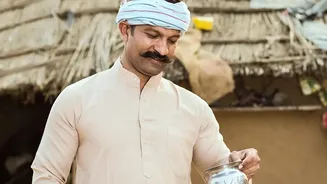
So, what does 'authentic' even mean in this context? It's about trading the curated, tourist-friendly version of a place for its real, unfiltered character. It means choosing a homestay over a hotel, learning to cook a local dish from a family, or discovering a hidden trail instead of following a crowd. According to a 2026 report from Airbnb, a staggering 95% of Indian Gen Z travelers want their trips to feel personal and unique, not typical or pre-planned. This search for authenticity is a search for genuine connection—with people, culture, and nature. It’s about creating memories that are more than just a picture, but a story to tell.
Why the Big Shift?
Several factors are driving this change. Social media plays a complex role; while it can promote 'Instagrammable' clichés, it also exposes young people to a world of unique, offbeat travel. Influencers who focus on storytelling and genuine cultural immersion are inspiring a new kind of travel aspiration. Furthermore, this generation often sees travel as an expression of their identity and a tool for personal growth. There's also a reaction against the sanitized package tours of the past. Having grown up with more global awareness, many young Indians are now seeking experiences that feel more real and impactful. The pandemic also made many people more intentional about their travel choices, valuing quality over quantity.
The Rise of Slow Travel
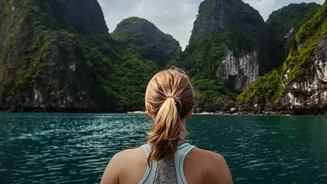
This new mindset has a name: slow travel. It’s the practice of staying in one place for longer, allowing for deeper immersion and spontaneous discovery. Instead of a three-day blur, it might mean renting a house for a week, getting to know the local market, and finding a favorite neighborhood café. Data shows a rising interest in quieter destinations known for tranquillity and nature. A recent Skyscanner survey found that 67% of Indian travelers now plan trips around cultural experiences like festivals and food, and 84% say their interest in culture-led travel has increased. This isn't about doing less; it's about experiencing more on a meaningful level.
The Industry Is Taking Note
The travel industry is adapting to this demand. Boutique homestays, experience-led platforms, and niche travel agencies are flourishing by offering the very authenticity that young travelers crave. They facilitate everything from farm stays and craft workshops to culinary trails and spiritual retreats. These businesses understand that for Gen Z, luxury is no longer defined by opulence but by access to unique, meaningful experiences. They're not just selling a trip; they're selling an opportunity for connection and self-discovery. As this trend continues, travel in India is set to become more diverse, personal, and profoundly enriching.