





From Waste to Wonder
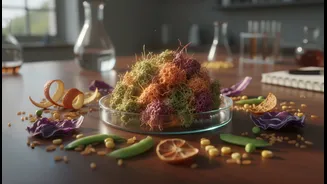
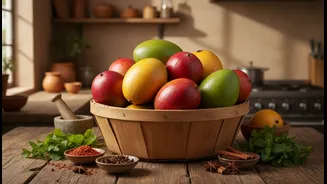
Imagine turning spoiled fruits, vegetable peels, and agricultural residues into a high-quality, protein-rich powder. This is the promise of converting food waste into microbial protein, also known as single-cell protein (SCP). It’s a process where tiny
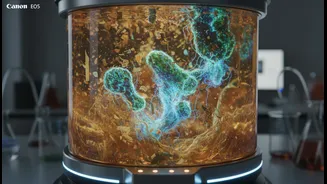
microorganisms, such as yeast, bacteria, or fungi, are put to work. These microbes feast on the organic materials found in food waste, converting the carbohydrates and other nutrients into their own protein-packed cell mass. The result is a highly nutritious ingredient that can be used in everything from animal feed to human food products, offering a powerful tool to address both food insecurity and environmental strain. India, as the world's second-largest food waster, has a significant opportunity to leverage this technology to create value from the estimated 78-80 million tonnes of food it wastes annually.
The Magic of Fermentation
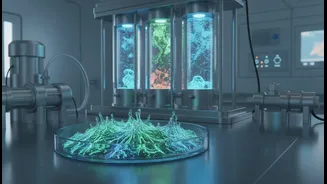
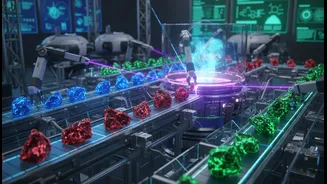
The core of this transformation is fermentation, a process familiar to anyone who enjoys bread, yoghurt, or beer. In this context, it’s done on an industrial scale in large containers called fermenters or bioreactors. First, the food waste is pre-treated to break it down into a more digestible liquid or slurry for the microbes. Then, a specific strain of microorganism is introduced. Under carefully controlled conditions—including temperature, pH, and oxygen levels—these microbes multiply rapidly, consuming the waste as their food source. After the fermentation is complete, the resulting microbial biomass is harvested, separated from the liquid, and dried. This creates a stable, nutrient-dense powder that is rich in protein and essential amino acids, often comparable in quality to traditional animal proteins like fishmeal or soy.
Closing the Loop: A Circular Solution
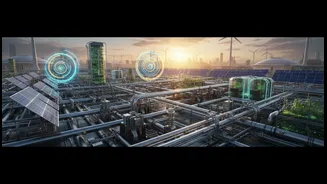
This process is a prime example of a circular economy in action. Instead of a linear 'take-make-waste' model where food is produced, consumed, and discarded, this technology creates a closed loop. Waste is no longer an endpoint but is 'upcycled' into a valuable new product. This has profound environmental benefits. By diverting organic waste from landfills, it significantly reduces methane, a greenhouse gas far more potent than carbon dioxide that is released when food rots. Furthermore, producing protein this way is incredibly efficient. Compared to traditional livestock farming, it requires drastically less land and water and is not dependent on climate or seasons, offering a resilient and scalable protein source for a growing global population.
Challenges on the Path to Your Plate
Despite its immense potential, the journey of microbial protein from lab to lunchbox faces several hurdles. One major challenge is scaling up production to be cost-competitive with established protein sources like soy and whey. The energy required for fermentation and processing can be high, impacting both cost and the overall environmental footprint. Public perception and regulatory approval are also crucial. Consumers need to be educated about the safety and benefits of microbial proteins to overcome any hesitation about eating foods derived from microorganisms and waste streams. In India, where the protein market is projected to reach USD 2.22 billion by 2031, gaining consumer trust and navigating food safety standards will be critical for startups and companies entering this space.
The Future of Food in India
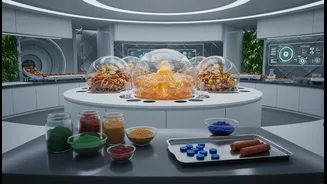
The rise of microbial protein aligns perfectly with India's increasing health consciousness and surging demand for protein, which has seen a 150% jump in orders on some platforms in recent years. As awareness grows and technology improves, microbial protein could become a key ingredient in fortified foods, meat alternatives, and nutritional supplements. Companies both globally and within India, like the Gujarat-based Zero Cow Factory, are already exploring precision fermentation to create animal-free proteins. By embracing this innovation, India can not only tackle its food waste paradox but also bolster its food security, create new economic opportunities in biotechnology, and build a more sustainable and resilient food system for generations to come.