



The Perfect Microbial Playground
The monsoon season, while offering relief from scorching heat, transforms our kitchens into ideal incubators for microscopic organisms. High humidity, with moisture levels often exceeding 70-80%, combined with warm ambient temperatures creates a perfect
breeding ground for bacteria, yeasts, and molds. These invisible guests are all around us, but during the monsoon, their populations explode. They float in the air, settle on surfaces, and eagerly await an opportunity to find a meal, turning your kitchen into a thriving, albeit unwanted, ecosystem.
Meet the Souring Culprits
The primary reason your dal turns sour is due to a process called fermentation, driven mainly by lactic acid bacteria (LAB). These bacteria are naturally present in the environment and on raw ingredients. When they land in a welcoming place like a pot of cooked dal, they begin to consume the carbohydrates and proteins within the lentils. As they feed, they produce lactic acid as a waste product. This acid is what gives yogurt its tang, but in dal, it results in that distinct and unpleasant sour taste, signaling that spoilage has begun.
Why Lentils are a Prime Target
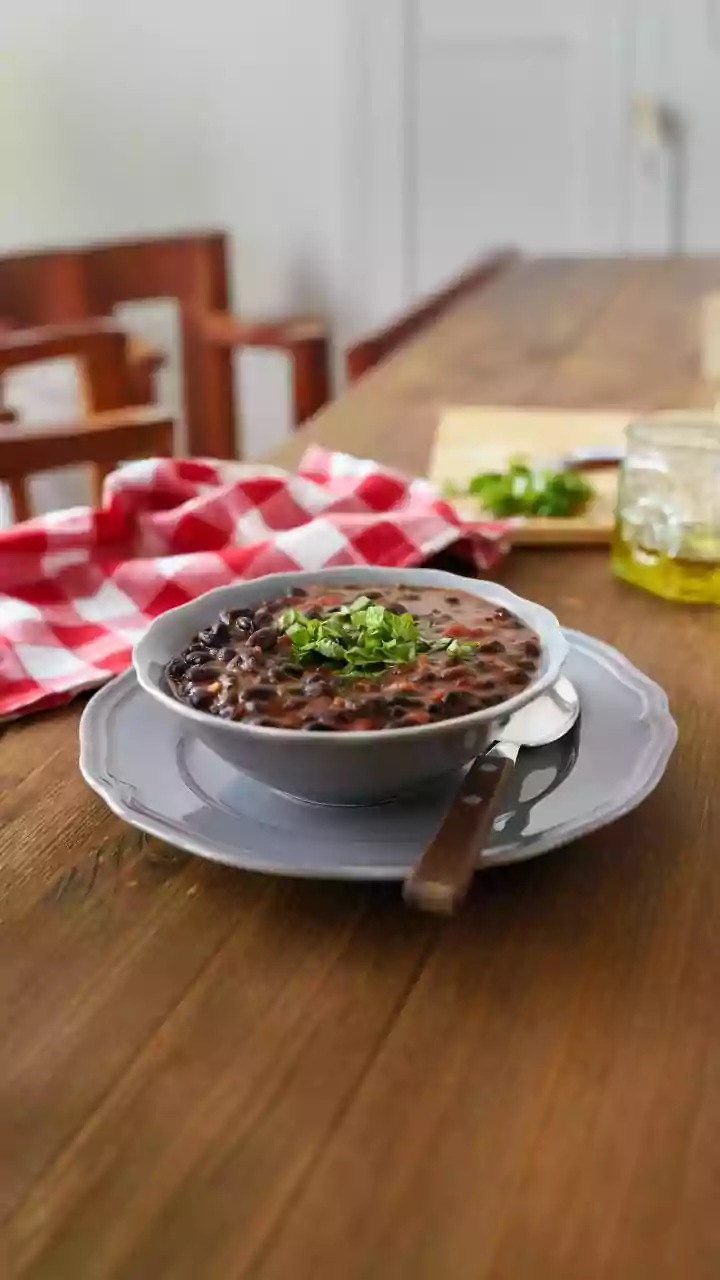
Cooked lentils are particularly susceptible to this rapid spoilage for several reasons. They offer a nutrient-rich buffet for microbes, packed with proteins and starches. Furthermore, their high moisture content and relatively neutral pH after cooking create an environment that is much more hospitable to bacterial growth than, for example, a highly acidic or sugary dish. Leaving cooked dal on the countertop to cool slowly is an open invitation for these airborne bacteria to settle in and multiply exponentially in the 'danger zone' temperature range between 4°C and 60°C.
The Counter-Attack: Smart Storage Strategies
Preventing sour dal requires a proactive strategy focused on cooling and storage. The most critical step is to cool the dal quickly after cooking. Don't leave it on the stove for hours. One trick is to transfer the hot dal into a wide, shallow container to increase the surface area, allowing it to cool faster. Once it's no longer steaming hot, get it into the refrigerator as soon as possible, ideally within an hour or two. Storing it in an airtight container is crucial to prevent new microbes from the humid air from getting in.
Best Practices for Monsoon Cooking
Beyond storage, a few cooking habits can make a big difference. First, consider cooking in smaller batches more frequently rather than making a large pot to last for days. This minimizes the time leftovers spend in the fridge, where spoilage can still occur, just more slowly. Always use clean utensils to serve dal to avoid introducing new bacteria. When it's time to eat leftovers, ensure you reheat the dal thoroughly until it is steaming hot all the way through. This will kill off most of the bacteria that may have started to grow. Finally, a clean refrigerator is essential; wipe down spills immediately and don't overcrowd shelves to ensure proper air circulation.