




The Key Players and the Controversy
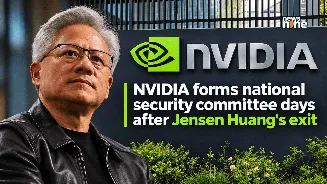
The controversy involves Jensen Huang, the recently resigned CEO of Nvidia, and Howard Lutnick, the U.S. Secretary of Commerce in the Trump administration. Scrutiny erupted over the administration's policies regarding the sale of advanced American AI
chips to China. This escalated following revelations of Huang's personal conduct and allegations that a Singapore-based firm, Megaspeed International, was channeling advanced Nvidia processors to China, circumventing U.S. export controls. The situation has triggered a bipartisan demand for answers from Congress and has created a rift within the administration itself.
Lutnick's Role and Questionable Decisions
As Commerce Secretary, Howard Lutnick's department is responsible for issuing and enforcing export controls on sensitive technology. Critics from both political parties, and even within the administration, have accused Lutnick of delaying or resisting pressure to blacklist Megaspeed and other entities suspected of diverting chips to China. Treasury Secretary Scott Bessent publicly stated that his department and others had pushed for restrictions for months, but noted that Lutnick's Commerce Department 'has the pen' and failed to act. Lutnick's relationship with Huang has also been examined, with reports indicating Lutnick facilitated Huang's access to the White House and helped him lobby against stricter export rules.
Lobbying, Donations, and a Financial Twist
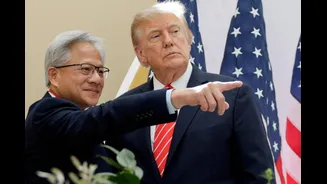
A key facet of the controversy involves high-stakes lobbying and significant financial contributions. In April 2025, Lutnick reportedly helped Huang attend a $1 million-per-guest fundraising dinner, where Huang lobbied then-President Trump against planned chip restrictions. Subsequently, the administration approved a deal allowing Nvidia to sell its H20 chips to China in exchange for 15% of the revenue. Furthermore, Nvidia made at least $26 million in donations linked to the President's priorities, including a $25 million contribution to a White House ballroom project and $1 million to an inaugural fund. These financial ties have led Democrats in Congress to launch an investigation into a potential 'transactional relationship' influencing national security policy.
Alleged Conflicts of Interest
The scrutiny of Lutnick is compounded by his background as the head of financial services firm Cantor Fitzgerald, which is now run by his sons. Filings showed that the firm had extensive dealings with Nvidia and its partners. While Cantor Fitzgerald reportedly reduced its stake in Nvidia as pressure mounted on Lutnick to crack down on chip smuggling, the firm's business ties have raised questions about potential conflicts of interest. Lawmakers have pointed to these connections as another reason for a thorough investigation into the Commerce Department's decision-making process.
The Fallout and What Comes Next
The scandal led to Jensen Huang's resignation from Nvidia. Now, the political fallout is squarely focused on Howard Lutnick. Despite public criticism from fellow cabinet members and lawmakers from both parties, President Trump has expressed his continued confidence in the Commerce Secretary, suggesting any delays in restrictions were to avoid escalating tensions with China during trade negotiations. Lutnick has agreed to testify voluntarily before the Senate Banking Committee, with a hearing requested for December 10. This testimony, along with ongoing congressional probes and internal White House dynamics, will determine the future of his tenure and could reshape U.S. policy on exporting critical technology.