


A Hill Station Reawakened by Rain
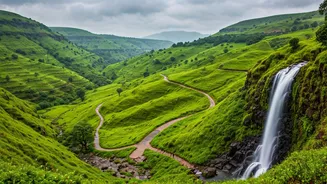
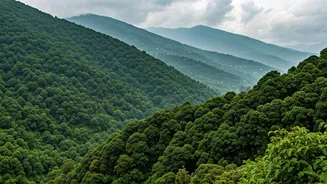
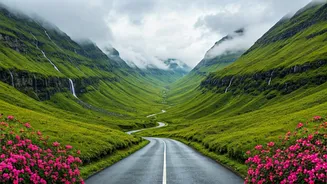
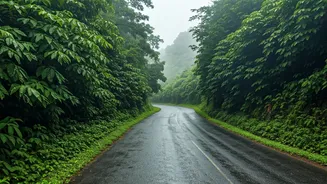
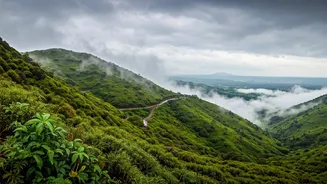
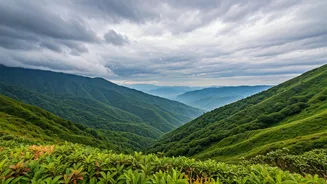
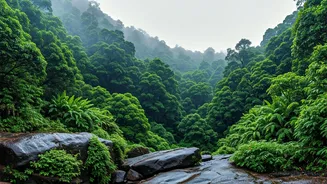
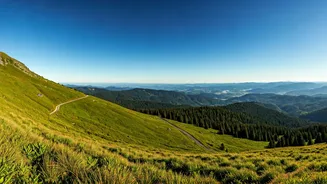
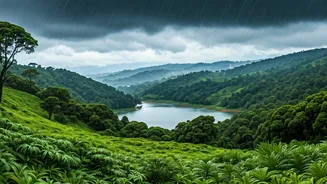
Perched at an altitude of about 1,000 meters in the Dang district, Saputara's true magic is unveiled during the monsoon months. From July to September, the region becomes a panorama of rolling green hills, dense fog, and the constant, soothing sound of rain.
The air grows cool and crisp, a welcome respite from the plains. This is when the otherwise quiet town buzzes with a gentle energy, as visitors from Gujarat and neighbouring Maharashtra flock here to experience the seasonal splendour. The entire area, draped in mist, feels like a living watercolour painting, with clouds often descending to walk the streets alongside you.
Chasing Majestic Monsoon Waterfalls
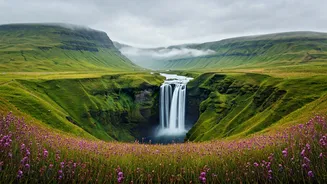
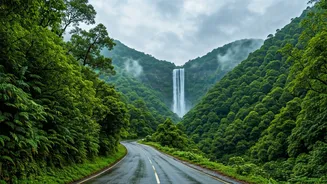
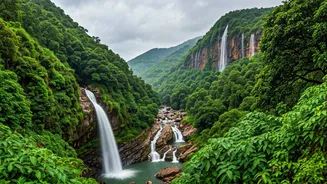
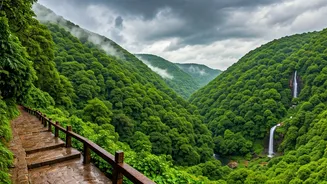
The monsoon feeds the region's rivers, giving rise to spectacular waterfalls. The most famous of these is Gira Waterfalls, located about 50 kilometres from Saputara. During the rains, the Ambica River plunges from a height of over 30 meters, creating a powerful and breathtaking cascade. The falls are at their most forceful and majestic between July and September, making the half-day trip a monsoon essential for any visitor. The area around the falls is lush and green, perfect for capturing stunning photographs, though swimming is often restricted for safety during peak flow. Smaller, seasonal streams and falls also appear throughout the Dang forest, rewarding those who take the time to explore the winding roads.
A Lake Shrouded in Mist
At the heart of the town lies the serene, man-made Saputara Lake. While a popular spot year-round, the monsoon gives it an ethereal quality. Encircled by gardens and low hills, the lake is often veiled in a thick morning mist, with the colourful paddle boats emerging like phantoms on the water. A boat ride during a light drizzle is a quintessential Saputara experience. For those who prefer to stay on shore, a walk along the lakeside promenade is equally rewarding. Small stalls pop up, offering hot tea, roasted corn on the cob (bhutta), and instant noodles—simple comforts that feel extraordinary in the cool, damp weather.
Panoramic Views from the Cable Car
For a bird's-eye view of the rain-washed valley, the Saputara Ropeway is a must-do activity. The cable car connects the main town area to Sunset Point, offering a ten-minute ride that glides over the verdant landscape. On a clear day, the views are expansive, but during the monsoon, the ride is an adventure in itself, taking you through and above the clouds. The feeling of floating over the mist-covered hills and the shimmering lake below is an unforgettable experience. Even if heavy fog obscures the distant view, the journey through the clouds provides a unique thrill.
Culture and Cuisine of the Dangs
Saputara is not just about natural beauty; it is also a window into the rich culture of the local Dangi and Bhil tribes. The Saputara Tribal Museum offers a fascinating collection of artefacts, showcasing the lifestyle, ornaments, musical instruments, and traditional attire of the indigenous communities. Nearby, the Artist Village provides an opportunity to see and buy authentic Warli paintings and bamboo crafts directly from local artisans. The monsoon is also a time for feasting. The local cuisine is simple, rustic, and predominantly vegetarian. Visitors can savour traditional Gujarati dishes like Undhiyu and Dhokla, alongside local Dangi specialties, which often feature millets and fresh, seasonal vegetables.
Planning Your Monsoon Escape
Saputara is well-connected by road. It is approximately 400 km from Ahmedabad, 164 km from Surat, and about 80 km from Nashik in Maharashtra, making it an accessible weekend destination. The nearest major railway station is Bilimora (112 km), from where taxis and buses are available. To celebrate the season, Gujarat Tourism often hosts a month-long Monsoon Festival from late July to August, featuring cultural programs, food festivals, and adventure activities. When packing, prioritise rain protection and footwear with good grip. Driving on the ghat roads requires caution, especially at night or in heavy fog. A relaxed itinerary is best, allowing you to savour the unhurried pace of life in the hills when it rains.