
The Allure of the Monsoon Trek
The post-pandemic era has seen a significant shift in travel preferences among young Indians. There's a growing desire for experiences over simple sightseeing, with a focus on personal growth, adventure, and connecting with nature. This generation is increasingly
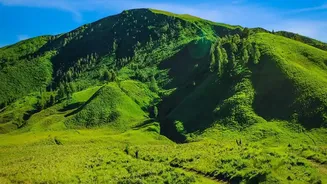
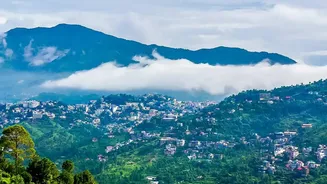
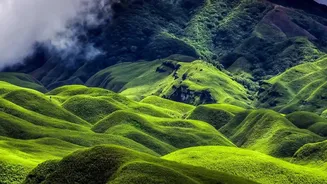
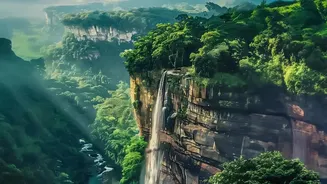
drawn to affordable, accessible getaways that offer a break from the urban grind. Waterfall trekking in the Western Ghats fits this description perfectly. It offers a quick, budget-friendly escape that combines physical activity with stunning natural beauty, making it a popular choice for weekend adventures. Social media also plays a role, with breathtaking images of misty cliffs and cascading water inspiring many to seek out these experiences for themselves.
Devkund Waterfall: The Plunge Pool of the Gods
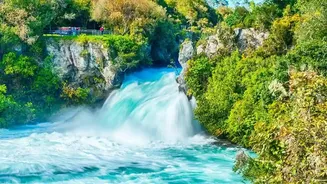
Tucked away in the dense forests near Bhira, Devkund Waterfall is a major draw for young adventurers. The name translates to "the bathing pond of gods," and its crystal-clear plunge pool lives up to the hype. Reaching the falls requires a trek of about three to four hours through a lush jungle, crossing streams along the way. The trail leads to a stunning sight where water cascades from a height of about 80 feet into a rocky basin. The combination of a rewarding trek and a beautiful, swimmable pool makes Devkund a favourite, especially for those travelling from Mumbai and Pune. However, the currents can be strong, so swimming should only be attempted when the water levels are low and deemed safe by local guides.
Kalu Waterfall: The Giant of Malshej Ghat
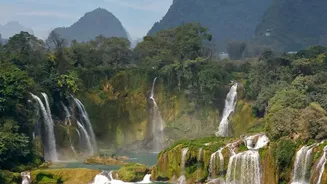
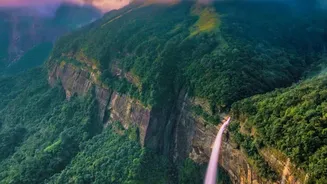
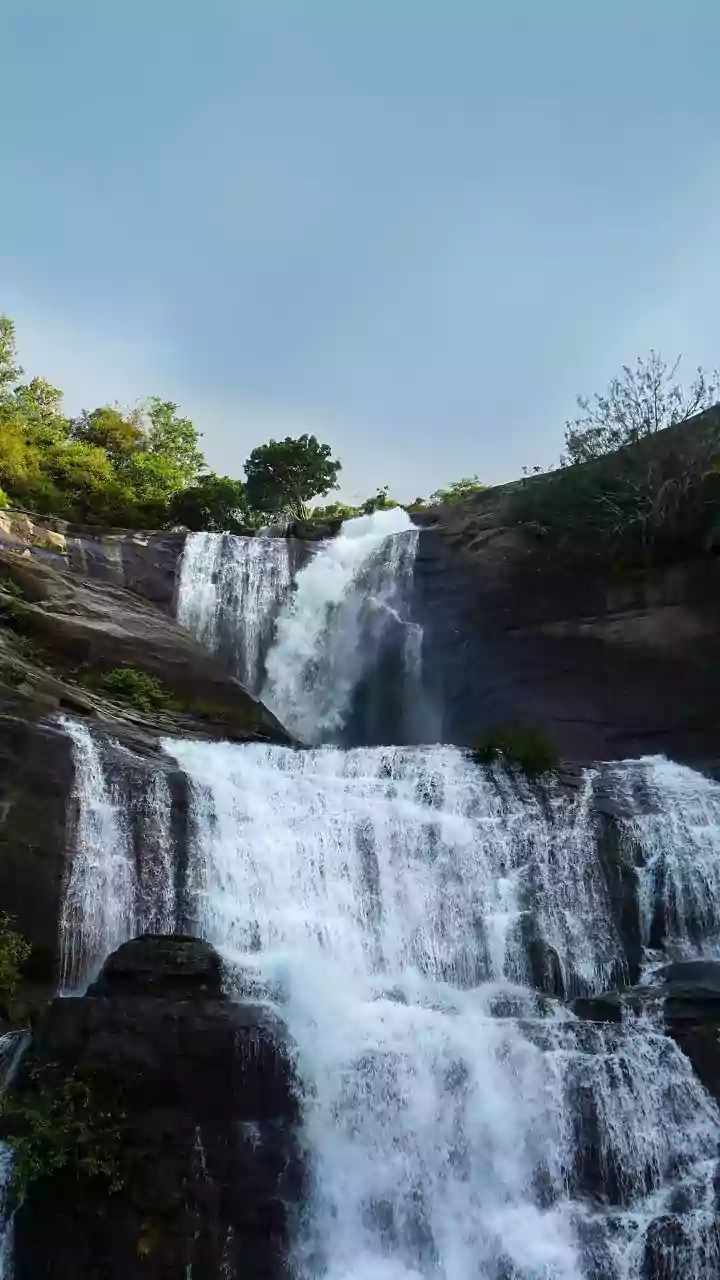
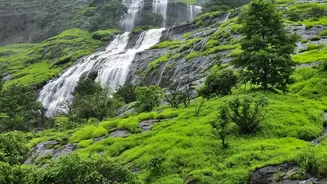
For those seeking sheer scale and drama, Kalu Waterfall in the Malshej Ghat region is a must-see. As one of the largest waterfalls in the area, it's a powerful spectacle during the peak monsoon months. The trek to the falls, often called the God Valley trek, is considered moderate and takes you through pristine forests and across several smaller streams. The route offers panoramic views of the surrounding mountains and valleys, often shrouded in mist. Reaching the viewpoint reveals the multi-tiered waterfall in all its glory. Given its grandeur, it's a popular spot for photography and for those looking to witness the raw power of the Sahyadris in full flow.
Lingmala Waterfall: The Double Cascade
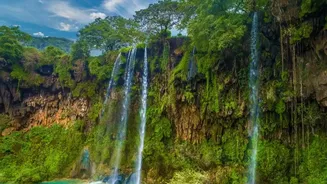
Easily accessible near Mahabaleshwar, Lingmala Waterfall offers two experiences in one. A well-maintained path leads visitors to two different points. The first is a mini waterfall, which is smaller and generally considered safe for visitors to enter and splash around in the shallow water. A further walk leads to the main attraction: a majestic waterfall that drops from a height of approximately 500 feet. While you can't get into the water at the main fall, designated viewing platforms provide a fantastic vantage point for the spectacular view. Its accessibility from popular hill stations like Mahabaleshwar and Panchgani makes it a hit among families and casual travellers.
Naneghat: The Reverse Waterfall Phenomenon
Naneghat offers a truly unique monsoon experience: the reverse waterfall. This natural wonder occurs during periods of intense wind, when the force of the gusts is so strong that it pushes the water from the falls back up the cliffside, creating an illusion of it flowing backwards. Located in the Western Ghats, this mountain pass is also a historic trade route with ancient caves to explore. The trek to the top is of moderate difficulty and rewards climbers with breathtaking views of the surrounding valleys. The combination of history, a challenging trek, and a bizarre natural phenomenon makes Naneghat a bucket-list destination for many young explorers.
Safety First: A Guide to Responsible Trekking
While the monsoon brings Maharashtra's waterfalls to life, it also increases risks. Flash floods, slippery rocks, and strong currents are real dangers. Always check the weather forecast before you leave and avoid trekking during heavy rain warnings. It's essential to wear proper trekking shoes with good grip and quick-drying clothes. Never venture into deep pools or cross swollen streams, and always stick to marked trails. Going with an experienced guide or a group is highly recommended, especially for less-frequented trails. Inform someone about your itinerary and expected return time. Carrying a basic first-aid kit, sufficient water, and energy snacks is crucial for a safe and enjoyable trip.