






The Heart of the Matter
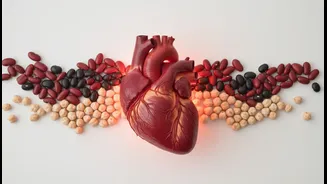
The simple act of eating more beans could have a significant impact on your cardiovascular health. A growing body of scientific evidence suggests that regular consumption of legumes—a food family that includes beans, lentils, and chickpeas—is linked to
a lower risk of heart disease. Recent studies have reinforced this connection, highlighting how beans can help manage two of the biggest risk factors for heart problems: high cholesterol and high blood pressure. One major analysis found that people who ate the most legumes had up to a 10 percent lower incidence of cardiovascular disease. Another recent study, published in the journal BMJ Nutrition Prevention & Health, found that individuals with the highest intake of legumes were 16% less likely to develop hypertension. It's a compelling case for making this versatile food a more prominent part of your plate.
The Science Behind the Bean
So, how exactly does this magic work? It's less magic and more science, primarily centered around a key nutrient: fibre. Beans are exceptionally rich in soluble fibre. This type of fibre acts like a sponge in your digestive system, binding to cholesterol and preventing it from being absorbed into the bloodstream. The body then naturally eliminates this cholesterol. According to some experts, for every gram of soluble fibre you eat, you could lower your LDL, or "bad," cholesterol. Beyond fibre, beans are nutritional powerhouses packed with heart-friendly minerals like potassium and magnesium, which play a crucial role in regulating blood pressure. They are also a great source of plant-based protein, B vitamins, and antioxidants, all of which contribute to reducing inflammation and supporting overall heart function.
A Bean for Every Palate
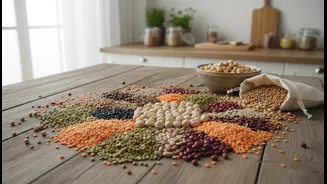
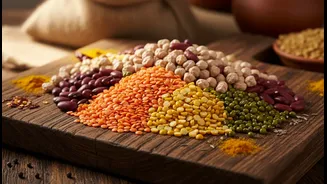
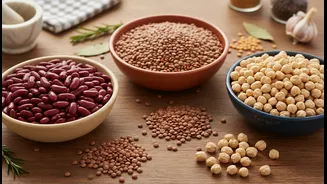
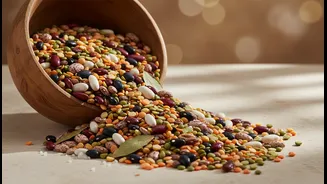
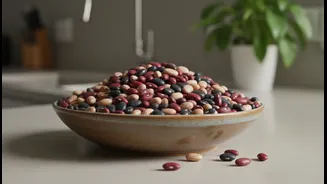
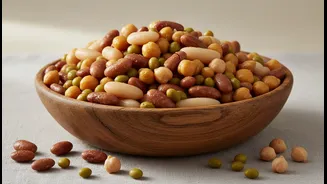
The wonderful thing about beans is the sheer variety, many of which are already beloved in Indian cuisine. Whether you prefer the creamy texture of rajma (kidney beans) in a rich gravy or the nutty bite of chana (chickpeas) in a salad, you're making a heart-healthy choice. Recent research specifically pointed to chickpeas for their cholesterol-lowering effects and black beans for their ability to reduce inflammation. Lentils (dal), a daily staple in many households, are also fantastic sources of fibre and protein. From pinto beans and black-eyed peas (lobia) to soybeans, each type offers a unique nutritional profile but a shared set of benefits for your cardiovascular system. Even baked beans can be part of a healthy diet, provided you choose low-salt and low-sugar versions.
Easy Ways to Add More Beans
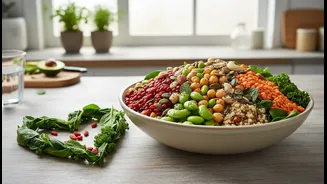
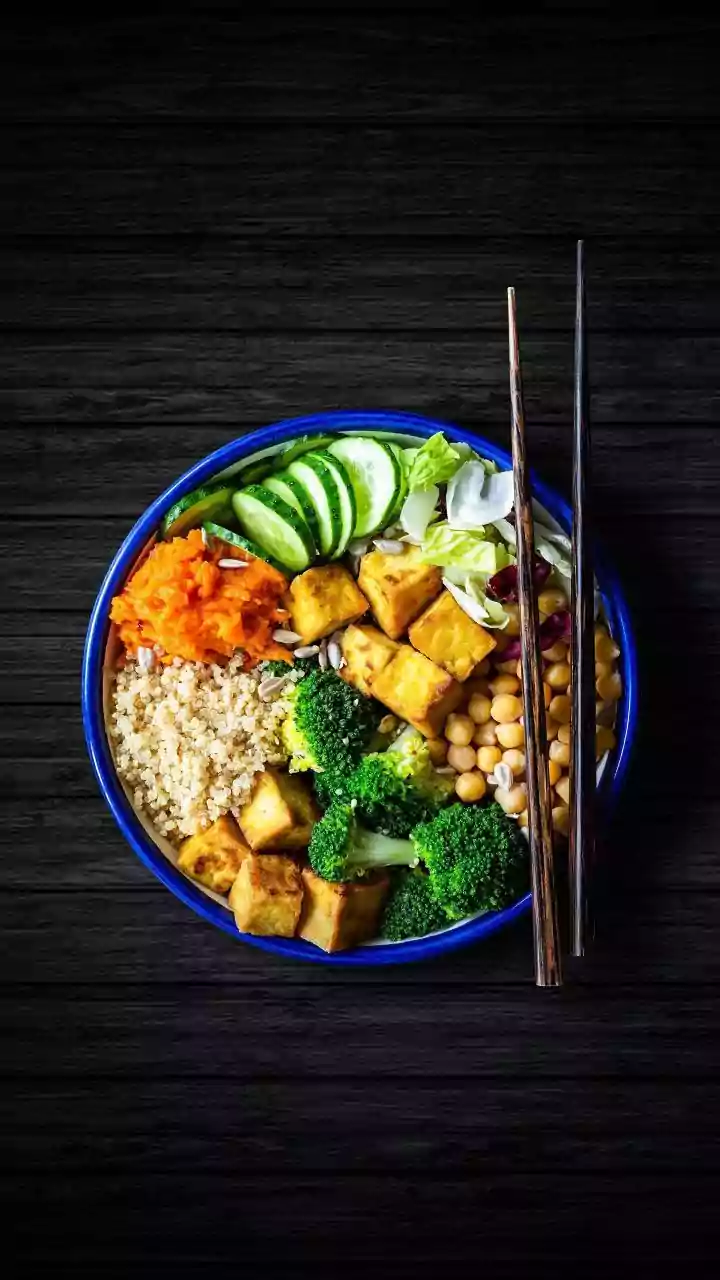
Increasing your bean intake doesn't require a complete dietary overhaul. Start with small, manageable changes. Try substituting meat with beans or lentils in a curry or stew once or twice a week. Add a handful of cooked chickpeas or kidney beans to your lunchtime salad for an extra boost of protein and fibre. Blend them into soups for a thicker, creamier texture or mash them into dips like hummus. In India, we are spoiled for choice with bean-based dishes. Consider having a bowl of dal with your meals, enjoying a chana masala, or snacking on roasted edamame. The American Heart Association recommends about three cups of legumes per week, but many people eat far less.
A Note on Preparation
One common concern that prevents people from eating more beans is the potential for digestive discomfort and gas. This is caused by certain non-digestible sugars. However, a few simple preparation tricks can make a big difference. If using dried beans, soak them in water for several hours or overnight, then discard the soaking water and cook them in fresh water. Rinsing canned beans thoroughly before use can also help, while also reducing their sodium content. Some cooks in India traditionally add a pinch of asafoetida (hing) during cooking, which is believed to aid digestion. It's also helpful to introduce beans into your diet gradually to allow your system to adjust.