


Root Vegetable vs. Vining Fruit
Before we even get to the kitchen, it's worth knowing that these two aren't closely related. A sweet potato is a storage root, a tuber that grows underground and belongs to the morning glory family. A butternut squash is technically a fruit, a type of
winter squash that grows on a vine above ground. This fundamental difference explains their distinct structures: a sweet potato is dense and solid all the way through, while a butternut squash has a fleshy neck and a bulbous end with a hollow, seeded cavity you must scoop out.
The Nutritional Divide
Both are nutritional powerhouses, packed with vitamin A and fiber, but their profiles diverge significantly. The biggest difference is in calories and carbohydrates. Per cup, a sweet potato has roughly double the calories and carbs of butternut squash. If your goal is a lighter, lower-carb dish, butternut squash is the clear winner, offering a similar volume for fewer calories. However, sweet potatoes fight back with more protein, fiber, and potassium per serving. Ultimately, neither is 'healthier'—it depends entirely on your dietary goals.
A Tale of Two Textures
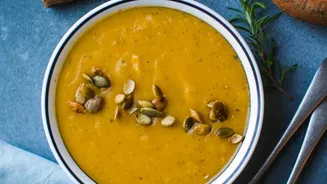
How they behave when cooked is where the choice becomes critical. Sweet potatoes are starchy and dense. When roasted, they become creamy and fluffy, and their edges caramelize beautifully, making them ideal for fries, wedges, and gratins where holding their shape is key. Butternut squash has a higher water content. This makes it less starchy and more prone to becoming silky and smooth when cooked, which is why it excels in puréed soups and sauces. When roasted, it softens more than a sweet potato and can become watery if overcrowded in the pan.
Flavor: Sweet vs. Nutty
While both are sweet, the nature of their sweetness differs. The sweet potato lives up to its name with a pronounced, earthy sweetness. Butternut squash offers a milder, more delicate sweetness with distinctly nutty undertones. Some even find it a bit flavorless when simply boiled, which is why roasting is often the preferred method to concentrate its sugars and bring out its flavor. For dishes where you want a bold, sweet anchor, the sweet potato is your best bet. For a more savory, nutty, and subtle base, reach for the squash.
When to Roast, Mash, or Purée
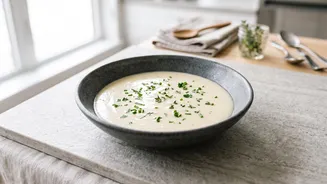
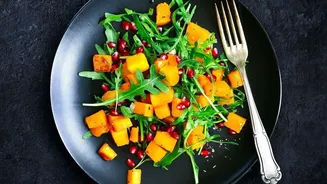
For roasting, both are excellent, but they require slightly different handling. To get them both perfectly tender and caramelized in the same pan, it helps to cut the denser butternut squash pieces slightly smaller than the sweet potato chunks. For mashing, sweet potatoes yield a fluffier, more substantial mash, while butternut squash creates a wetter, smoother purée. This makes sweet potato a better direct substitute for regular mashed potatoes, whereas butternut squash is the star of creamy, blended soups where its silky texture is a major asset.
Can You Substitute One for the Other?
In many cases, yes, but with adjustments. In puréed soups, stews, and mashes, they can often be swapped, though a sweet potato will produce a thicker, sweeter result. For roasting, they are largely interchangeable if you mind the size difference during prep. However, for recipes like fries or wedges that require crispness, stick with the starchy sweet potato; the high water content in butternut squash prevents it from getting truly crispy. In baking, both can be used as a purée, but the wetter squash may require you to reduce other liquids in the recipe slightly.