





The Great Monsoon Escape
July and August are traditionally seen as the peak of India's rainy season. However, in the trans-Himalayan regions of Ladakh and Spiti Valley in Himachal Pradesh, these months translate to peak tourist season. This seeming contradiction is attracting
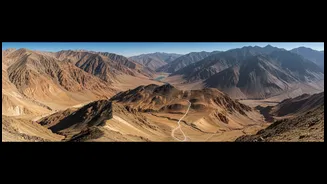
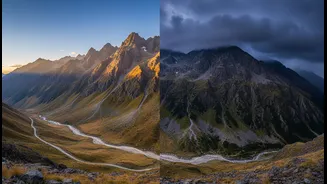
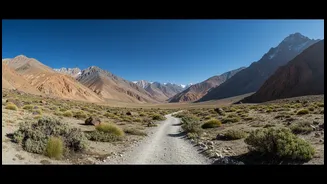
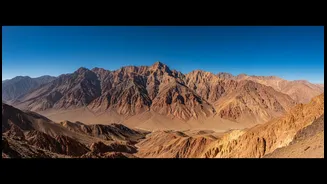
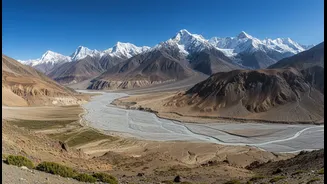
a wave of travellers seeking adventure without the inconvenience of incessant rain. While popular destinations in the Western Ghats or lower Himalayas grapple with heavy showers, landslides, and humidity, Ladakh and Spiti offer a different picture: bright sunshine, clear blue skies, and accessible roads. Reports from the first half of 2026 already show a significant surge in tourist arrivals to Ladakh, with officials attributing the boom to better connectivity and promotion efforts.
The Science Behind the Sunshine
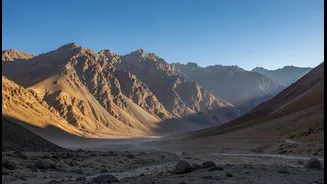
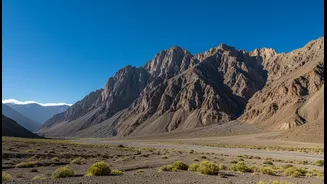
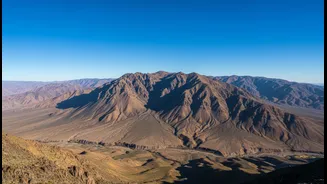
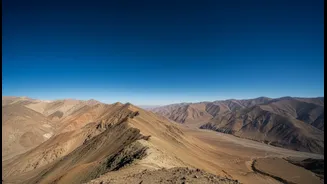
The magic behind this dry spell is a geographical phenomenon known as the 'rain shadow effect'. The towering Great Himalayan range acts as a massive barrier, forcing the moisture-laden monsoon clouds coming from the southwest to rise. As the clouds ascend, they cool and release all their rain on the southern slopes, in places like Manali and Shimla. By the time the clouds cross over the high passes into Ladakh and Spiti, they have little to no moisture left, resulting in an arid, desert-like climate. These regions receive less than 200 mm of rainfall annually, less than what Mumbai might get in a single heavy spell.
Ladakh: Land of High Passes and Blue Lakes
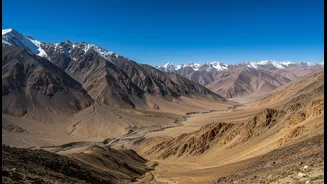
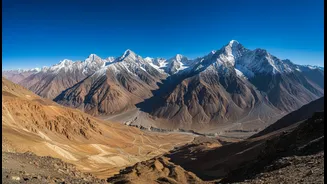
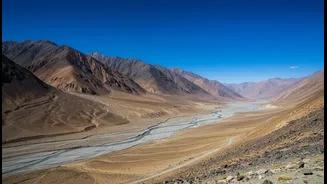
For many, Ladakh is the ultimate monsoon destination. July is considered an ideal time to visit, as all major road routes, including the Srinagar-Leh and Manali-Leh highways, are fully operational. Daytime temperatures are pleasant, averaging around 21°C, making it perfect for exploring the region's dramatic landscapes. This is the time to ride through the Nubra Valley, marvel at the surreal Pangong Tso, and visit ancient monasteries perched on stark hillsides without the worry of rain. The accessibility and relatively stable weather have made it a favourite for bikers, families, and adventure seekers alike.
Spiti: A Quieter, Rugged Alternative
For those seeking a more rugged and remote experience, Spiti Valley is a compelling alternative. Though the approach roads via Shimla or Manali might see some monsoon activity, Spiti itself remains largely dry. July is one of the best months to visit, with daytime temperatures in Kaza hovering between 20°C and 25°C. This season offers a unique visual contrast: the barren brown mountains are occasionally dotted with patches of green from irrigation, creating a stunning palette. It's the perfect time to visit iconic sites like the Key Monastery, send a postcard from the world's highest post office in Hikkim, and trek to the stunning Chandratal Lake.
Planning Your High-Altitude Journey
While the weather is welcoming, a trip to these high-altitude deserts requires careful planning. Acclimatisation is crucial to avoid altitude sickness; experts often recommend the gentler ascent via the Shimla route to Spiti. Roads in the mountains can be unpredictable. While both routes to Ladakh and Spiti are generally open in July, it's wise to keep a few buffer days in your itinerary for any unexpected closures due to landslides on the approach sections. Carry cash, as digital payments are unreliable in remote areas. Also, pack in layers—the sun is harsh during the day, but temperatures drop significantly at night.