

The Search for Serenity and Spirituality
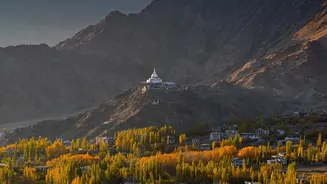
A significant trend shaping travel is the profound interest in spiritual and wellness tourism. It's no longer just about visiting religious sites; it’s about finding mental peace and personal growth. Recent reports highlight a surge in travel to spiritual centres
like Varanasi, Rishikesh, Amritsar, and Ayodhya. This trend is notably driven by younger travellers, with Gen Z now accounting for over half of bookings to many spiritual destinations. The motivation extends beyond religion, encompassing a desire to connect with Indian culture, heritage, and wellness practices like yoga and meditation. Destinations offering tranquility, such as Rishikesh, have seen a massive 200% year-on-year increase in search traffic, indicating a clear shift towards experience-led journeys.
The Rise of 'Bleisure' and Workations
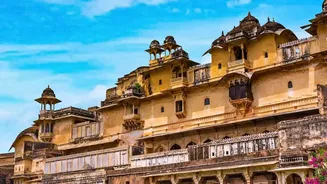
The line between work and leisure is blurring, giving rise to 'bleisure'—the practice of blending business trips with leisure activities. India is at the forefront of this global trend, with 77% of Indian business travellers extending their work trips for personal time, the highest rate in the Asia-Pacific region. The rise of remote and flexible work models has also fueled the popularity of 'workations', where professionals relocate temporarily to scenic destinations without taking time off. Popular business hubs like Bengaluru and Hyderabad are now common launchpads for quick getaways to nearby leisure spots like Coorg and Hampi. Meanwhile, destinations like Goa, Udaipur, and the Nilgiris are positioning themselves as ideal workation spots, offering robust connectivity in serene settings.
Offbeat is the New Mainstream
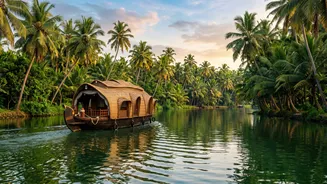
Travellers are increasingly moving beyond tried-and-tested circuits in favour of lesser-known destinations for more authentic experiences. September is the perfect month for this, offering lush, green landscapes and fewer crowds. The focus is on discovery, from the blooming wildflowers on Maharashtra's Kaas Plateau to the cultural immersion of the Ziro Festival in Arunachal Pradesh. This desire for unique experiences is also driving 'slow travel', where people spend longer in one place to connect with it deeply. Destinations like Jorhat in Assam and the backwaters of Kerala are seeing a spike in interest from travellers looking to escape the rush. The trend is clear: the goal is no longer just to see a place, but to experience it.
Sustainable and Conscious Travel
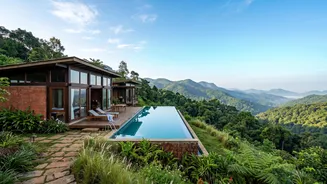
Environmental and social consciousness is increasingly influencing travel decisions. A staggering 88% of Indian travellers now consider sustainability an important factor when planning their trips. This translates into a preference for eco-lodges, rural homestays, and responsible wildlife tourism that supports local economies and preserves fragile ecosystems. More than half of travellers believe the biggest benefit of this approach is the economic growth it brings to local communities. Government initiatives like the Swadesh Darshan 2.0 scheme are also helping by developing sustainable nature trails. This trend reflects a deeper understanding that travel should be regenerative, not extractive, leaving a positive impact on the destinations visited.
The Appeal of Post-Monsoon Landscapes
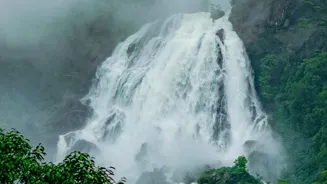
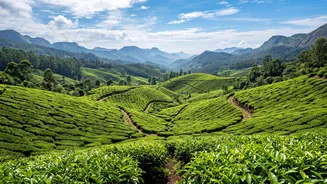
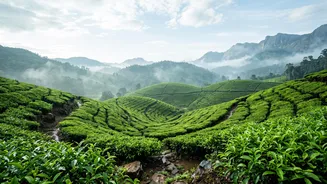
September offers a unique travel window that many are now embracing. As the heavy rains subside, the country is draped in a vibrant green, with waterfalls at their fullest and air that feels fresh and clean. Hill stations like Munnar in Kerala, Coorg in Karnataka, and Ooty in Tamil Nadu are particularly stunning during this period. It's also an ideal time for nature lovers, with opportunities for birdwatching in places like Kabini or witnessing the rare mass flowering at the Kaas Plateau. This shoulder season also brings practical benefits, including lower prices for flights and hotels and significantly smaller crowds at popular spots, making for a more peaceful and rewarding travel experience.