




The Trouble with Polished White Rice
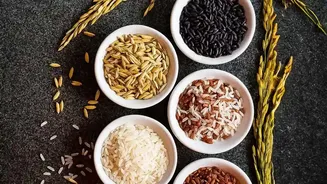
Polished white rice, a fixture in countless meals, is a simple carbohydrate that offers quick energy. However, the polishing process that gives it a soft texture also strips away its most valuable nutrients, including the bran and germ. What's left is mostly
starch with very little dietary fibre. This low fibre content means it does little to feed the beneficial bacteria in your gut. Furthermore, white rice has a high glycemic index (GI) of around 73, which can cause rapid spikes in blood sugar, followed by a crash that can leave you feeling tired and hungry again soon after a meal. A diet dominated by such refined grains is often linked to poor digestive health and constipation.
Meet the Millets: Foxtail and Sorghum
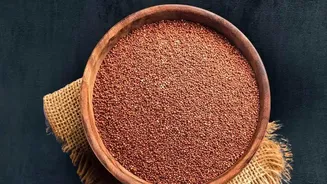
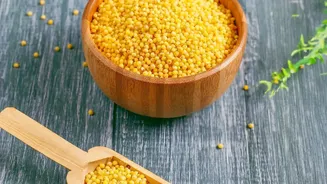
Foxtail millet (known as Kangni or Thinai) and sorghum (Jowar) are ancient, nutrient-dense grains that were staples in India long before rice and wheat became dominant. These hardy crops are naturally gluten-free and packed with nutrients. Foxtail millet is rich in protein, dietary fibre, and essential minerals like iron and magnesium. Sorghum is also a nutritional powerhouse, offering significant amounts of protein, fibre, and antioxidants. Unlike polished rice, these millets are whole grains that retain their nutrient-rich outer layers, making them an excellent choice for anyone looking to boost their diet's nutritional value.
The Gut Health Game-Changer: Fibre
The single biggest advantage millets have over white rice is their fibre content. Foxtail millet contains about 8 grams of fibre per 100g, while sorghum provides around 7 grams. In stark contrast, polished white rice contains a mere 0.2g of fibre. This dietary fibre is crucial for gut health. Millets are rich in both soluble and insoluble fibre, which aids digestion and promotes regular bowel movements. More importantly, the fibre in millets acts as a prebiotic, which is essentially food for the beneficial bacteria in your gut, like Bifidobacterium and Lactobacillus. A well-fed microbiome helps improve digestion, strengthen the immune system, and reduce inflammation.
Beyond the Gut: More Reasons to Make the Switch
The benefits of foxtail and sorghum millets extend well beyond digestion. Their low glycemic index (around 50-62) means they release sugar into the bloodstream slowly, preventing the sharp spikes associated with white rice. This provides sustained energy and makes them an excellent choice for managing blood sugar levels. Millets are also significantly richer in minerals. For example, foxtail millet has about three times more calcium than white rice, while both foxtail and sorghum are excellent sources of iron and magnesium, which are vital for bone health and preventing anaemia. Being naturally gluten-free, they are also a safe and healthy option for individuals with celiac disease or gluten sensitivity.
How to Easily Incorporate Millets into Your Diet
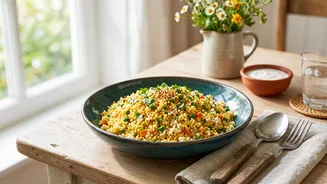
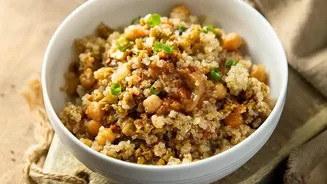
Making the switch from rice to millets is easier than you might think. The key is to soak them for at least 6-8 hours before cooking, which helps reduce anti-nutrients and makes them easier to digest. You can cook both foxtail and sorghum millets just like rice, using a 1:2 ratio of millet to water. Start by replacing rice with foxtail millet in dishes like pulao, khichdi, or lemon rice. Its texture is quite similar to rice, making it an easy first step. Sorghum can be ground into flour to make nutritious rotis, or the whole grain can be used in salads and porridges. You can even find creative recipes for millet-based dosas, idlis, and upma. Start by swapping out one rice meal a week and gradually increase from there.