




What is a Strong El Niño?
First, let's break down the term. El Niño is a natural climate phenomenon where the sea surface temperatures in the central and eastern Pacific Ocean become significantly warmer than average. A 'strong' or 'very strong' event, sometimes dubbed a 'super'
El Niño, occurs when these temperatures rise by 1.5°C to over 2.0°C above normal. This isn't just a local event in the Pacific; this massive release of heat into the atmosphere disrupts global weather patterns. It weakens the easterly trade winds that are connected to the monsoon system, effectively dampening the engine that drives rainfall across the Indian subcontinent.
The Critical Monsoon Connection
India's fate is intrinsically linked to the performance of the southwest monsoon, which typically runs from June to September. This season delivers over 70% of the country's annual rainfall, making it the lifeblood of its agricultural economy. Historically, El Niño years have a strong correlation with deficient monsoons in India. A weaker monsoon means less rainfall, which directly translates to lower crop yields, especially in rain-fed agricultural zones that lack access to irrigation and constitute about 40% of India's food production. With forecasts in 2026 already pointing towards below-average rainfall due to a strengthening El Niño, the risk to the Kharif (monsoon crop) season is significant.
Threats to Food Security
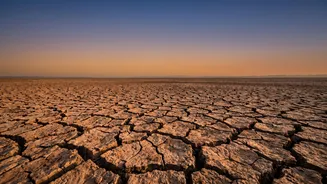
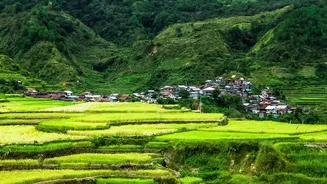
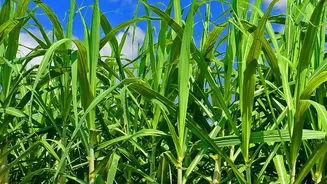
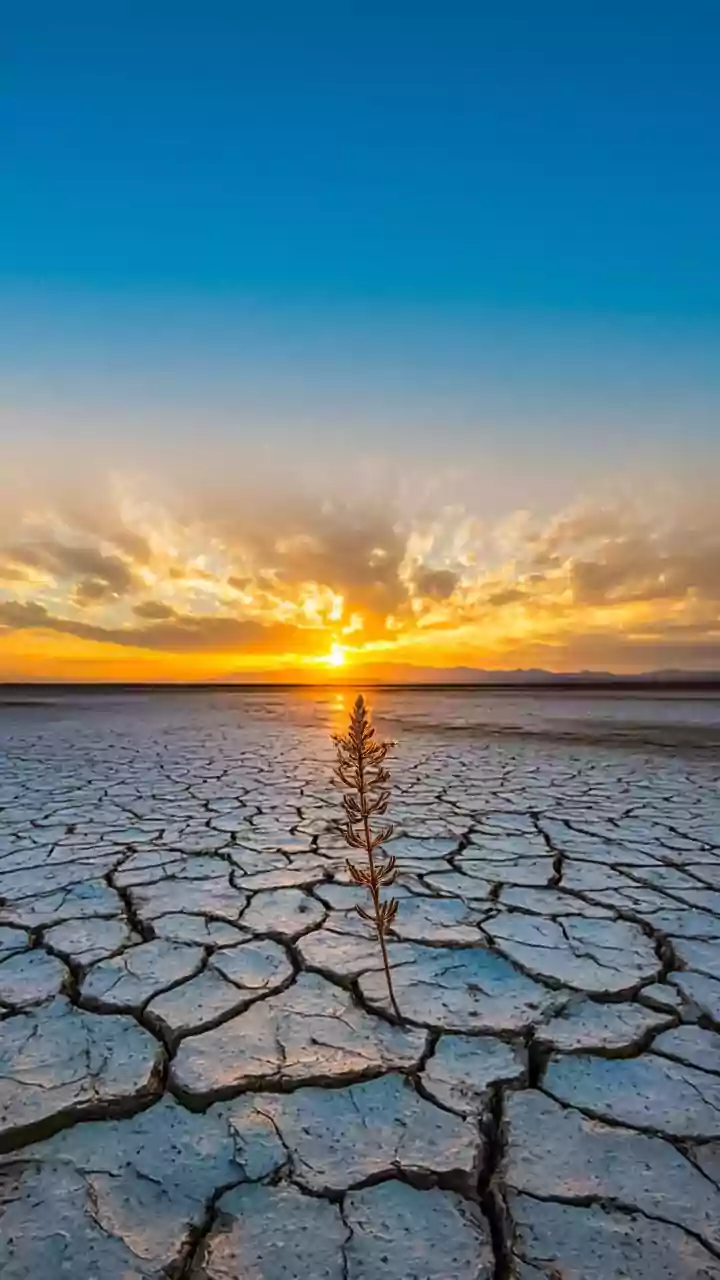
A drought-like situation across large parts of the country poses a direct threat to staple crops like rice, maize, pulses, and sugarcane. Reduced production not only jeopardises the livelihoods of millions of farmers but also stokes food inflation, impacting household budgets nationwide. Past El Niño years have seen food grain production decline by an average of 8-12%, with rain-fed areas experiencing even steeper drops. The government's primary defence is its massive buffer stock of food grains, managed by the Food Corporation of India. These reserves can be released through the Public Distribution System (PDS) to stabilise prices and ensure availability. However, a prolonged period of low output could strain even these substantial reserves.
A Nationwide Water Stress Test
Beyond agriculture, a weak monsoon places immense pressure on India's water resources. The country already faces significant water stress, with per capita availability projected to fall further in the coming decades. A deficient monsoon means reservoirs do not fill to capacity, groundwater levels are not adequately recharged, and urban and rural areas alike face the prospect of water shortages. Many cities like Bengaluru and Chennai have previously experienced 'Day Zero' scenarios, and a poor monsoon could exacerbate these vulnerabilities. This puts a strain on everything from drinking water supply to industrial operations and power generation.
India's Defence Mechanisms
While the challenge is immense, India is not starting from scratch. National and state governments have rolled out multi-pronged strategies to mitigate the impact. These include preparing district-specific contingency plans, promoting the cultivation of drought-tolerant crops like millets and short-duration pulses, and enhancing water conservation efforts through schemes like MGNREGA. Authorities are working to ensure the availability of seeds for re-sowing if early crops fail and are monitoring water levels in major reservoirs. Furthermore, there is a push to improve irrigation efficiency with technologies like drip and sprinkler systems to ensure 'more crop per drop'. The effectiveness of these measures will be crucial in determining how well the country weathers the storm.